Xanthe Somers and Yacout Hamdouch: Poetic Threads
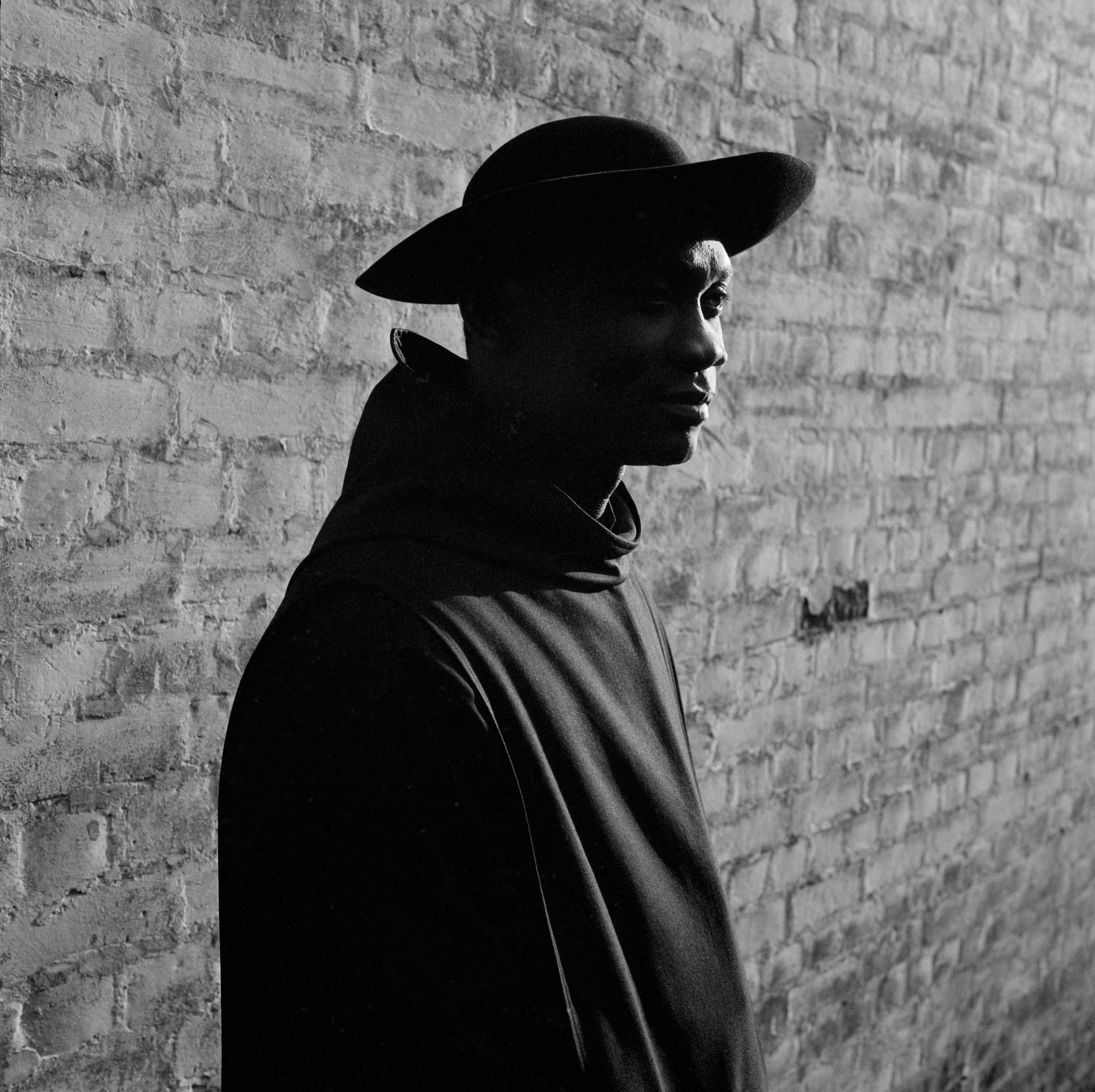
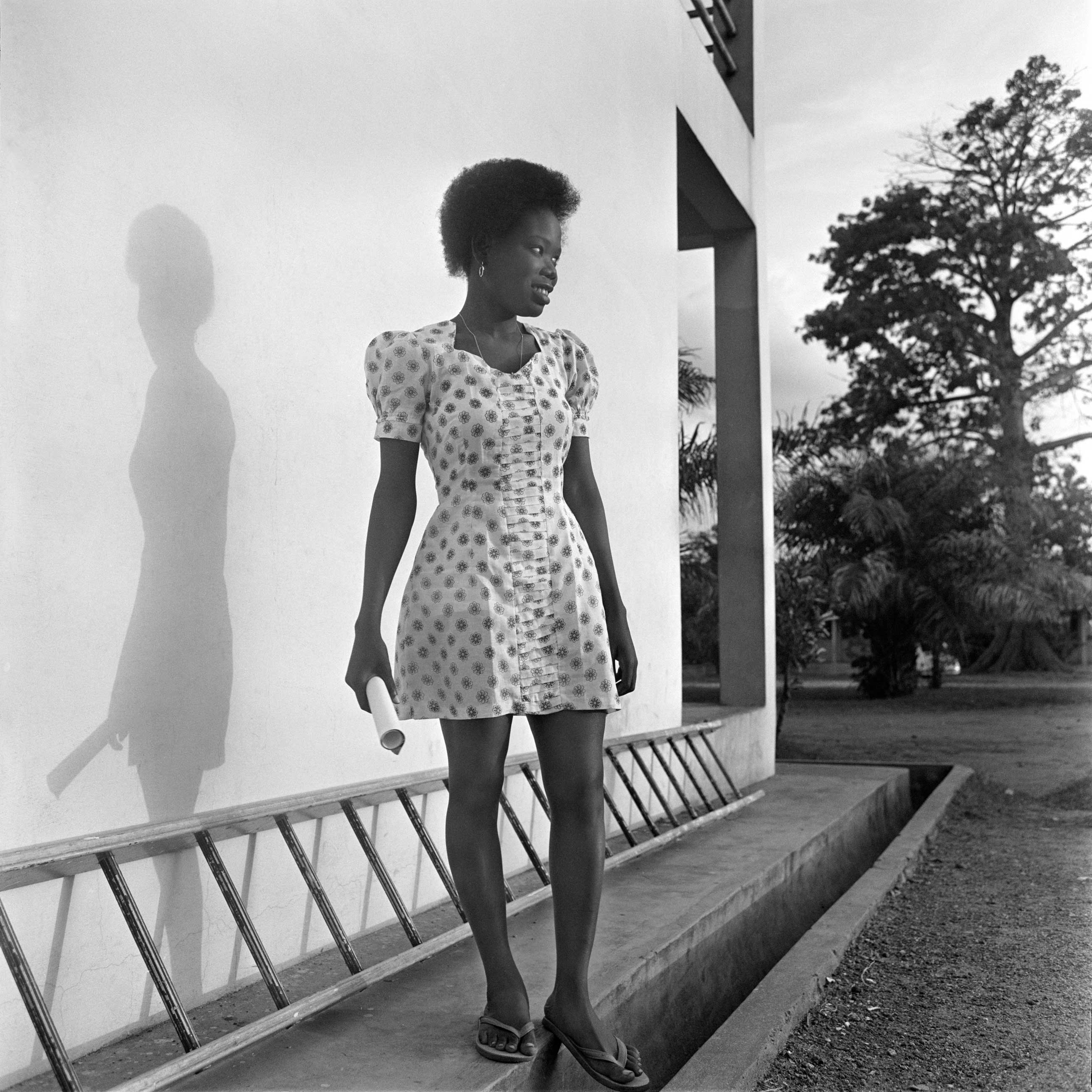
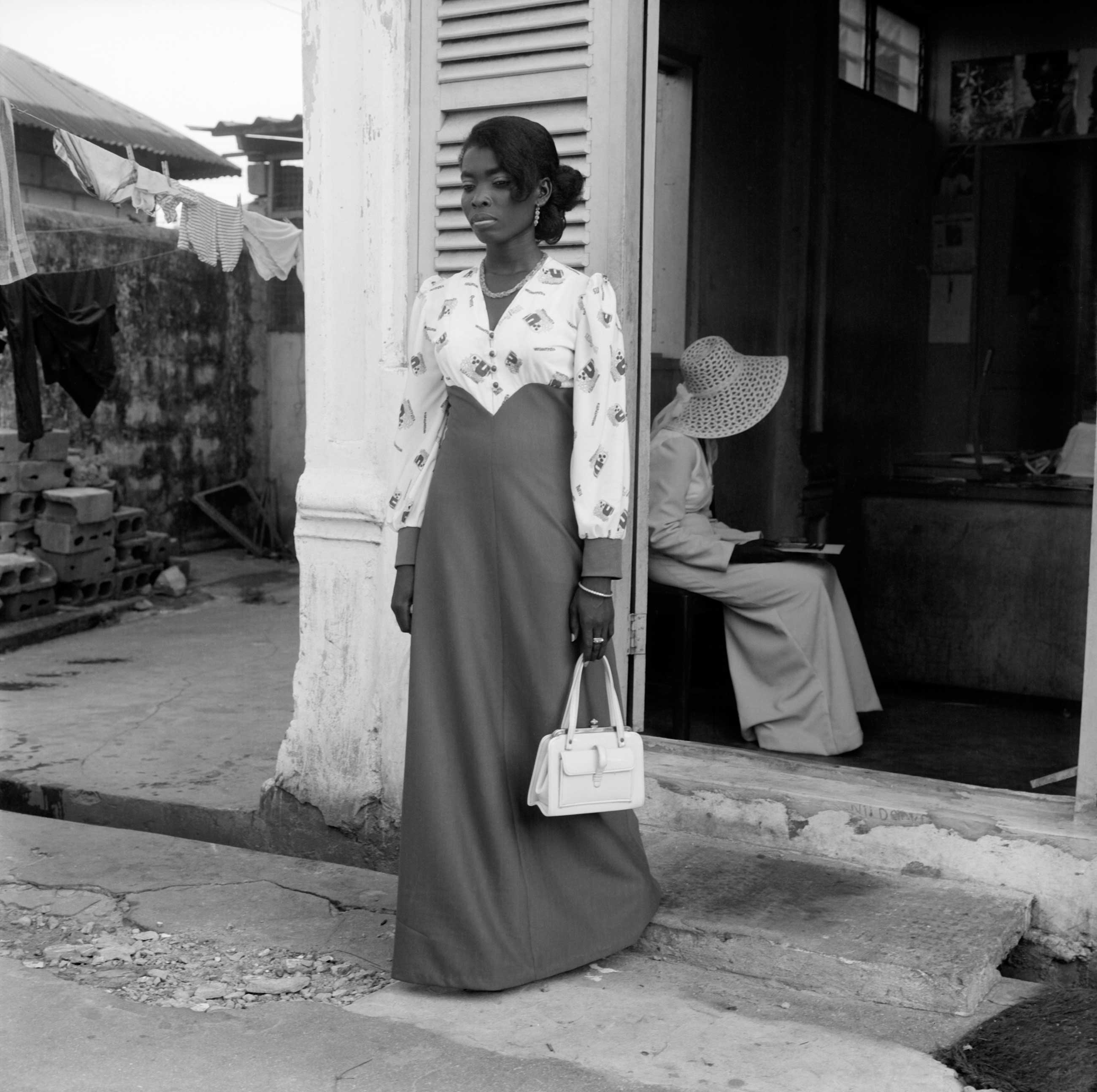
Spotlight: James Barnor
2nd July - 15th August 2026

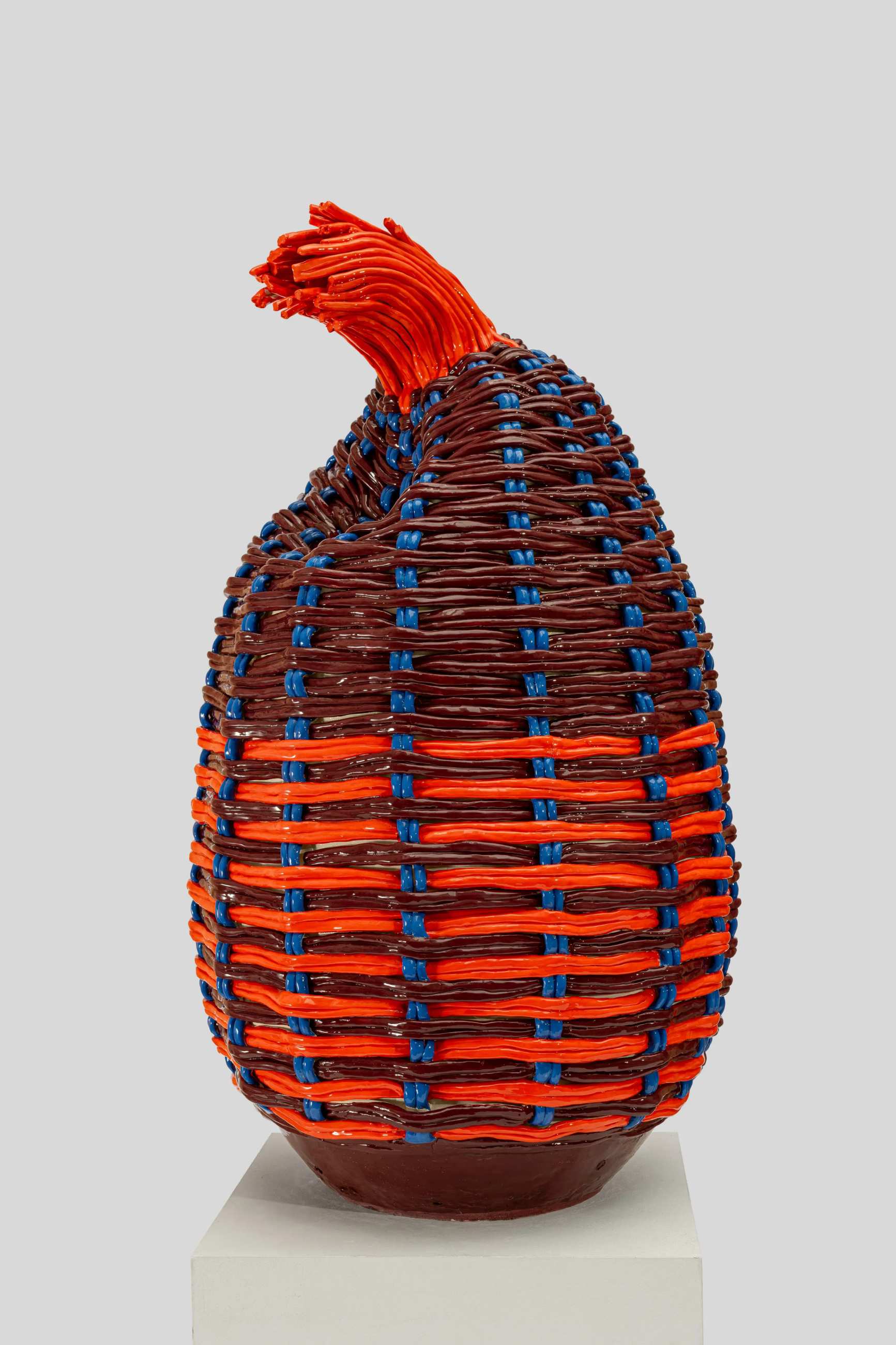
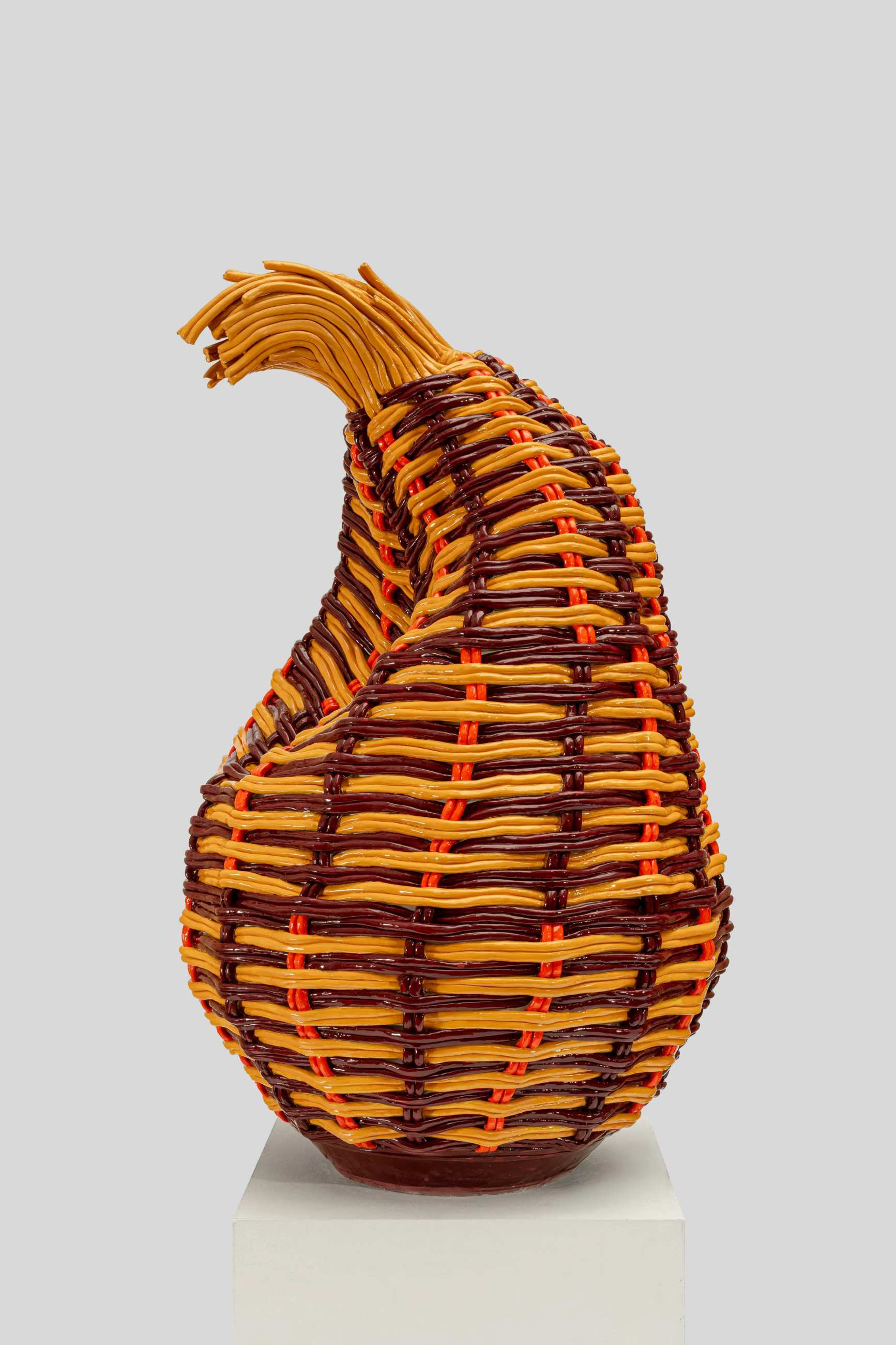
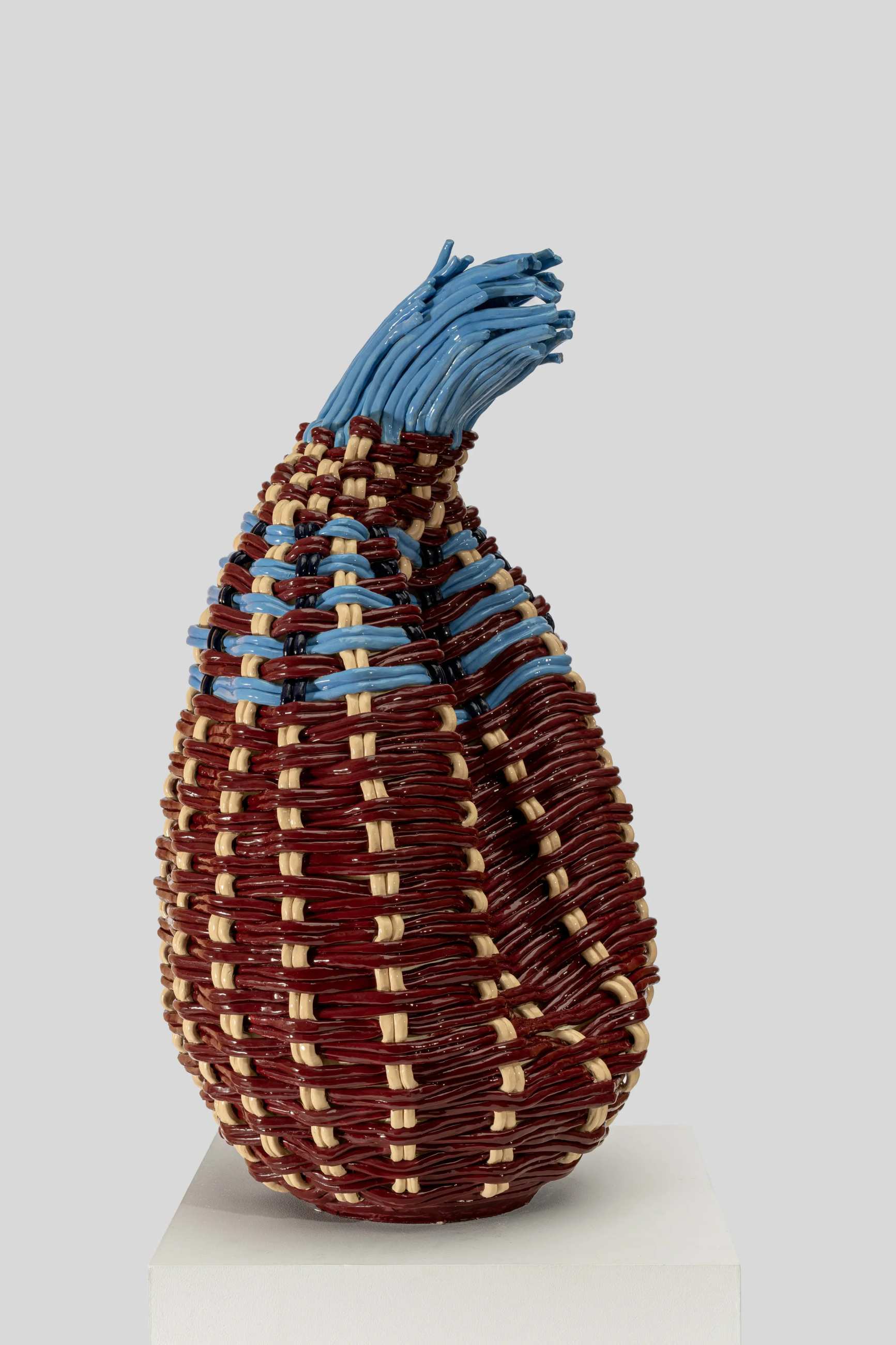
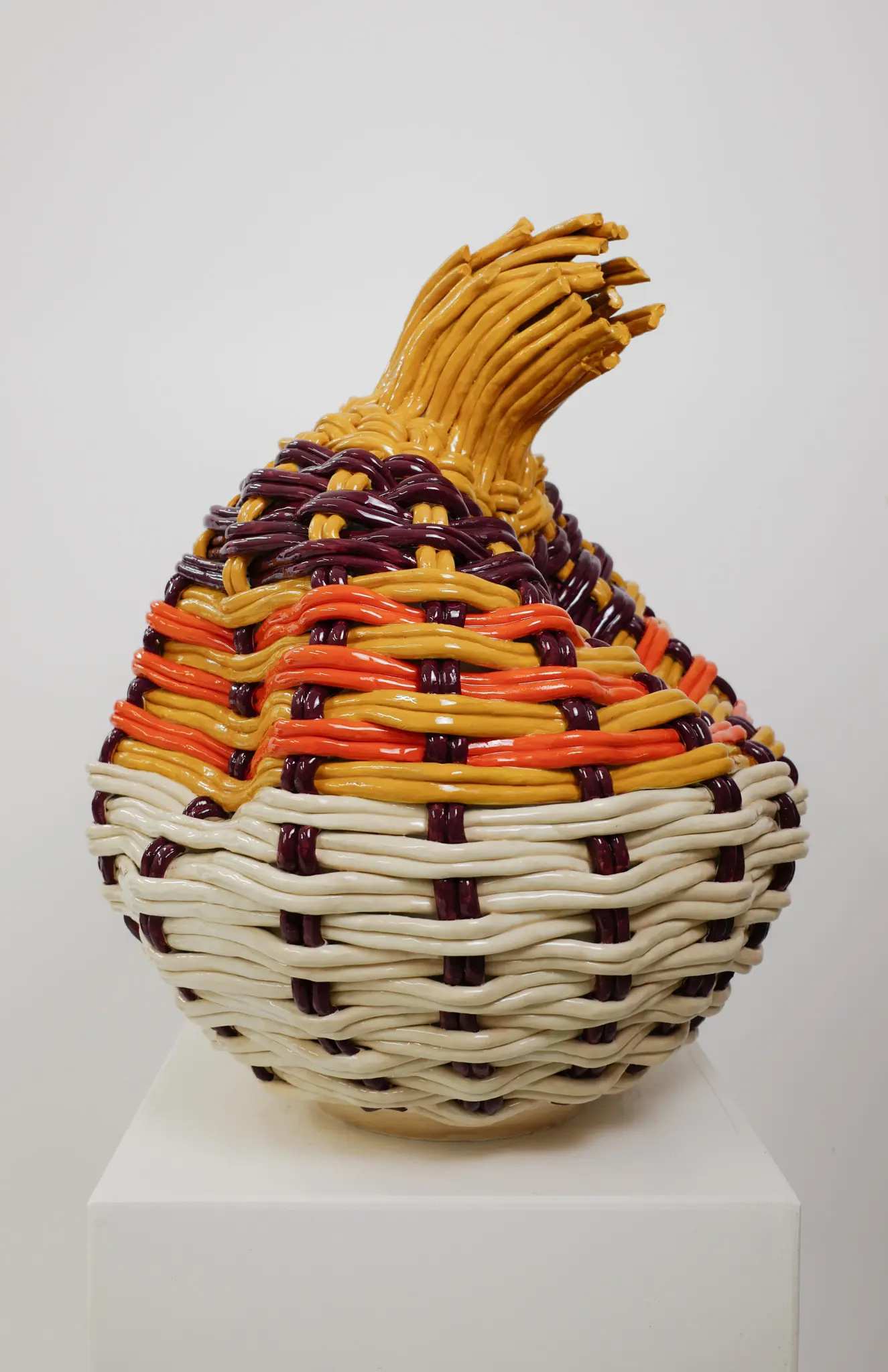
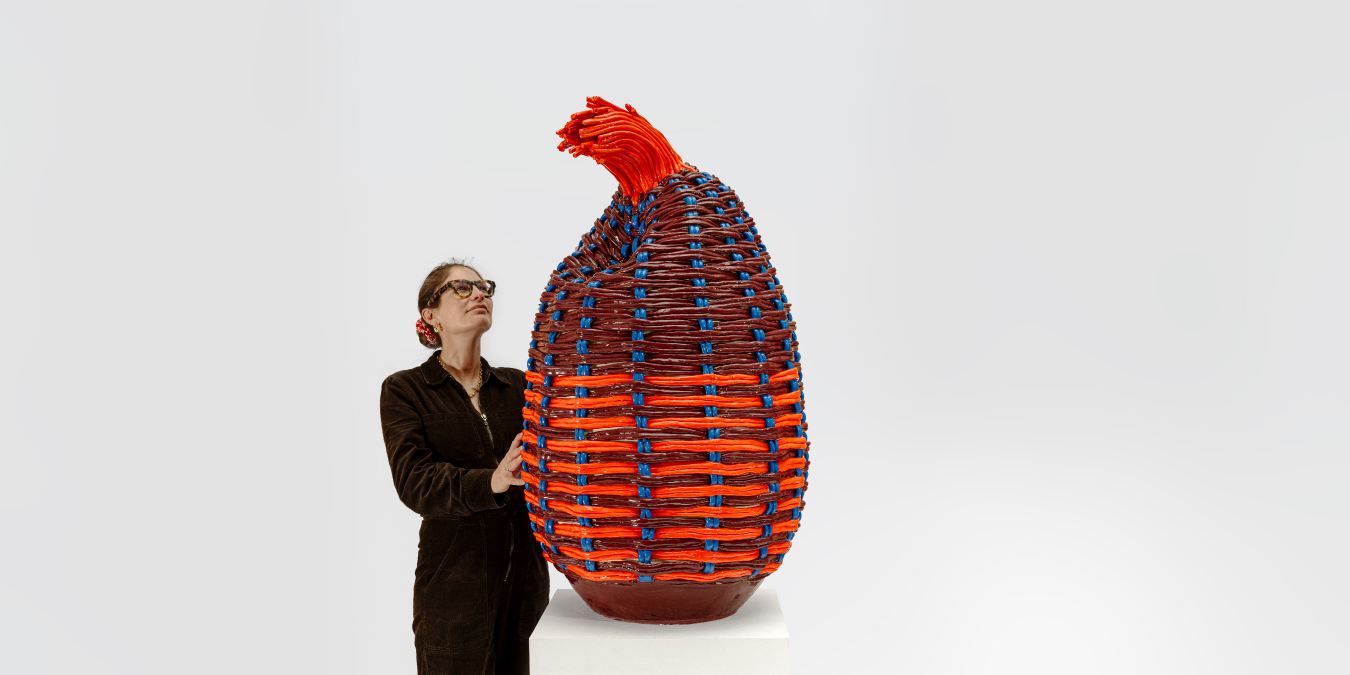
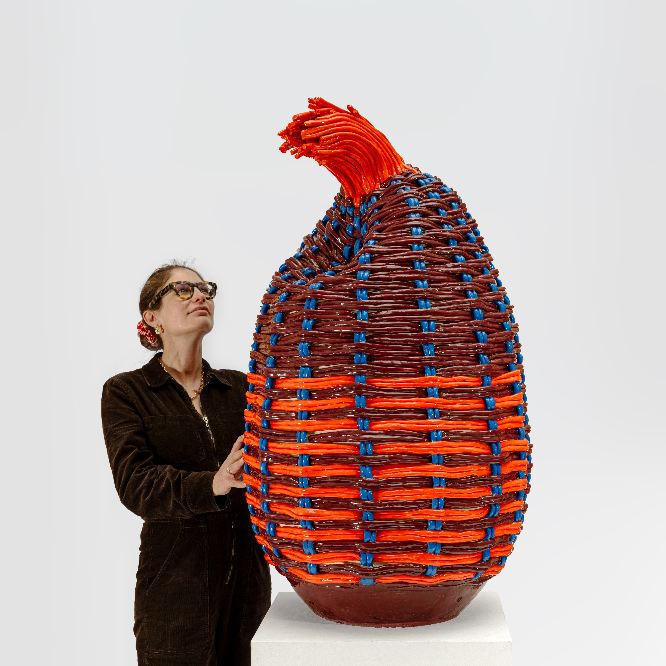
Glazed stoneware, 110 x 60 x 60 cm.

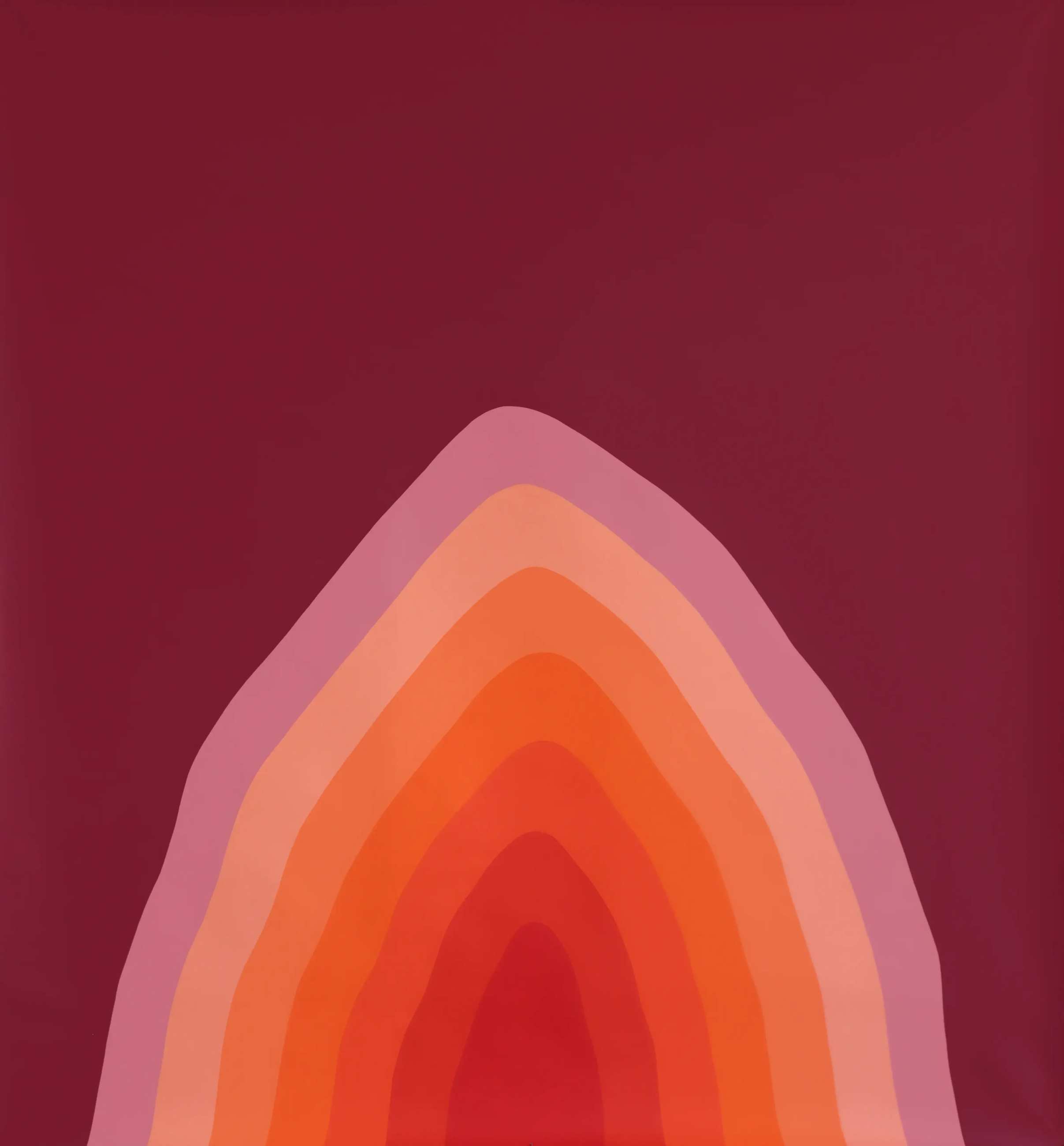
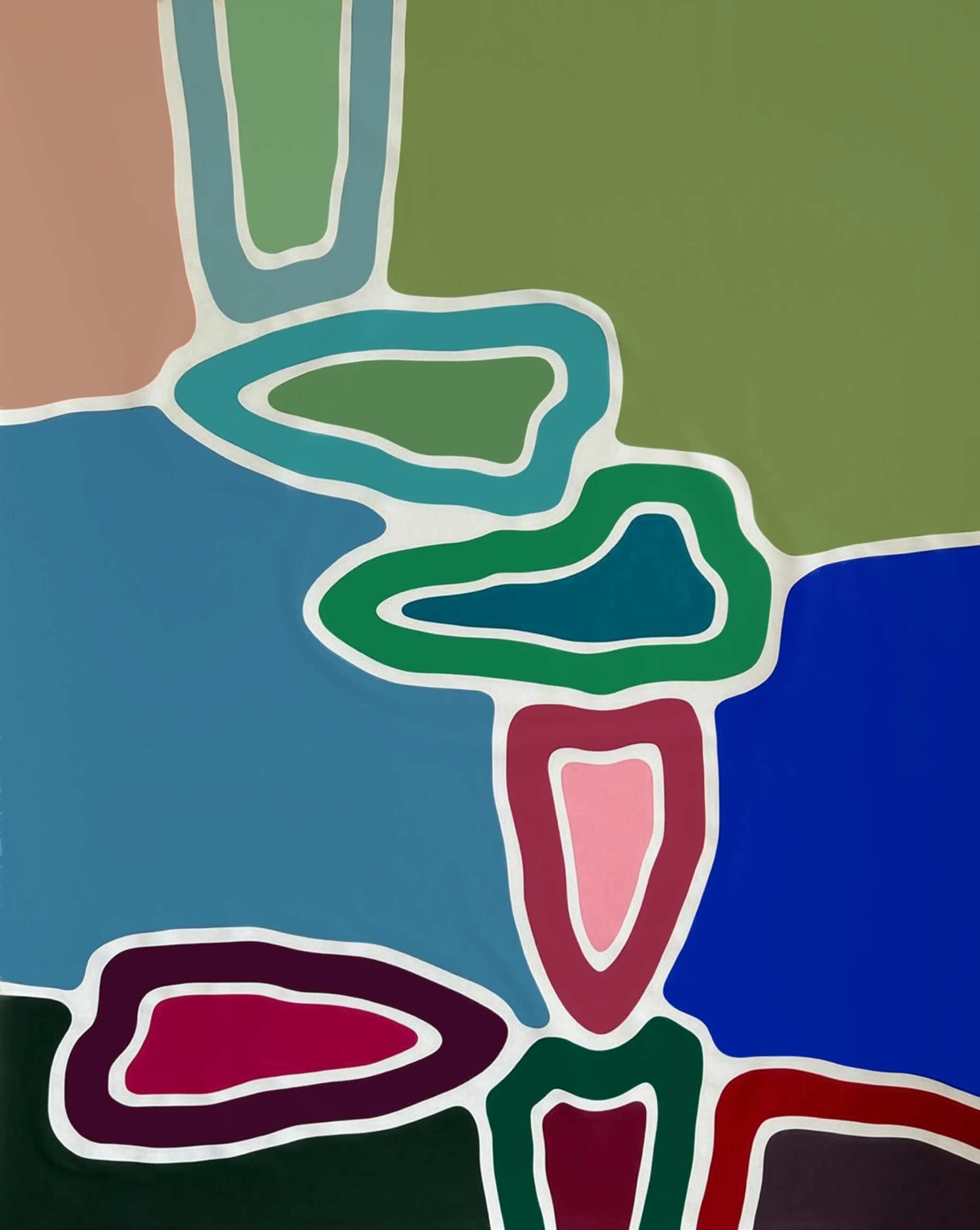
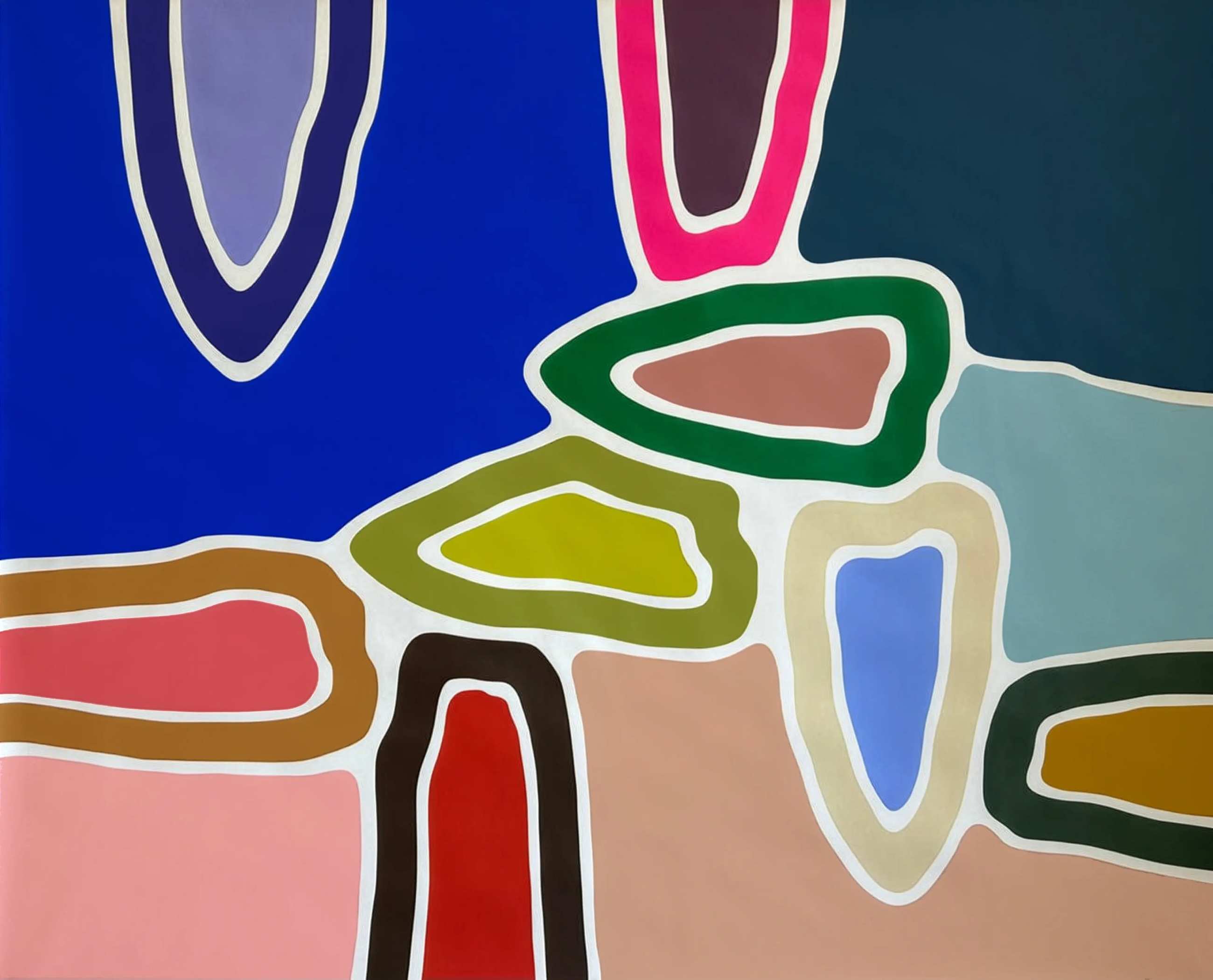
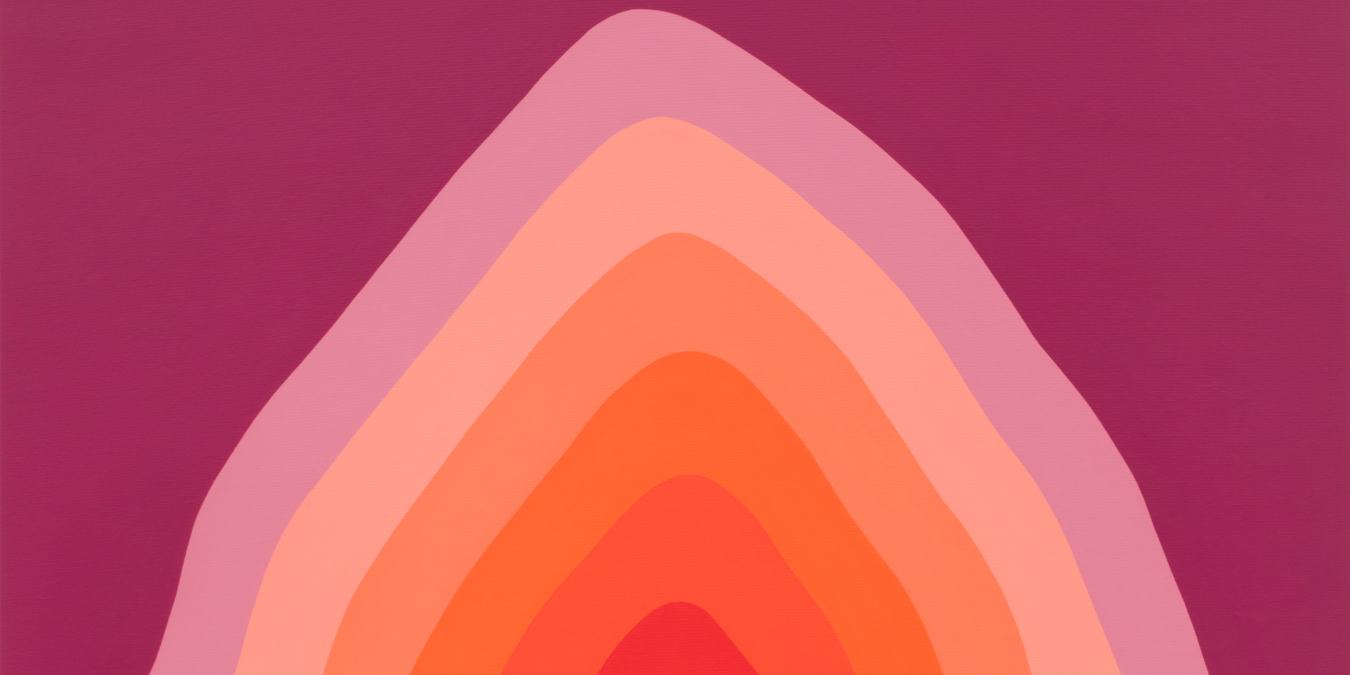
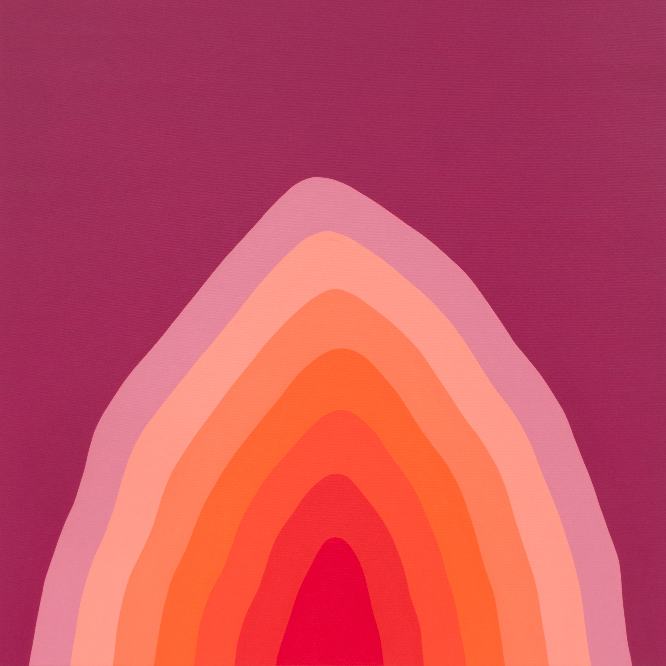
Acrylic on canvas, 100 x 110 cm.
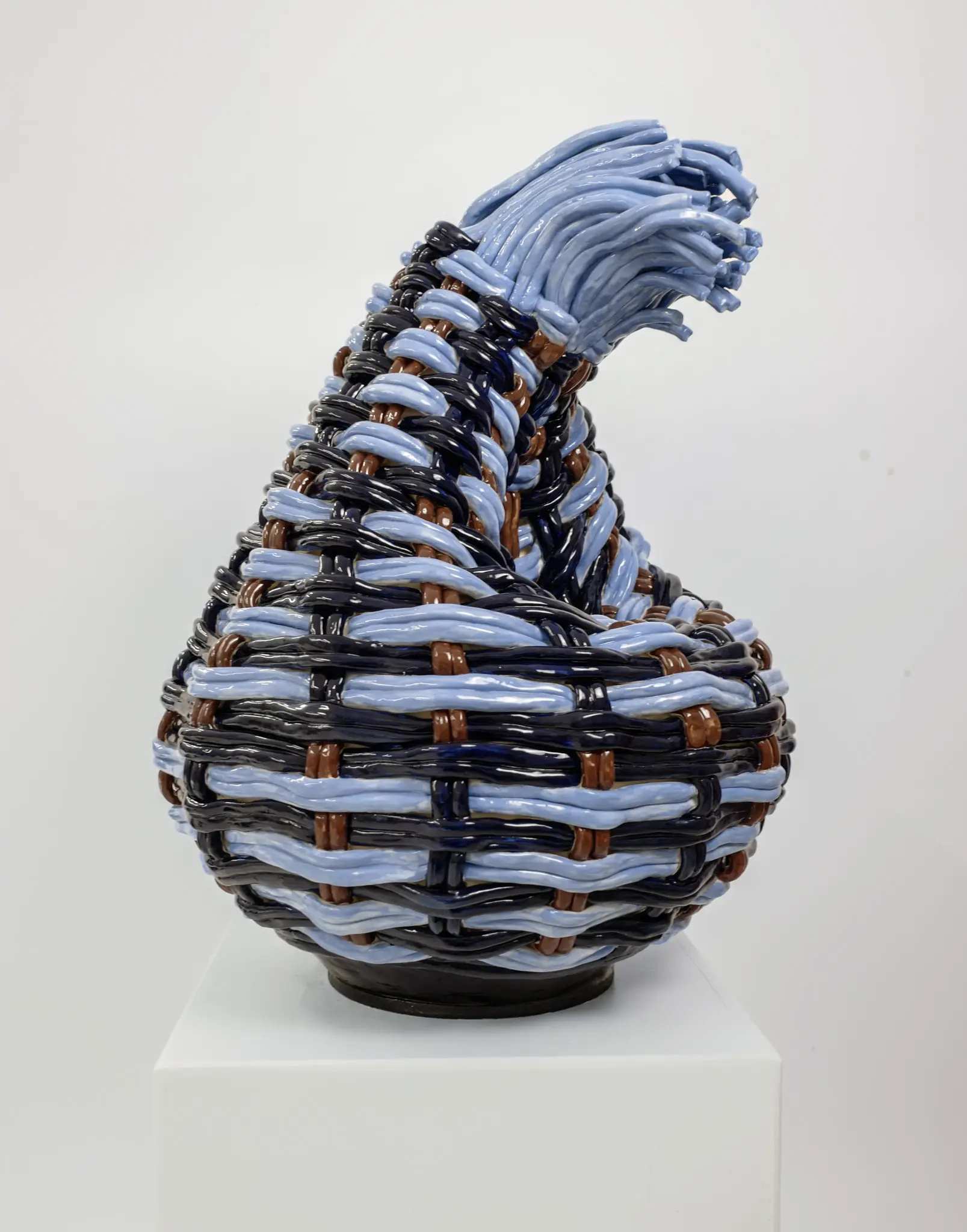
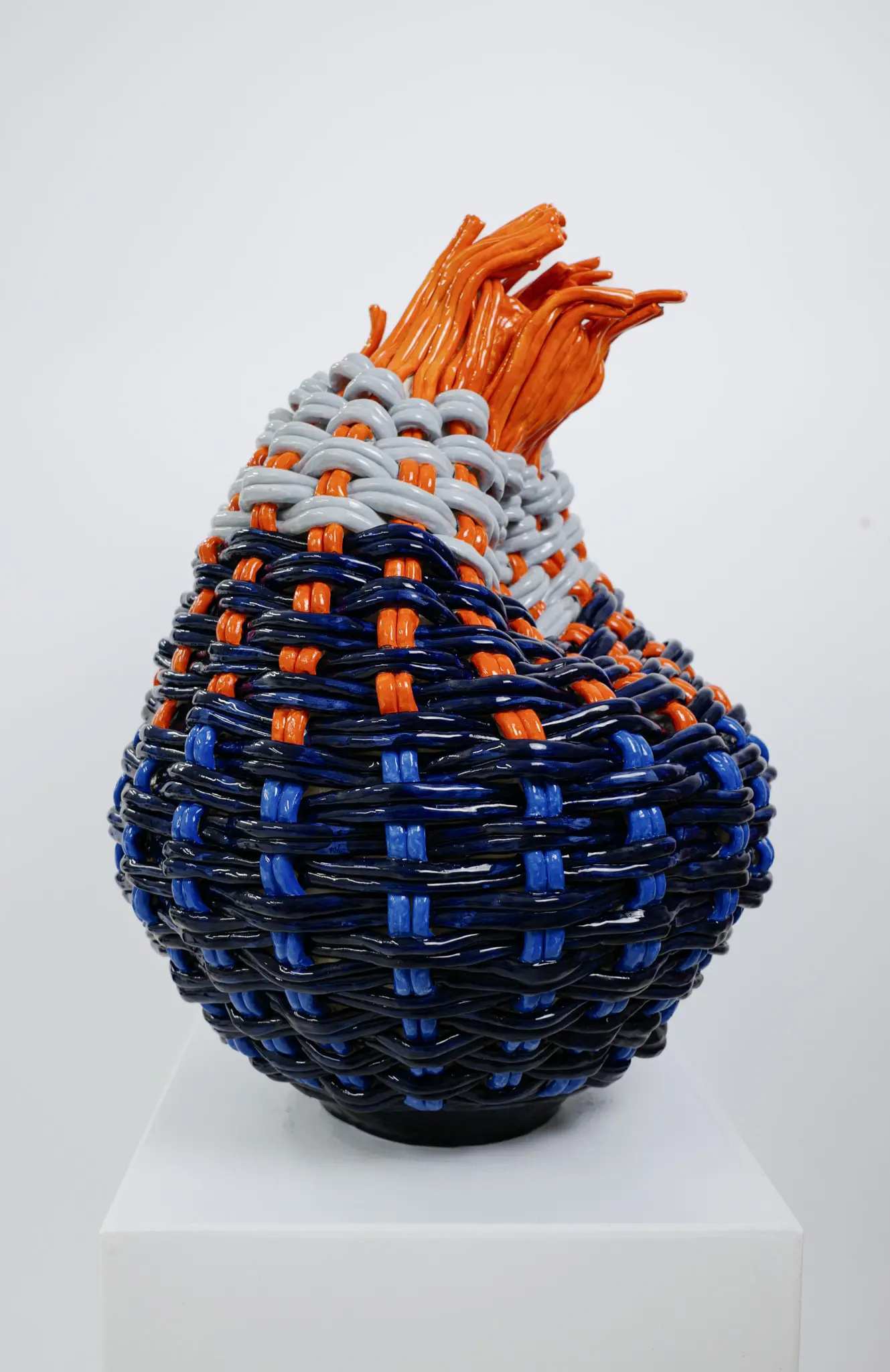
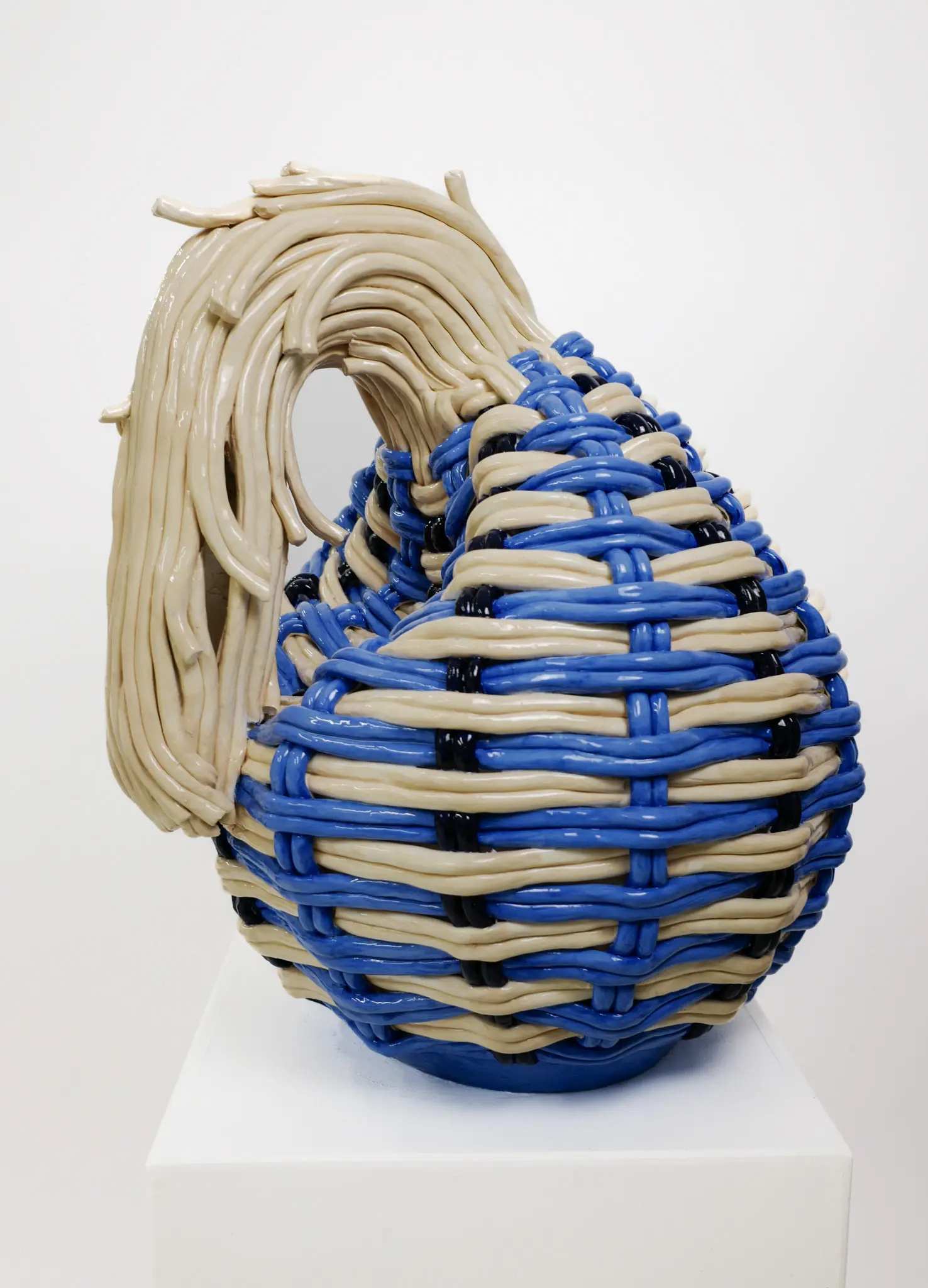
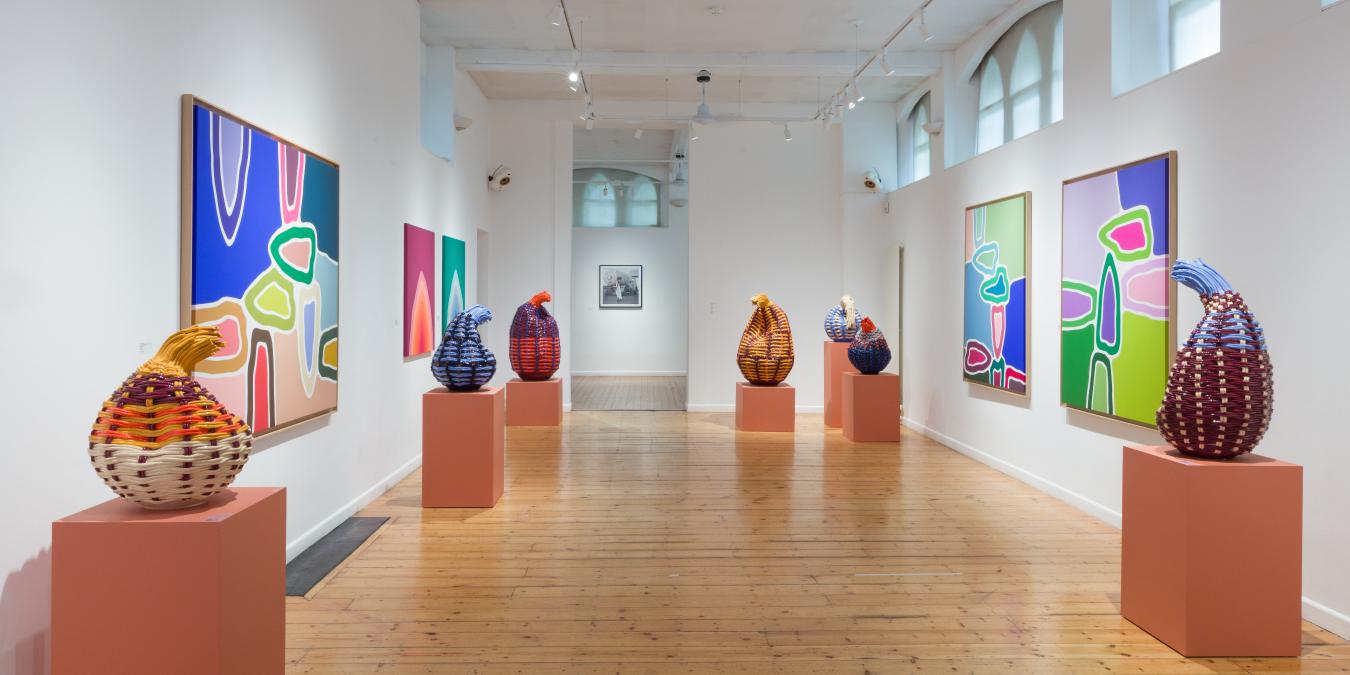
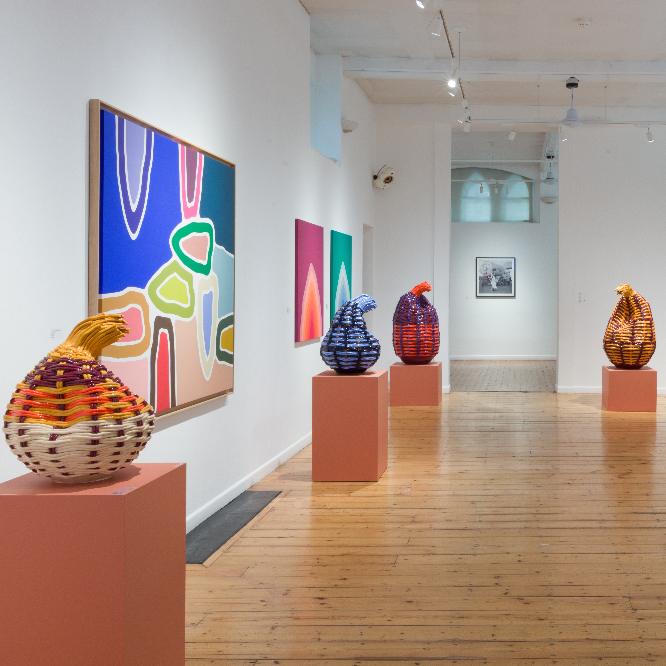
Informed by postcolonial insights, Somers introduces a new series, Carer, Cleaner, Mother, Maker, as she continues to explore her underlying themes: the work of women, the exploitation of cheap labour and the impact of eco-racist practices throughout the Global South. Her practice is situated within the political and historical context of an area in Zimbabwe deeply affected by the colonial construction of the dam that created the world’s largest artificial lake, Lake Kariba.
Somers weaves together three age-old disciplines - clay pottery, basket-making and textiles – to create a novel visual language. Each of these distinct traditions has long served as a powerful medium for storytelling. Yet, despite being shaped and refined by generations of women, the stories they carry have too often been overlooked. In these new works, Somers not only reimagines these crafts but also amplifies the voices and narratives woven within them. Inspired by weaving in Zimbabwe, her telling forms are hand-coiled then disrupted by puncturing and deforming, before she revitalises them through the addition of meticulously painted details. She comments, ‘I think weaving in general is a visceral way to speak about the domestic. These vessels while referencing grass basketry, also depict blankets, kitchen cloths and other humble textiles that quietly signal care within the home. Weaving becomes a wider metaphor for social cohesion, or lack thereof. While this tension is acutely felt in Zimbabwe, it resonates globally, where women’s work continues to be systematically undervalued.’
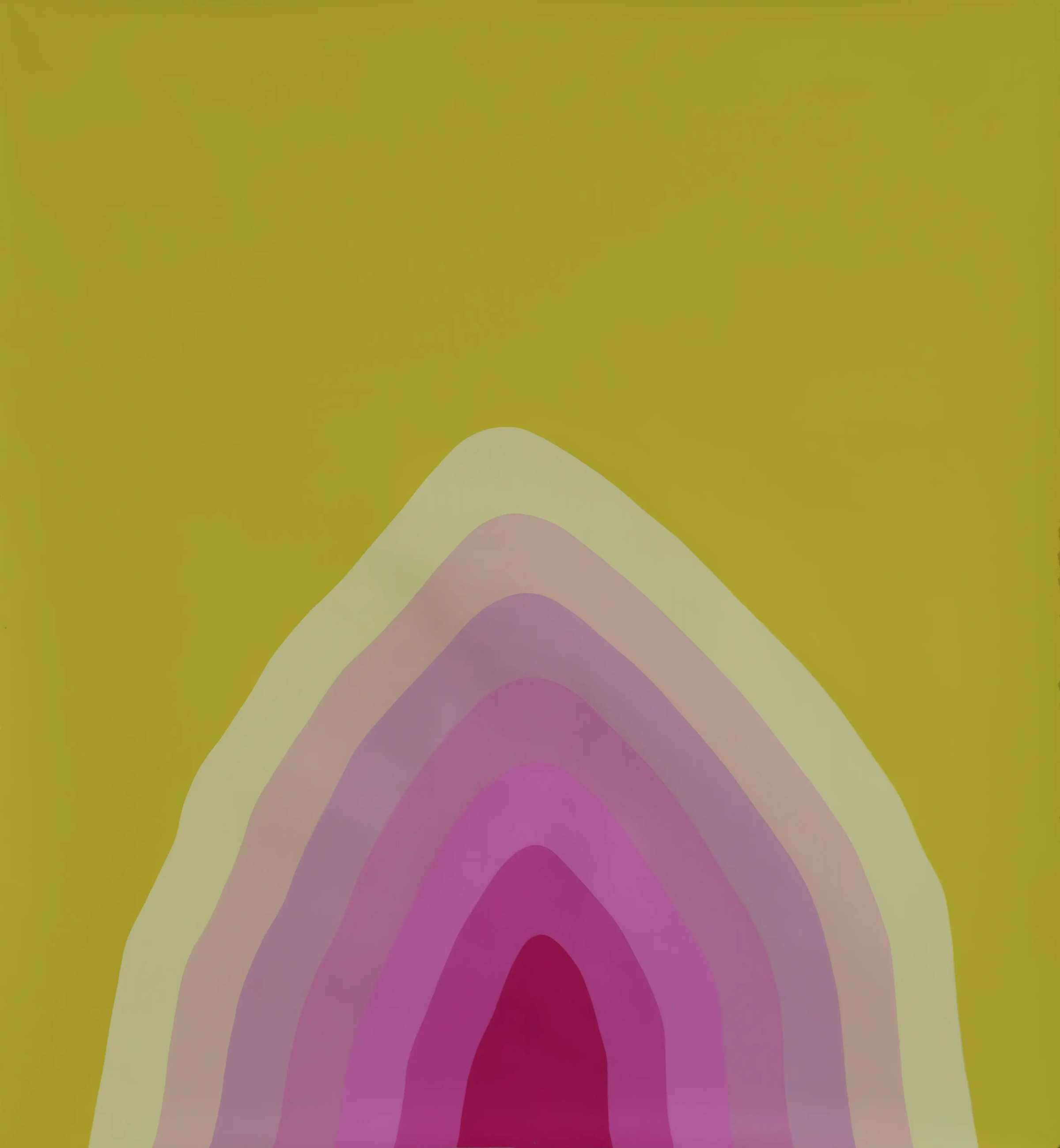
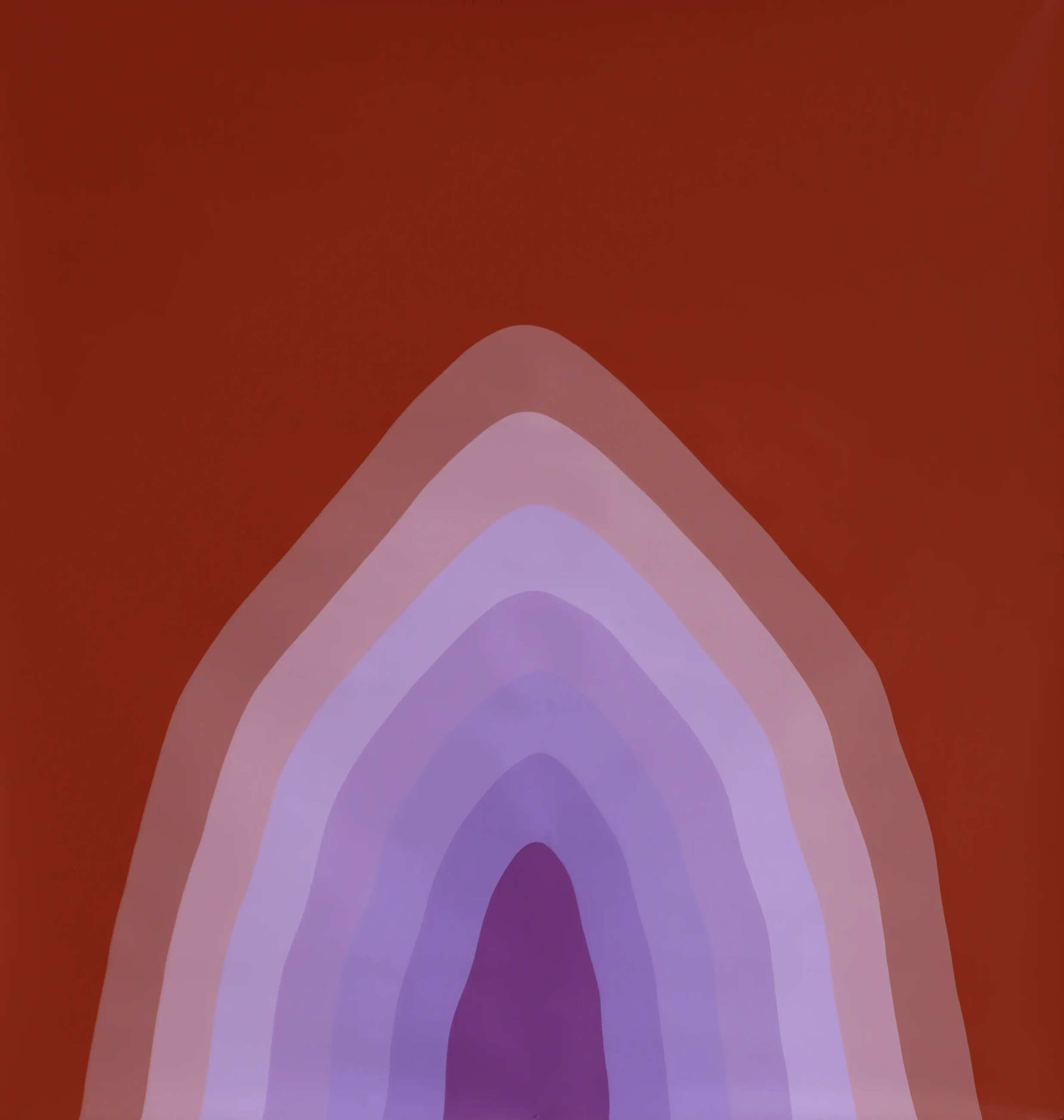
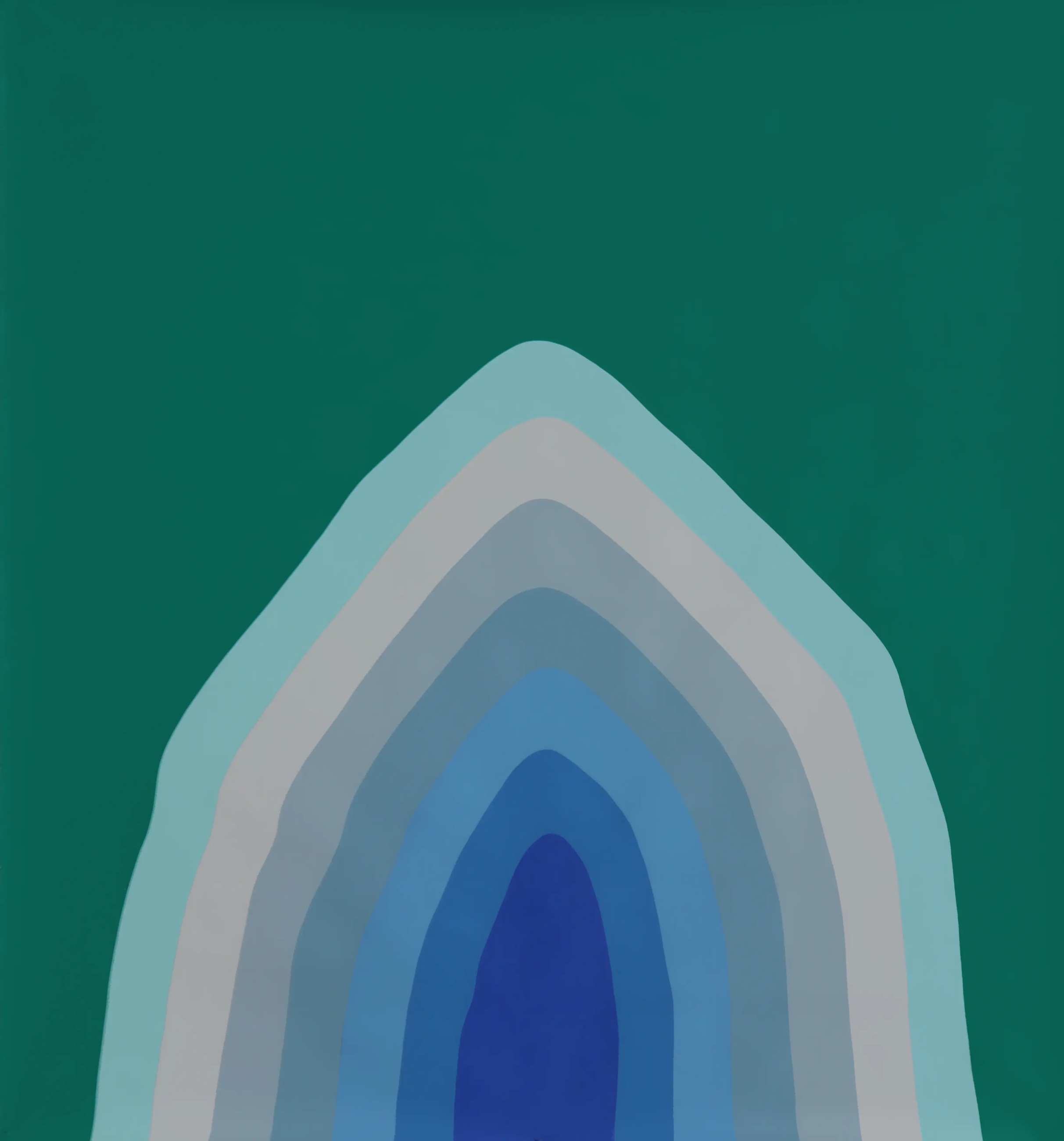
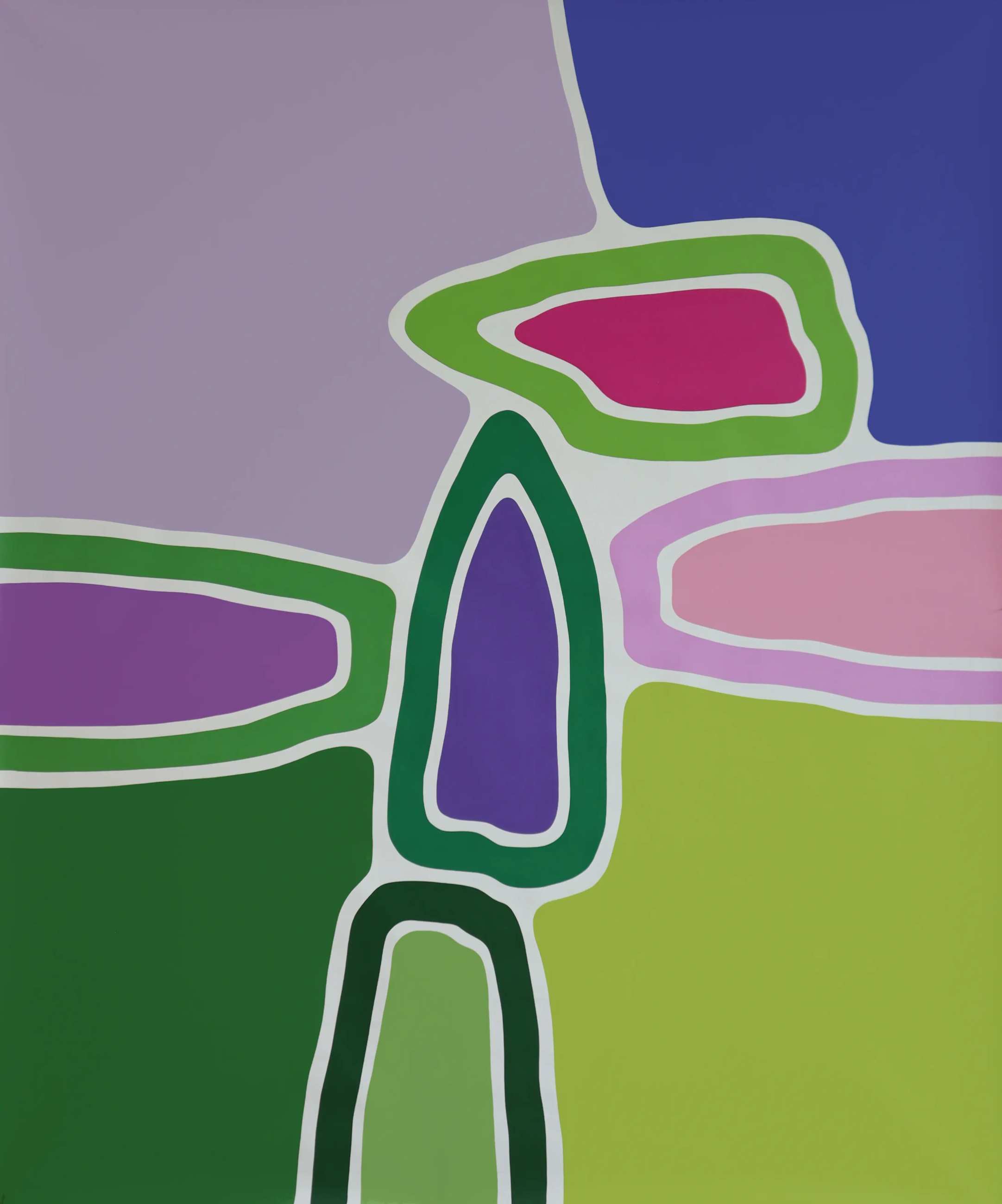
Yacout Hamdouch presents works from two recent series, Poetic Landscapes and Fertile Rainbows. Poetic Landscapes reflect on memory’s ability to capture moments suspended in time, which, even if rare and fleeting, can be both powerful and profound. In these works, Hamdouch traces the process by which what she calls ‘mirages’ develop. Memory sculpts the mirage, which transforms into a landscape that becomes a window allowing us to frame in review those precious, transient moments. In Fertile Rainbows, the artist invites us to consider the complexity of human emotions that bind us all together, by uniting line, layer, form and colour. These subtly graded works evoke something indefinable, ambiguous and even elusive that offer us the outlines of a map upon which we might locate ourselves. Across both series, Hamdouch deploys her exquisite layering technique, using gradually shifting colours and tones as a reflection of the gradations present in human experience. Her palette is informed by a contemporary interpretation of colours associated with the African continent. Repeated organic forms appear throughout her work, revealing refined abstractions of the female body. Loosely inspired by the thigh - an area of the body rarely discussed yet deeply connected to femininity, sensuality, and strength - these forms echo aspects of both body and landscape, recording traces of memory and presence. In Hamdouch’s paintings, the past is never fixed; it is a live, shifting and deeply personal presence. This subtle yet profoundly introspective approach draws viewers inwards, encouraging questions of one’s own relationship to time, memory and experience as potentiated by these shared moments of recognition.
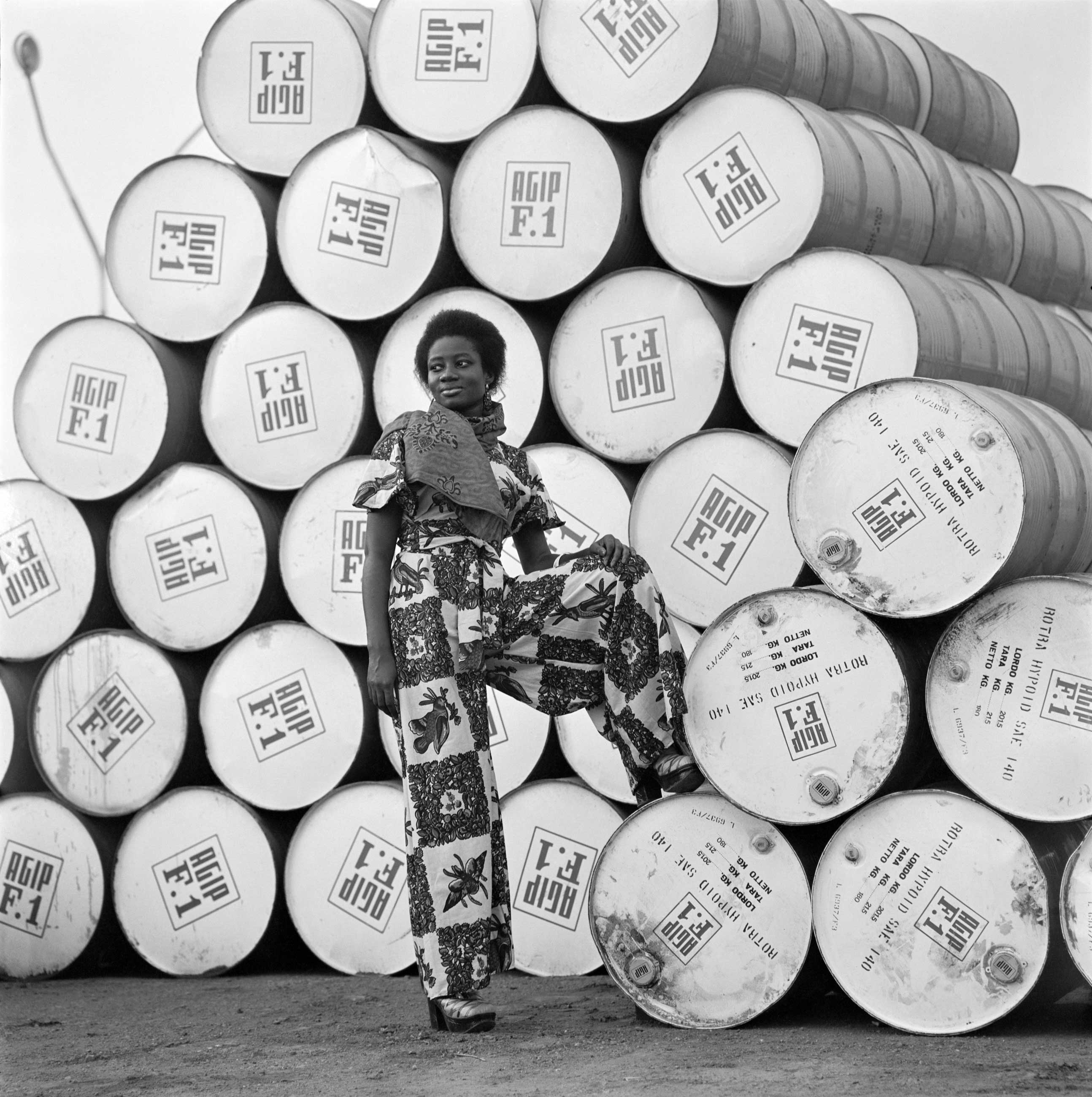
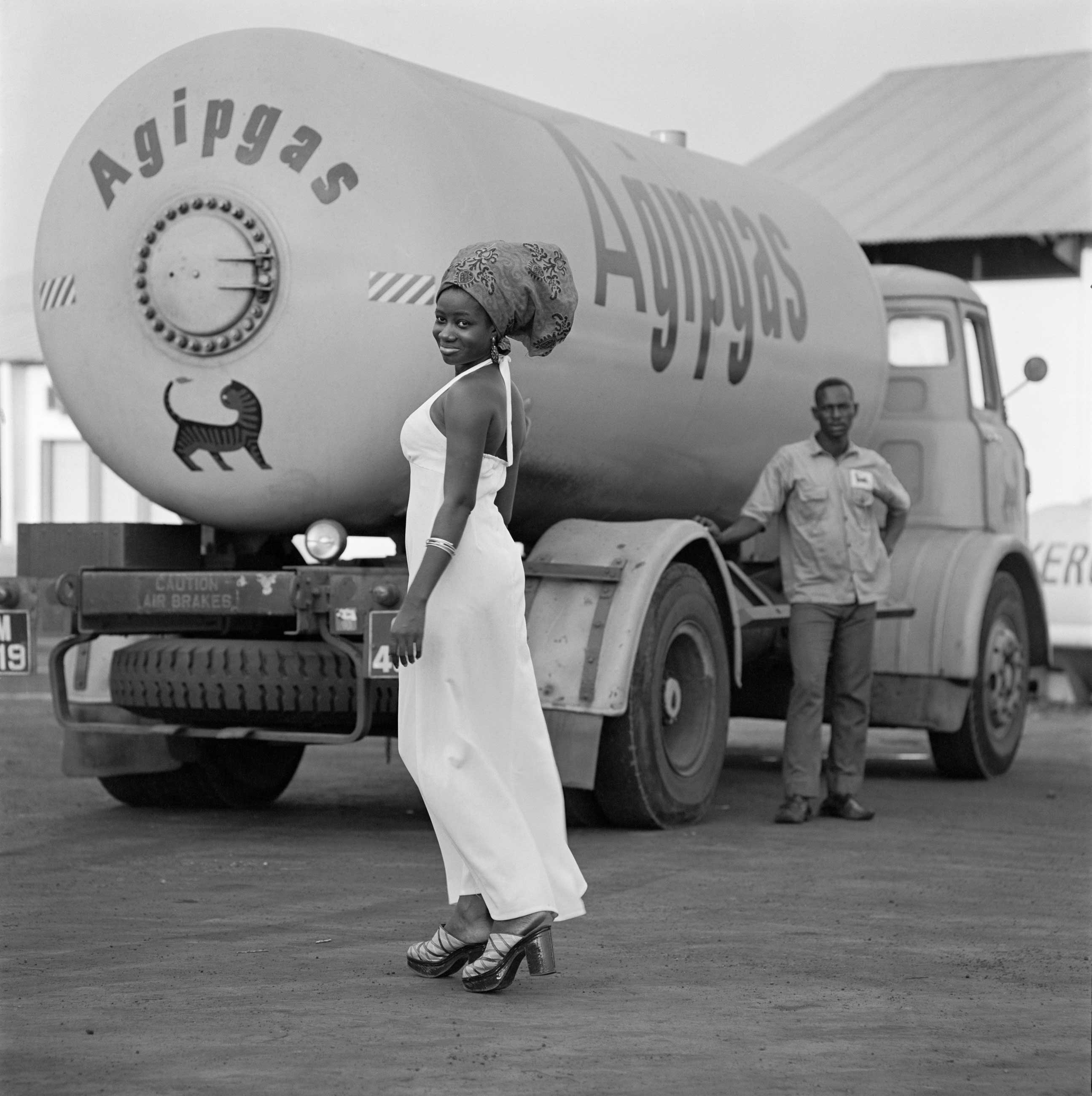
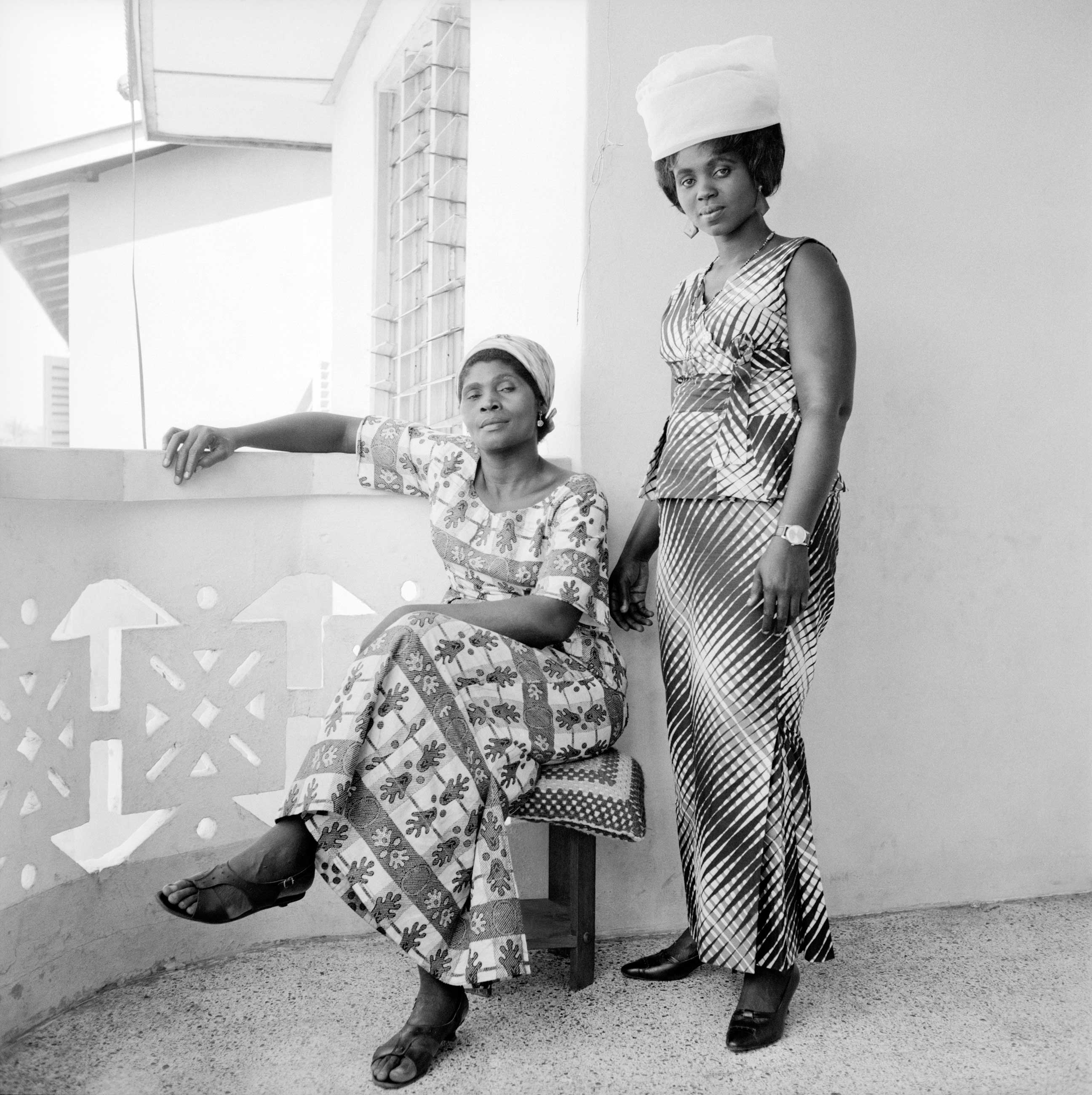
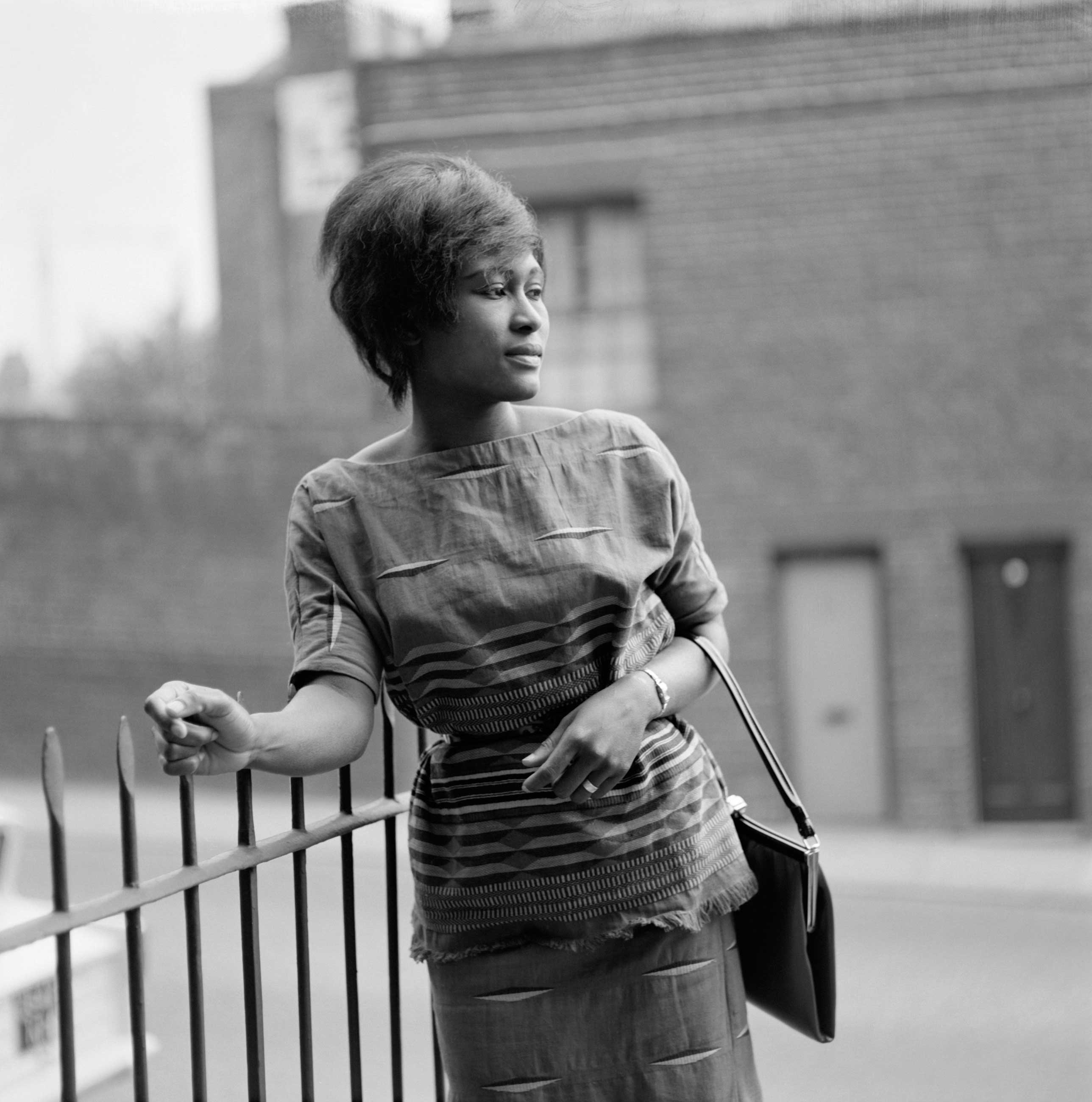
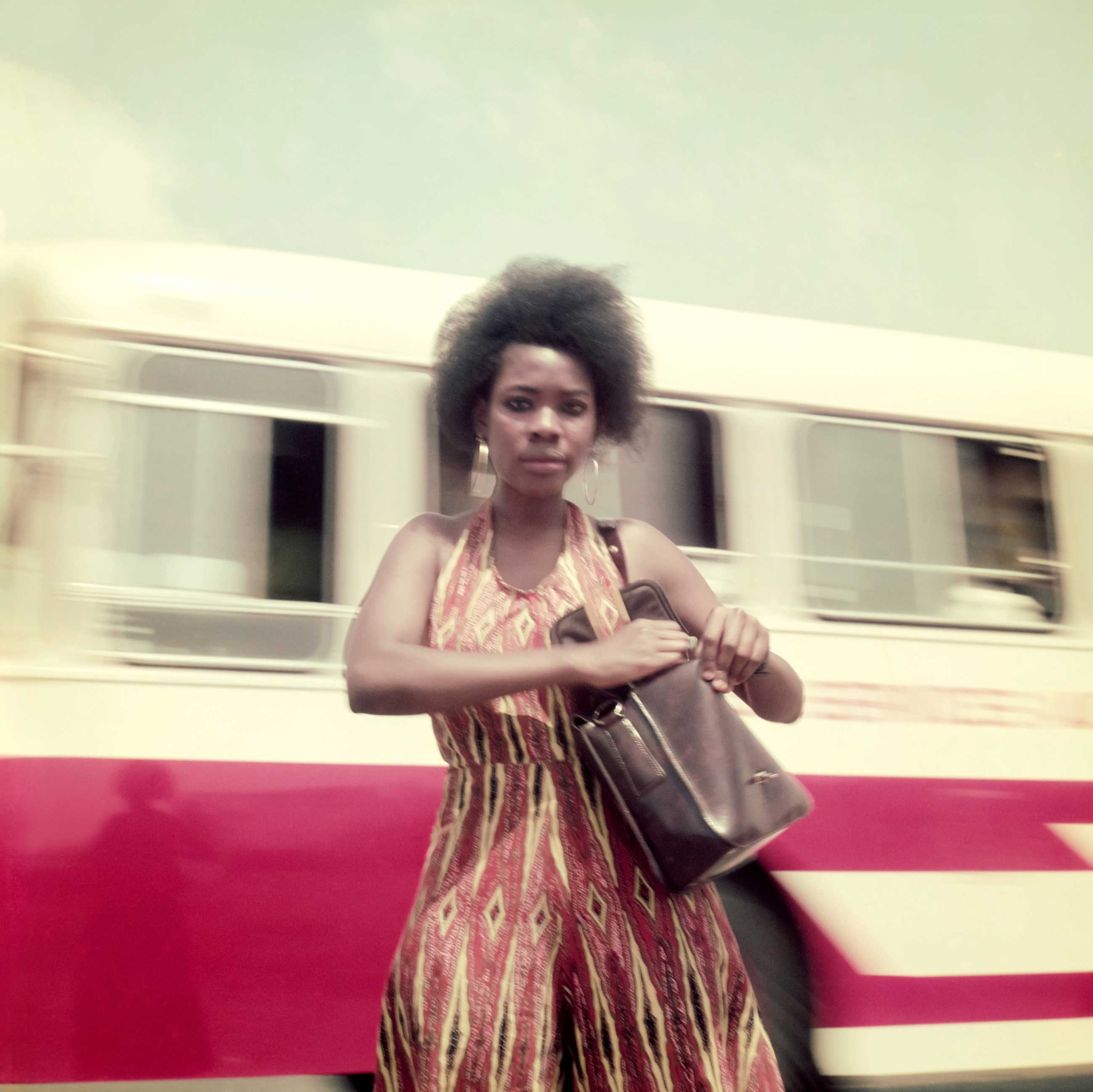
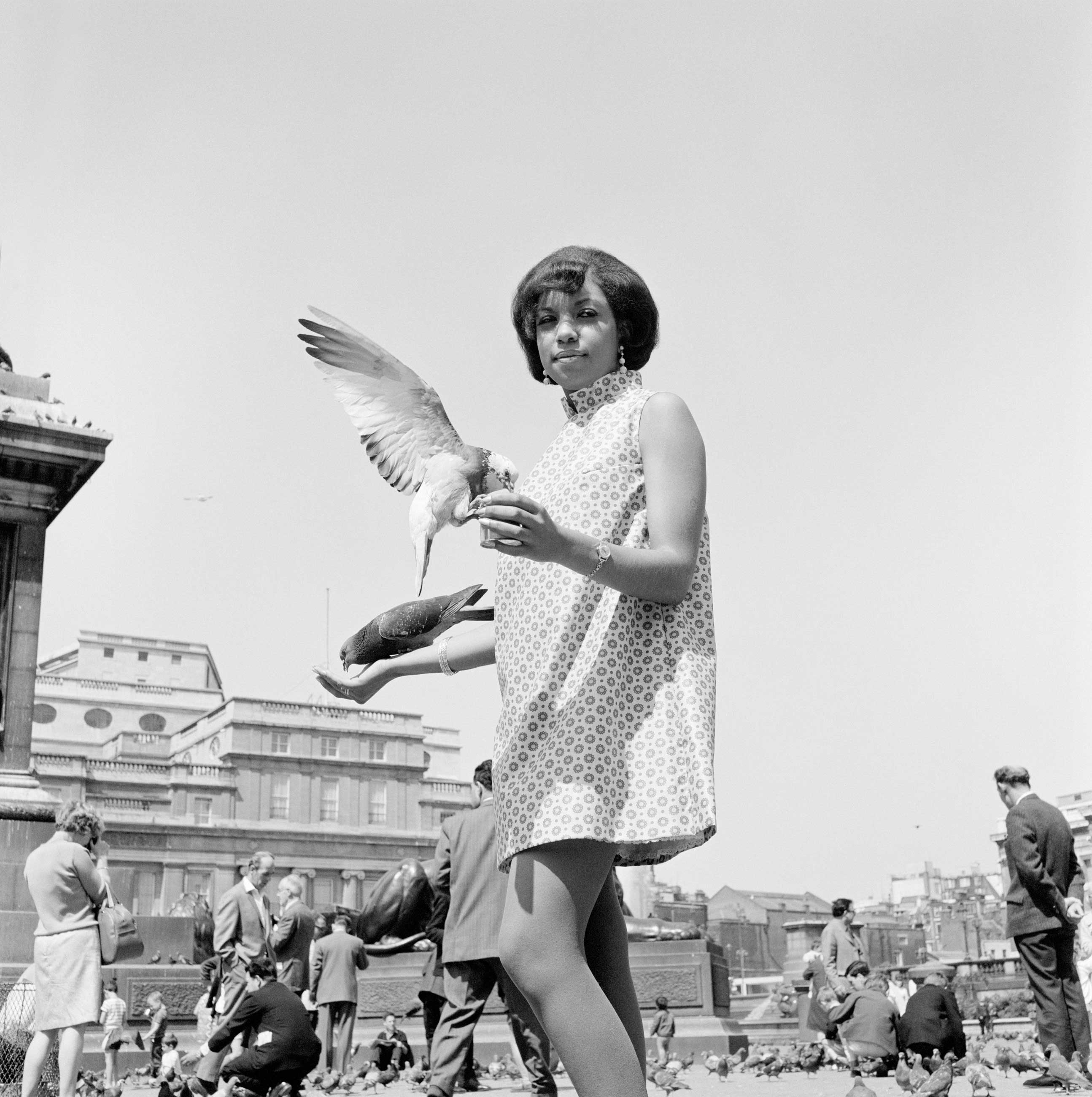
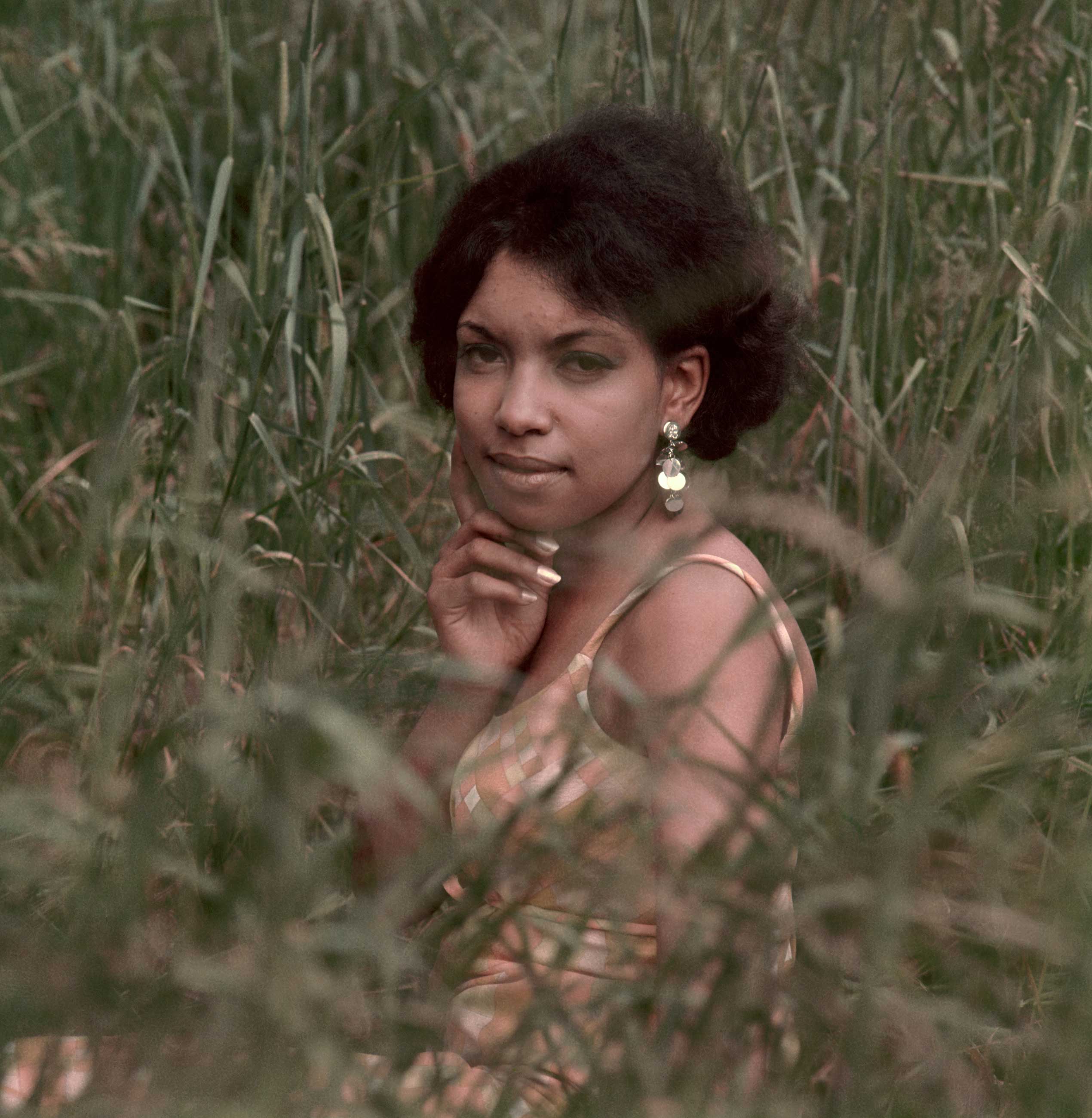
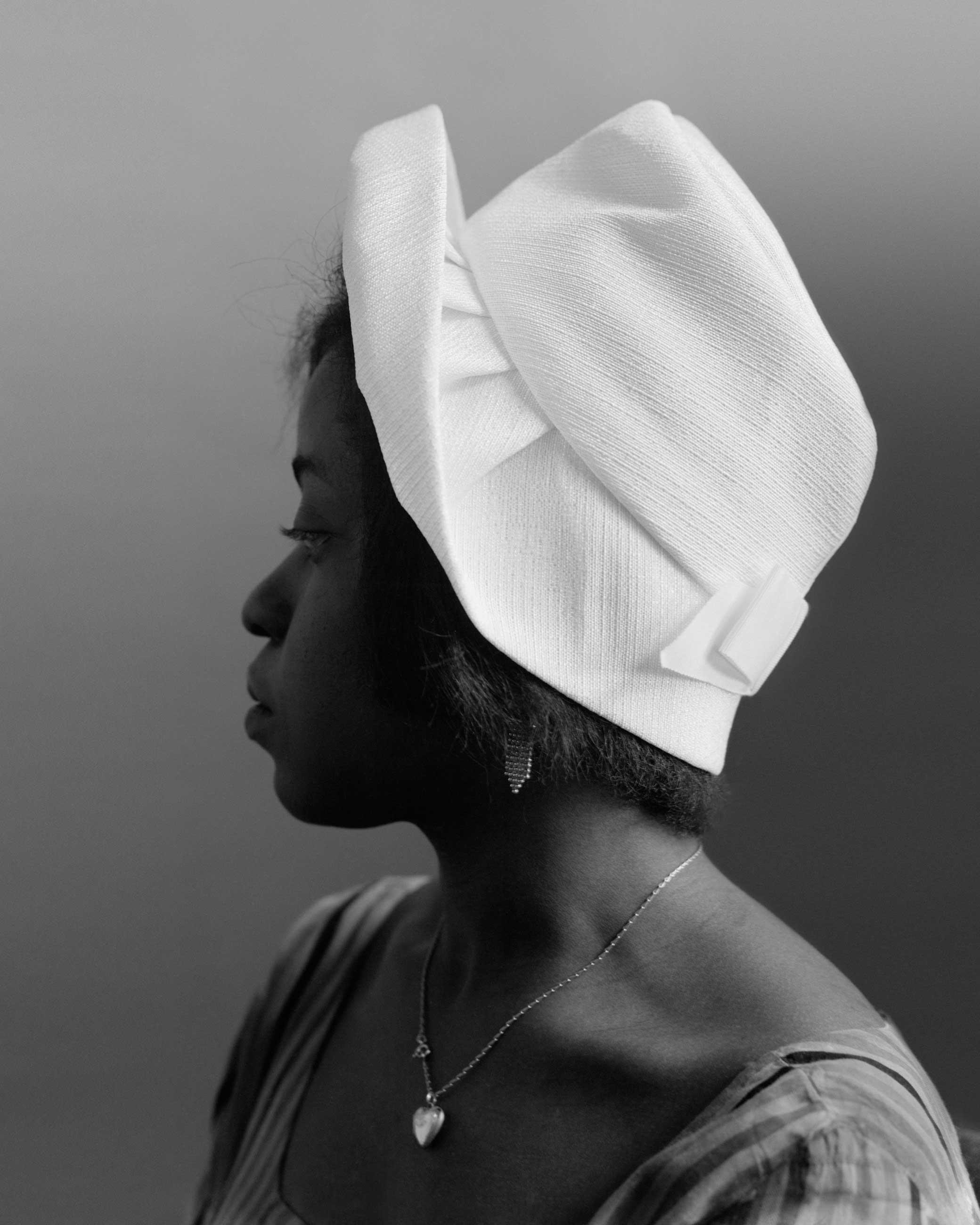
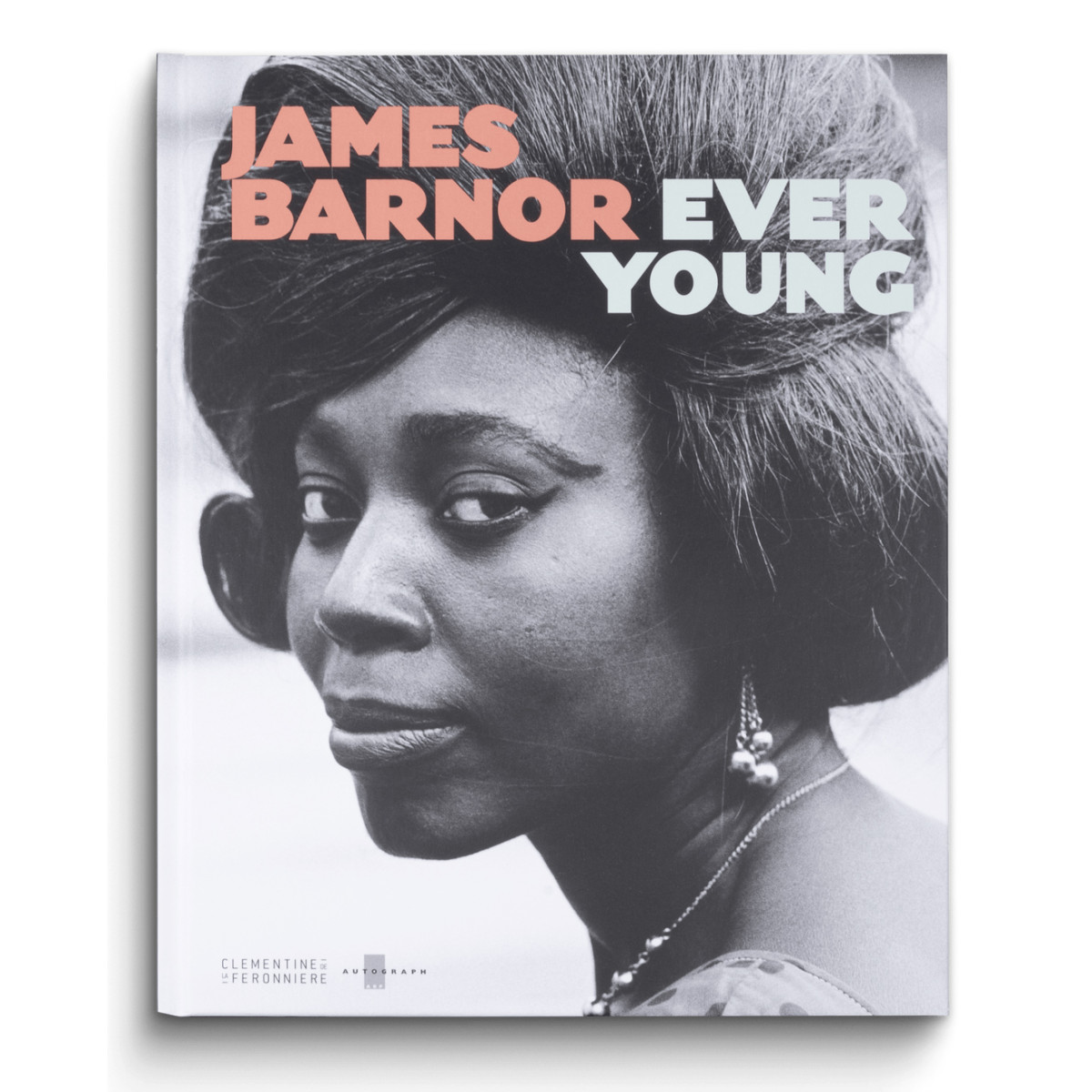
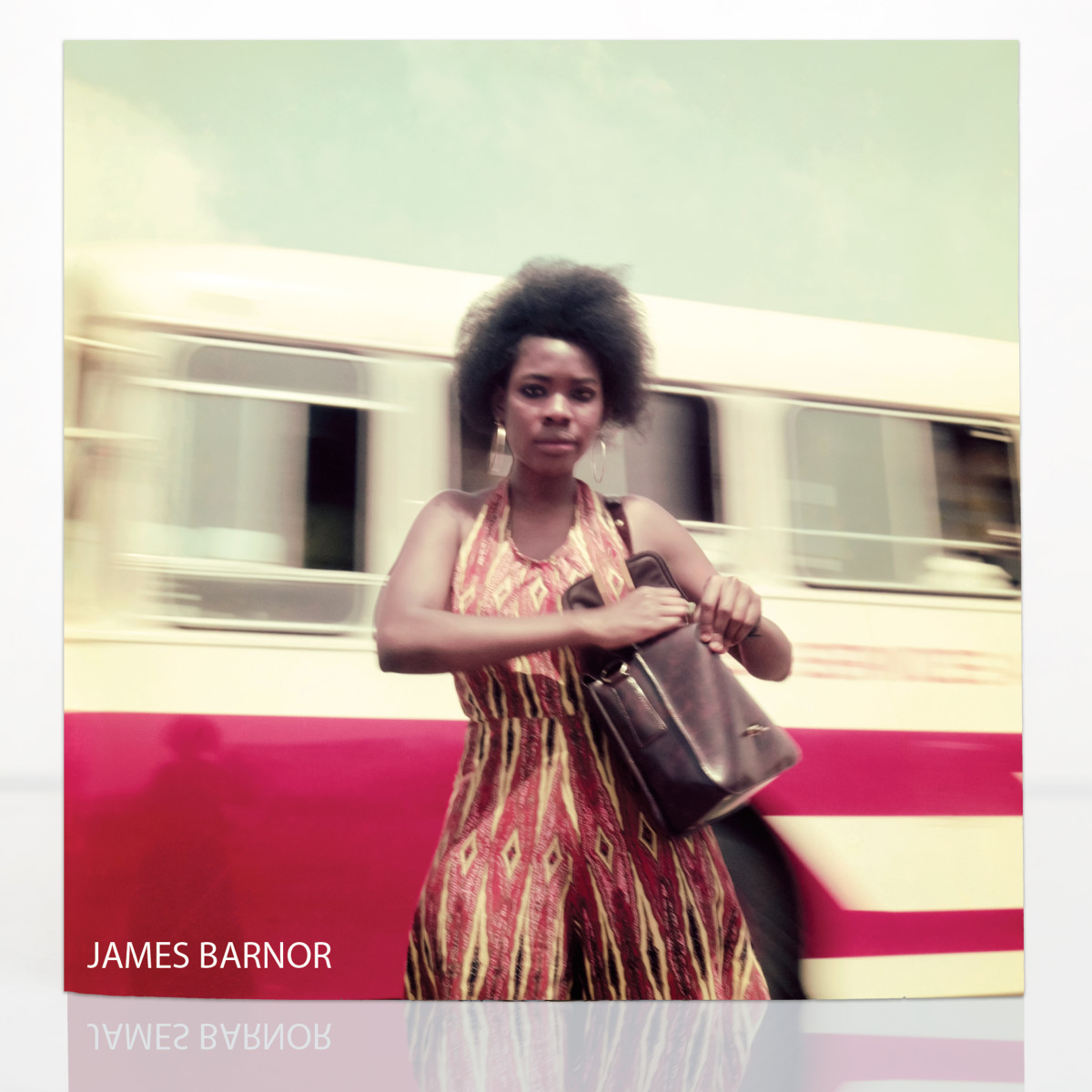
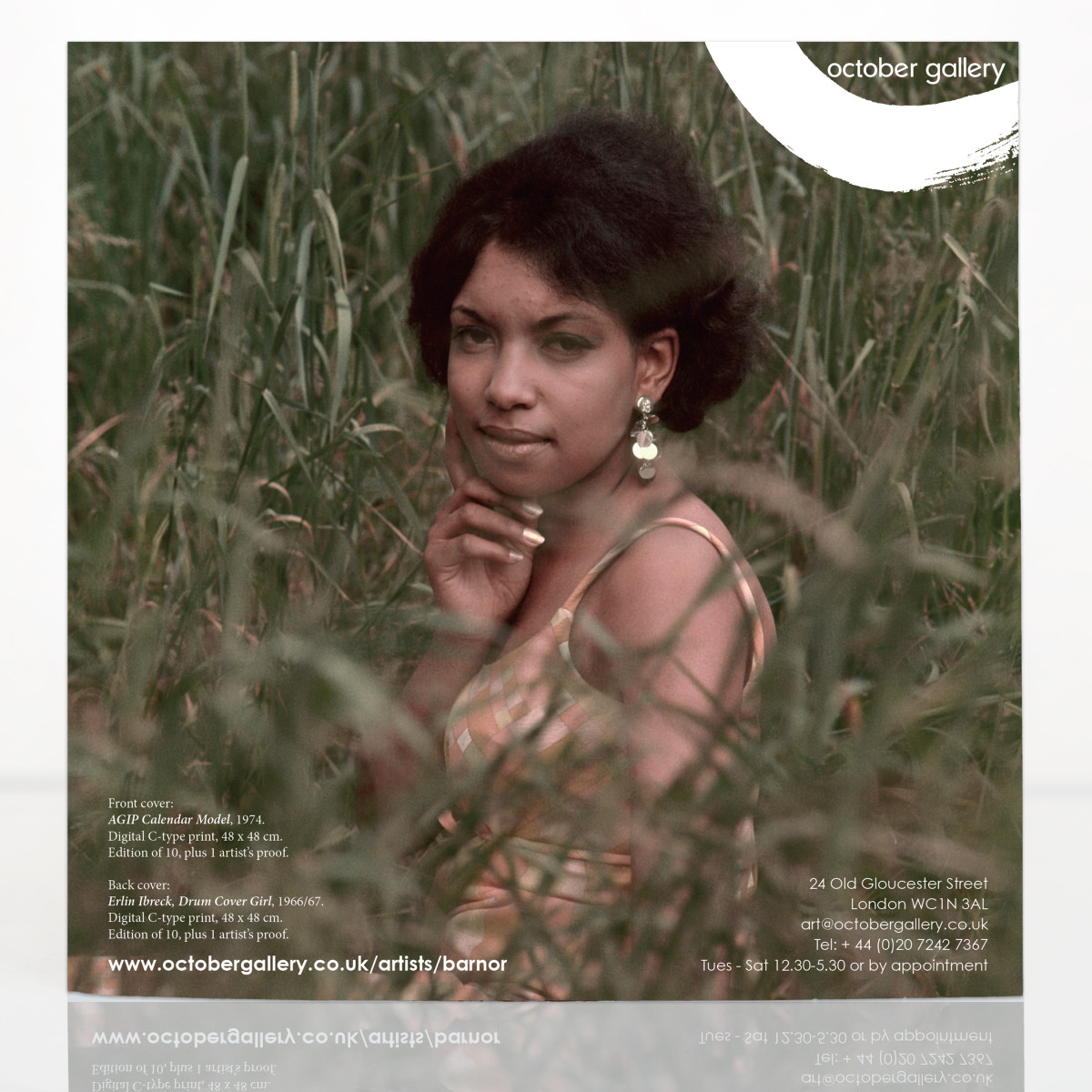
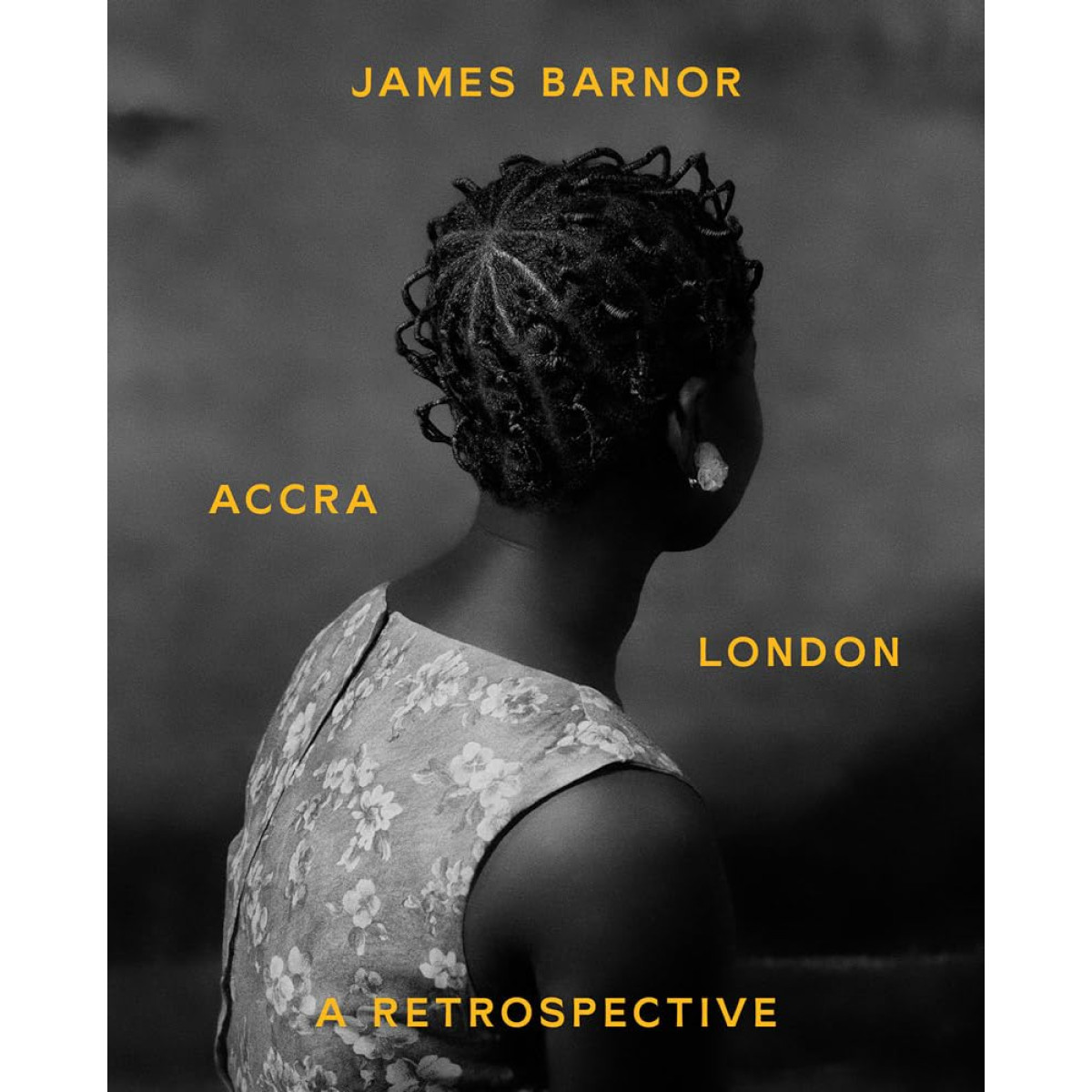
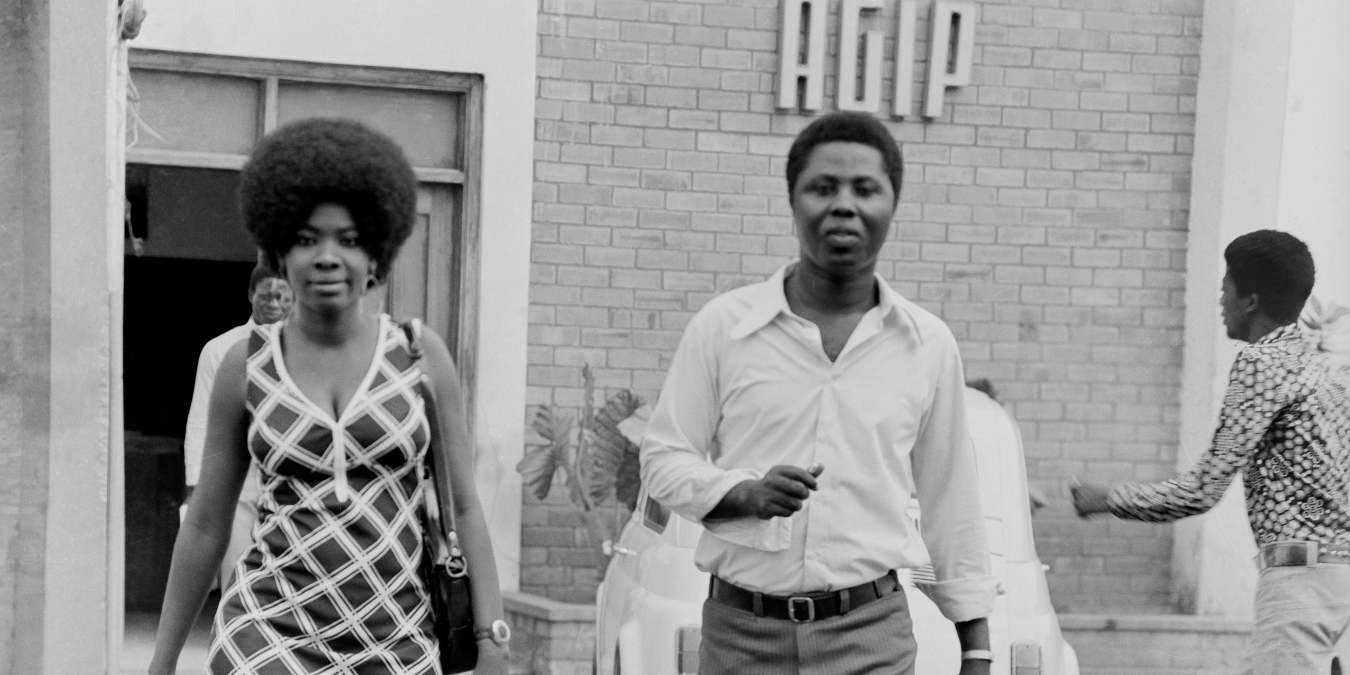
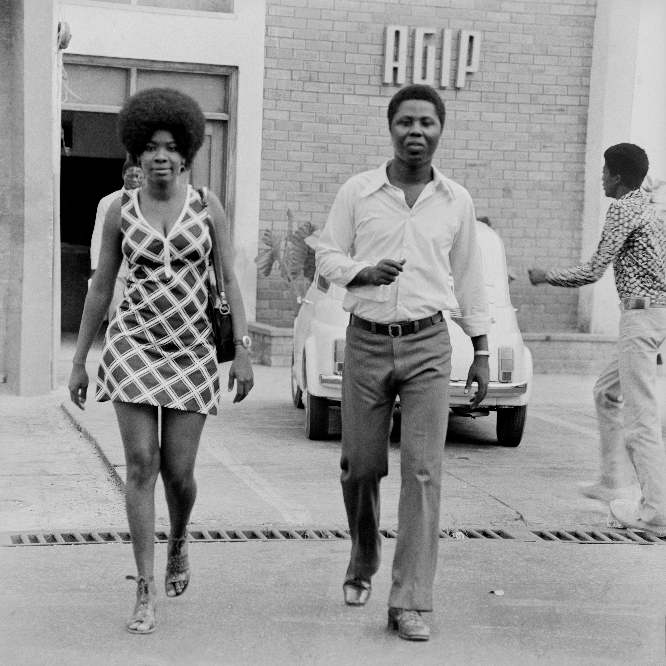
James Barnor’s masterful career has spanned more than seven decades, working as studio portraitist, photojournalist and Black lifestyle photographer-at-large. His photographs of a newly-Independent Ghana and swinging Sixties London are now recognised as unparalleled, historical documentation. Barnor’s work powerfully unites history, culture and education, highlighting long-overlooked stories of the African diaspora, while celebrating the depth, beauty and strength of African identity. This Spotlight exhibition on James Barnor’s photography pays homage to the boundless energy of a photographer who named his Accra studio ‘Ever Young’. His work continues to inspire a new generation of African photographers to reclaim and flesh out their own narratives as his images constitute a rich visual record of development that will inform and empower generations to come.