October Gallery at Africa Basel | Booth A07

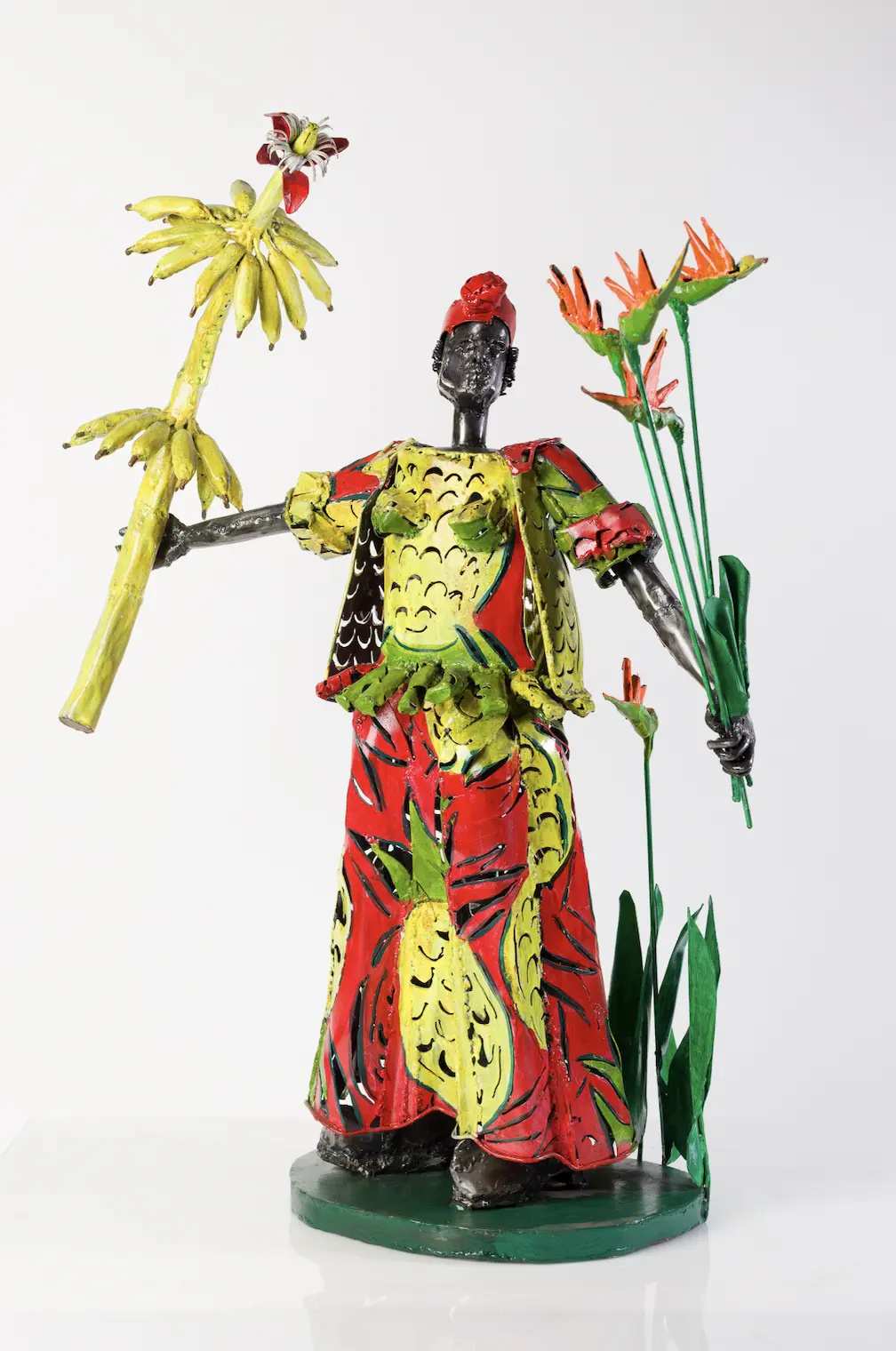
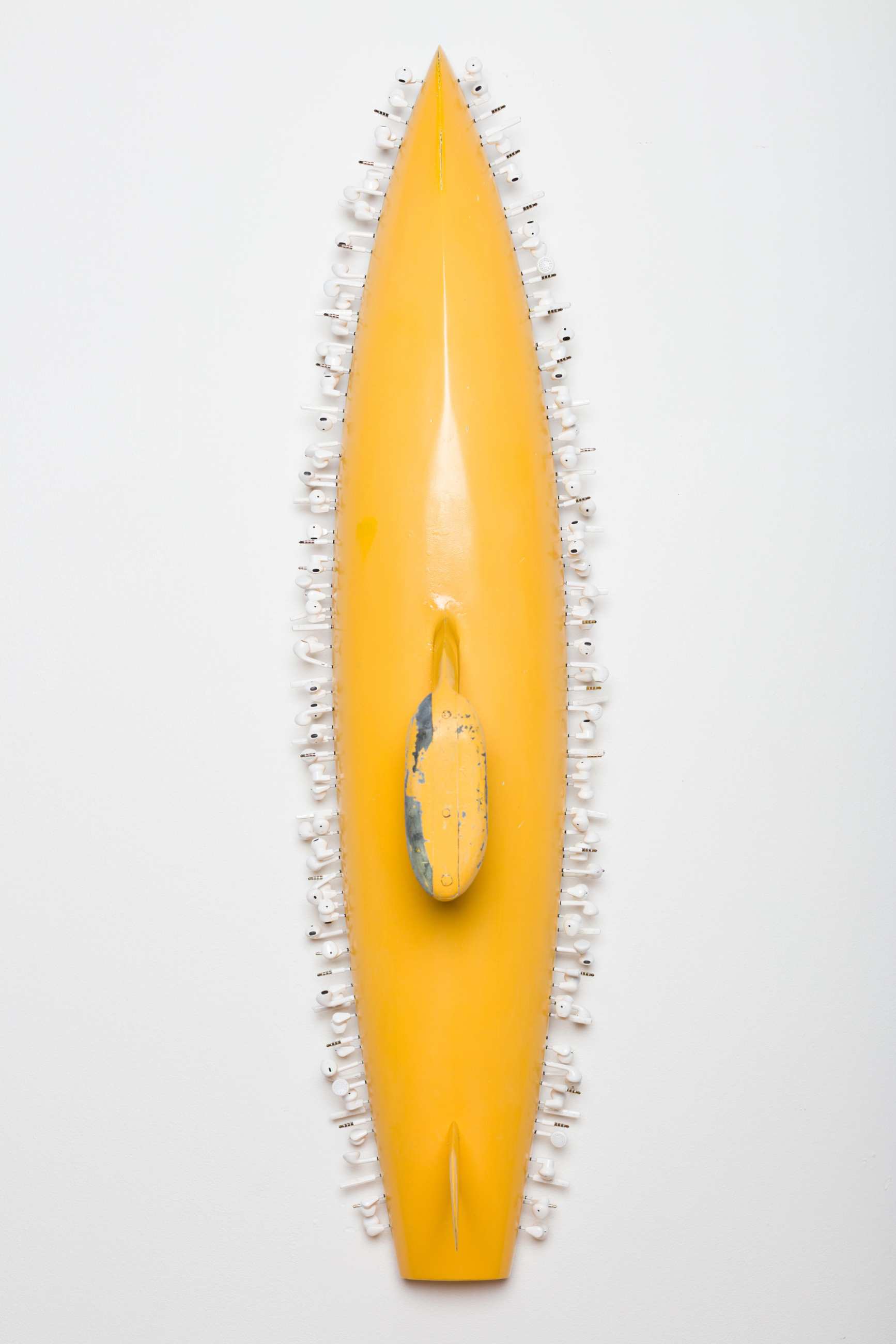
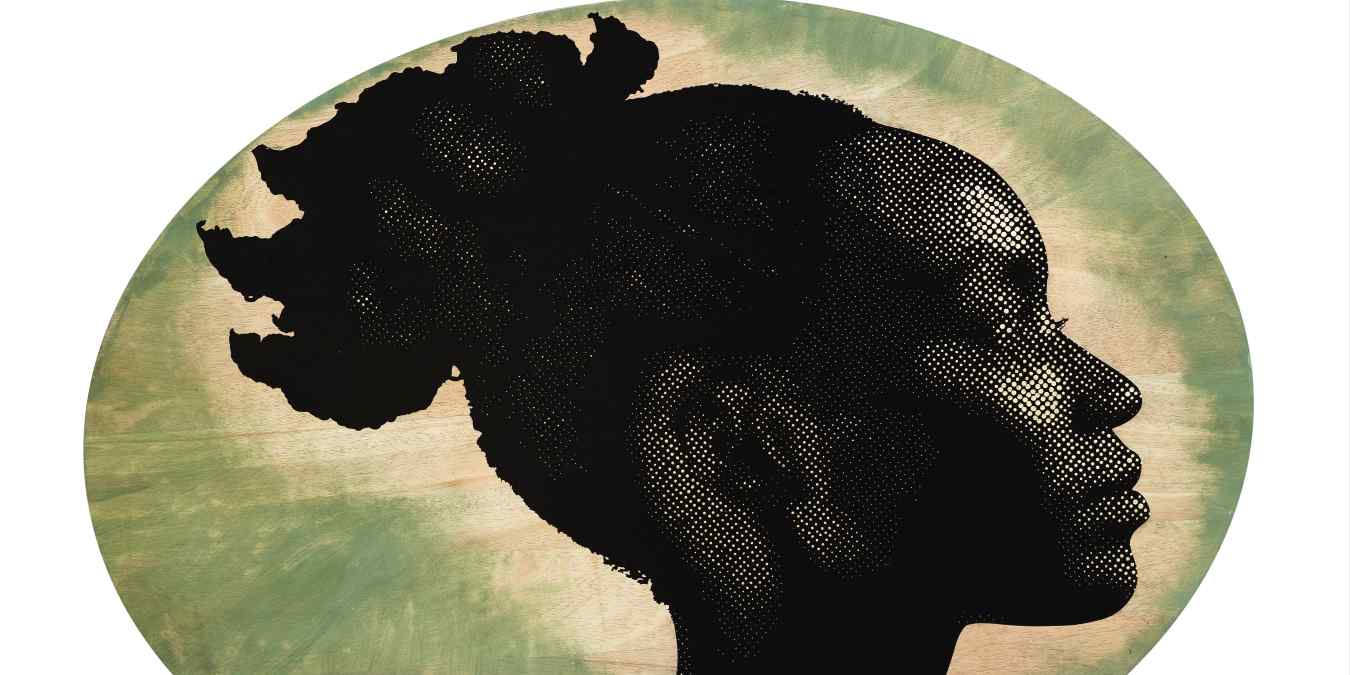
Wood, metal, and plastic, 45 x 25 x 14 cm.

October Gallery, London announces its participation in the second edition of Africa Basel, 2026, with a presentation of dynamic works by Zana Masombuka, LR Vandy, Sokari Douglas Camp CBE, Alexis Peskine, Eddy Kamuanga Ilunga, Xanthe Somers and Djibril Dramé. The gallery’s booth brings together photography, sculpture, painting and vibrant ceramic works.
Highlights include recent photographic works by South African artist Zana Masombuka, which focus on the important meditative process of Ndebele beading. Combining the mediums of photography and sculpture, she creates fascinating photographs surrounded by an intricate beaded frame. In this series, Akhulumile Amabhudango: Scenes from Dreams – ‘Journeys with Kosabo’ Masombuka pays homage to her late grandfather as she journeys with him in her dreams, exploring themes of kingship, ascension and ancestral guidance. The beaded form and pattern of each work draw from culturally significant objects within her community, such as ‘iiRholwane zabo Baba’ (neck rings worn by Ndebele patriarchs) and ‘is‘Khumba seNgwe’ (Leopard skin). Masombuka’s intriguing body of work will be subject of a second solo exhibition at October Gallery opening on 4th September, 2026.
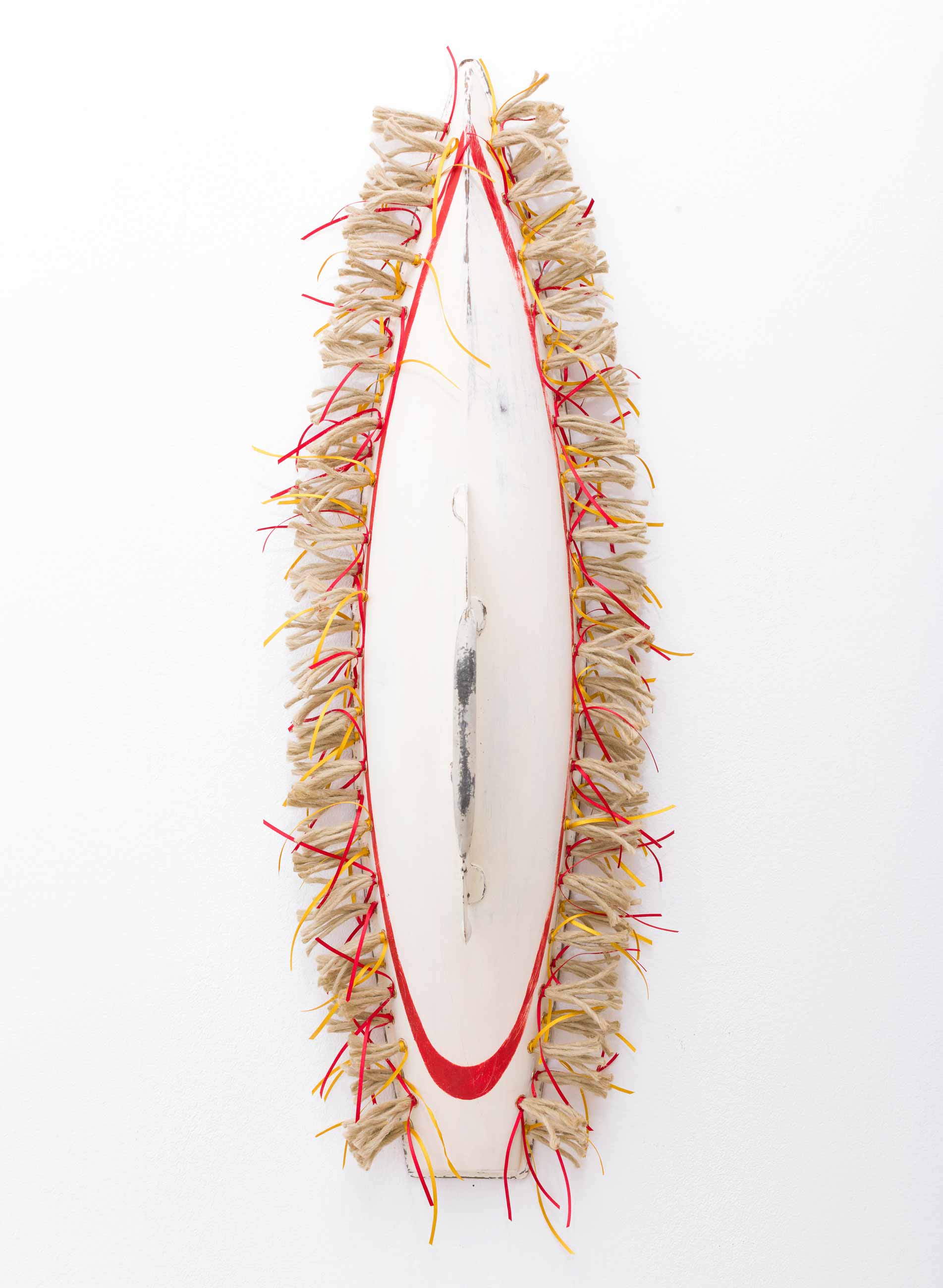
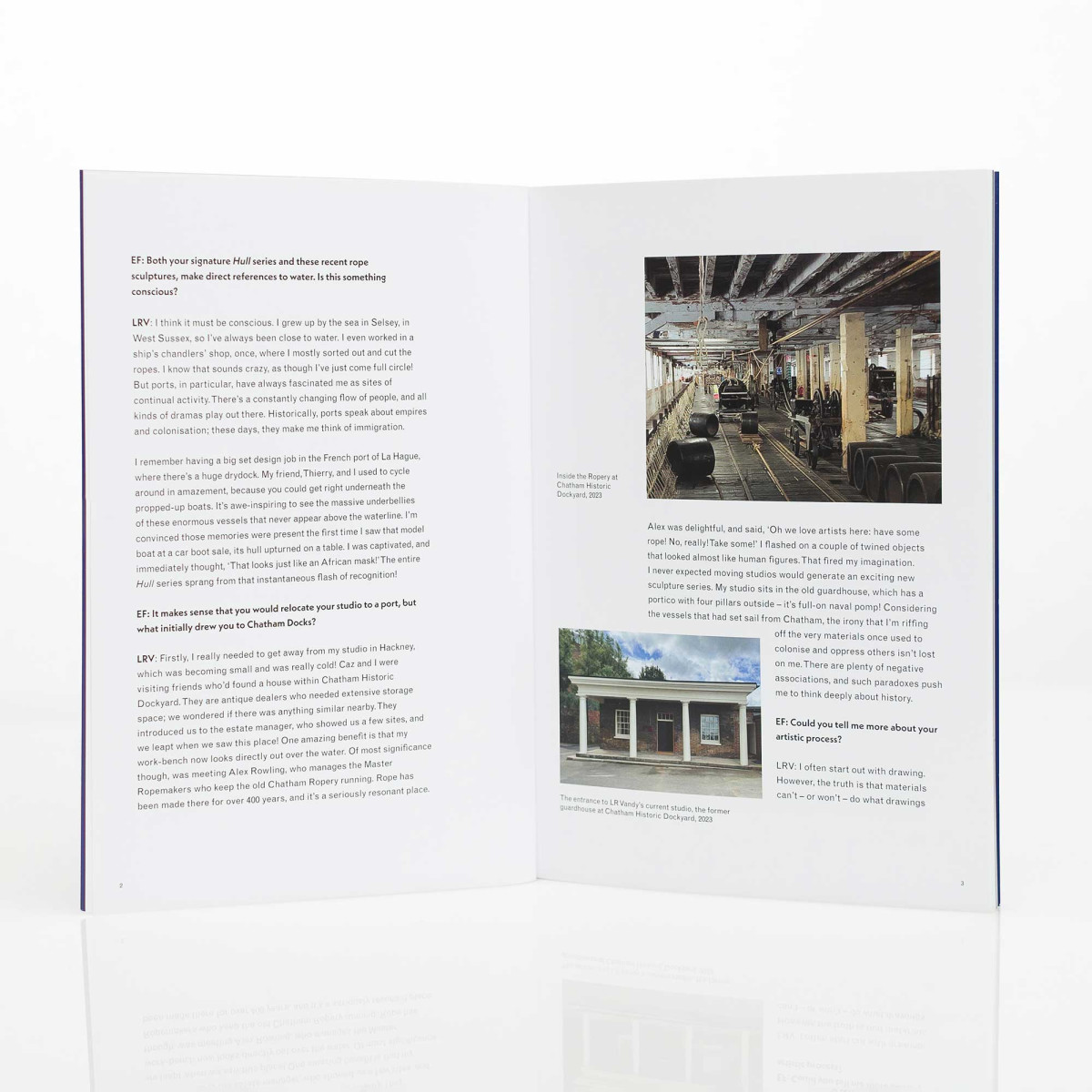
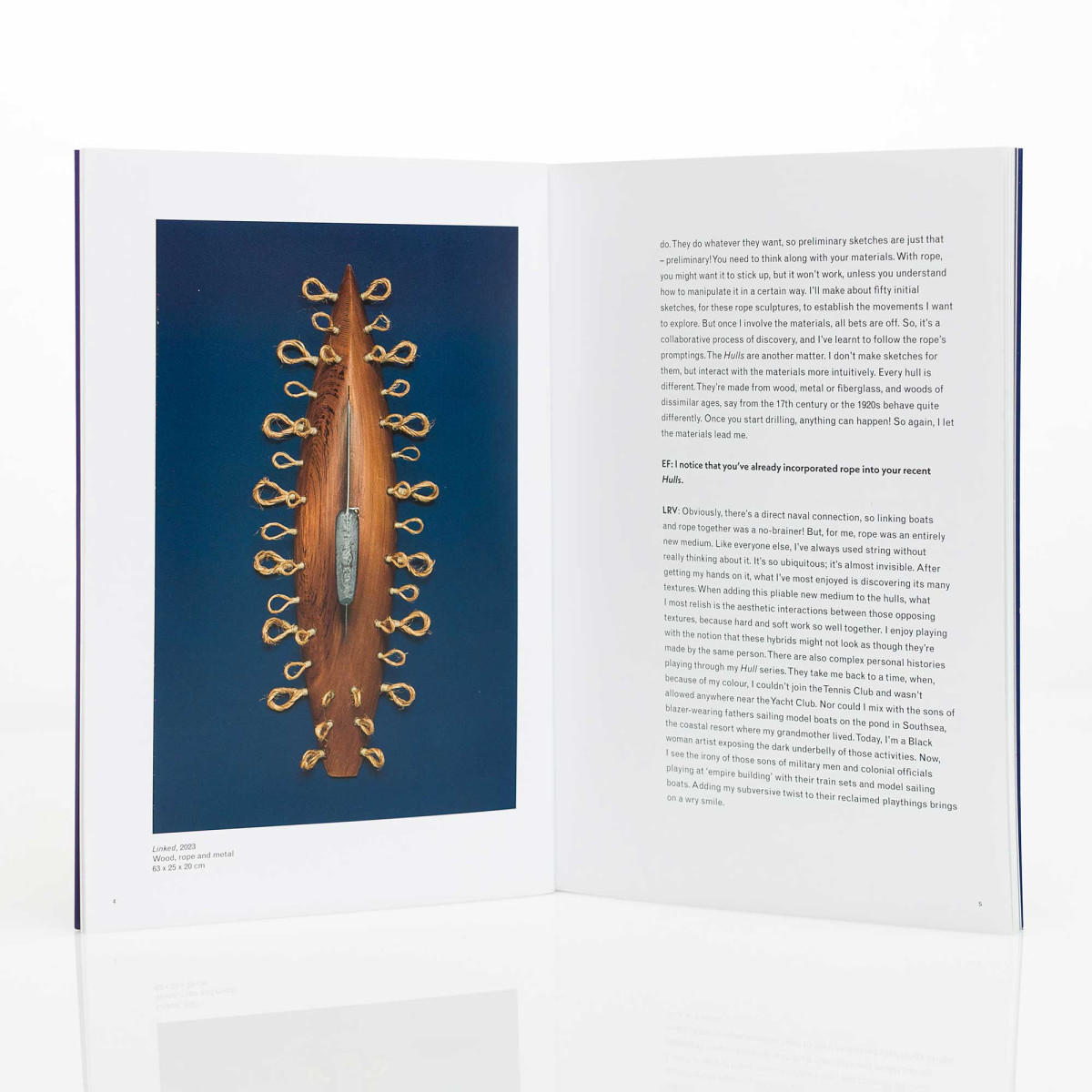
LR Vandy is represented by striking sculptural works, including Decoder, 2023, a major artwork from her signature Hull series. Vandy has an aptitude for elegantly revealing hidden histories; her works continually reference the multi-layered history and heritage of the African diaspora. Her practice is based on the transformation of found objects, metal components and rope into a variety of artworks in which she explores the complex entanglements of trade, power and gender. LR Vandy’s first solo museum exhibition, Rise, introduces a significant new body of work and is currently open to the public at the Weston Gallery, Yorkshire Sculpture Park, West Bretton, UK, until 13th September 2026. Her work The Swim, has been commissioned by V&A East Museum, London for their inaugural exhibition The Music is Black: A British Story, which opens 18th April, 2026.
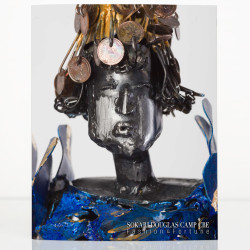
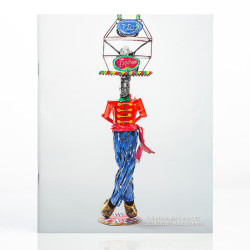
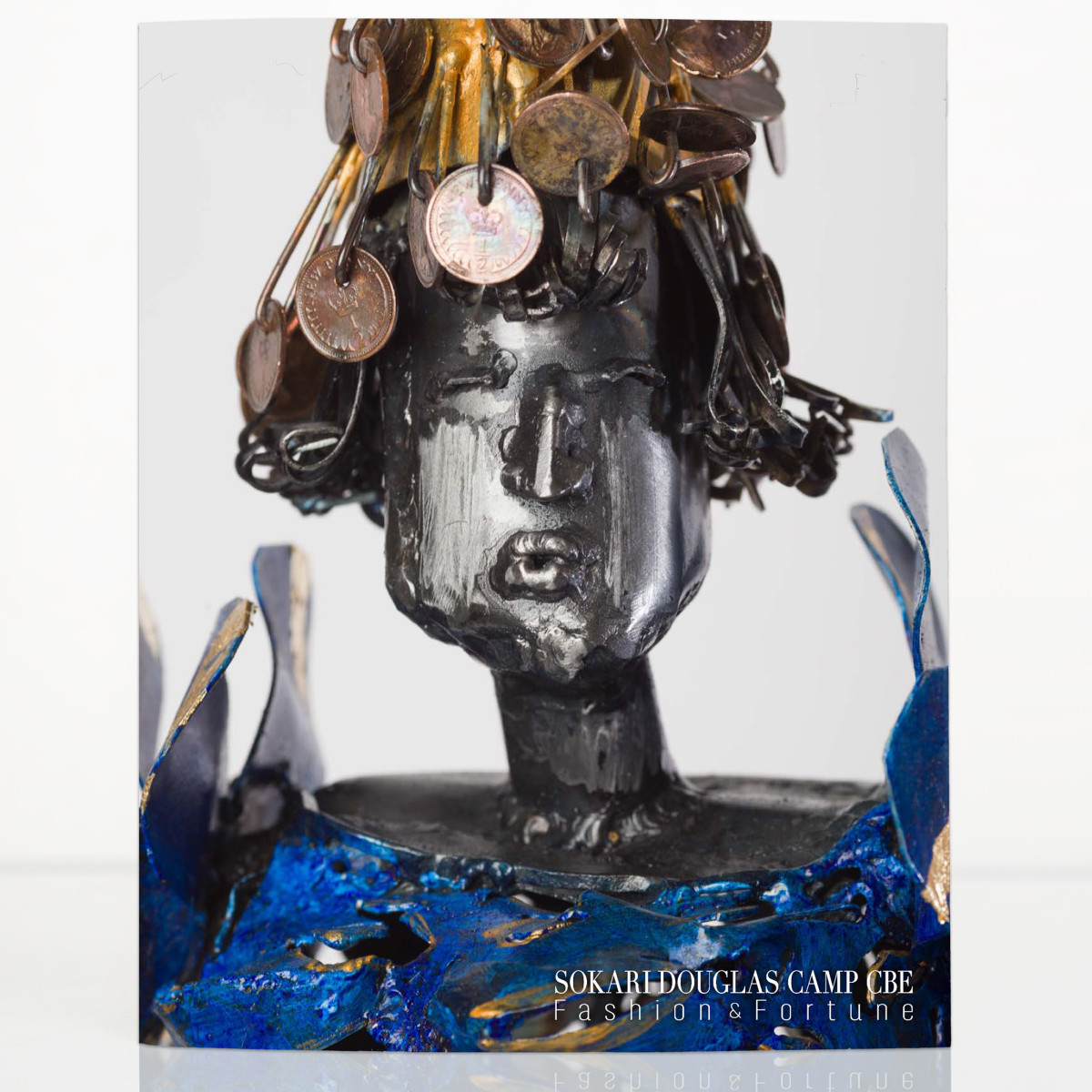
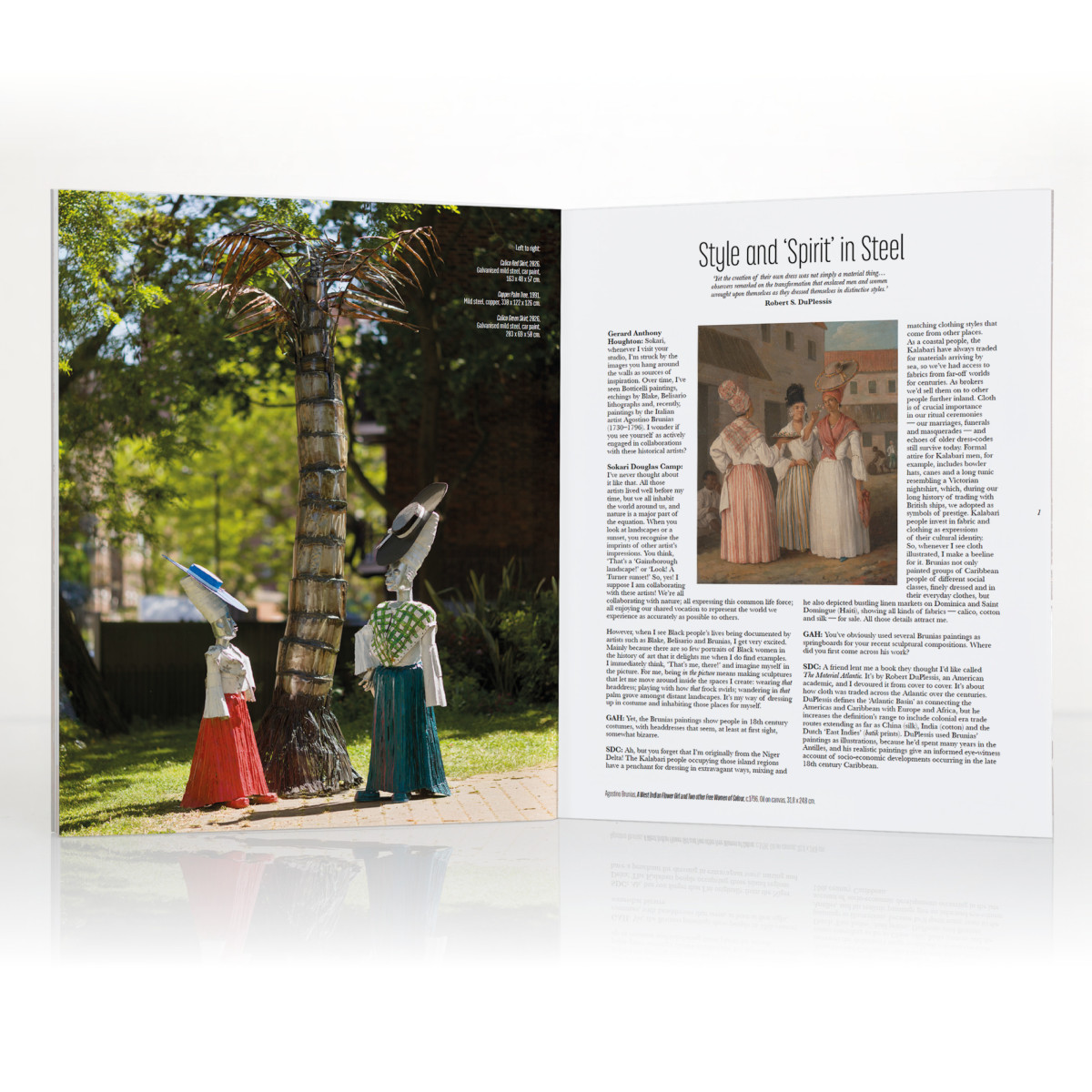
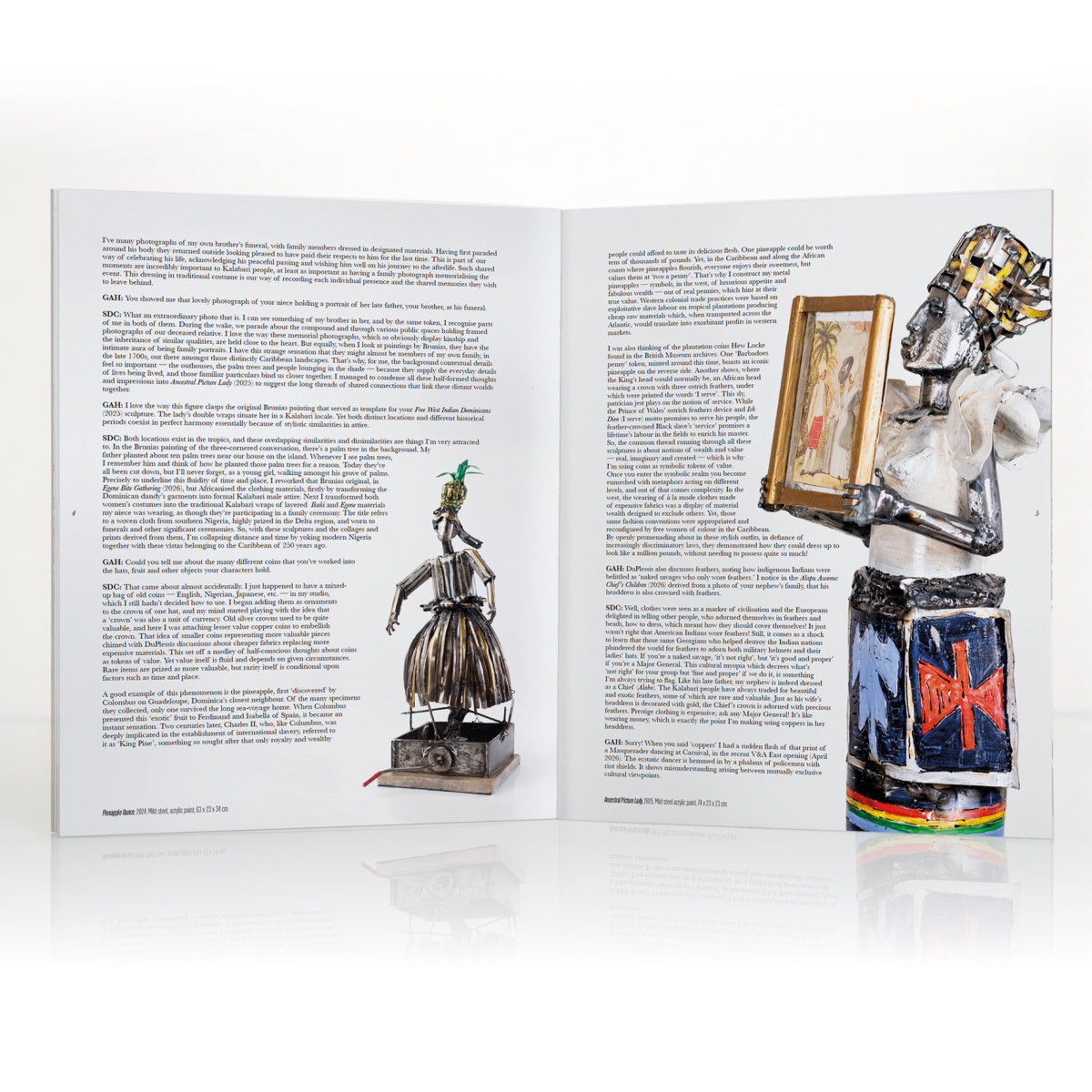
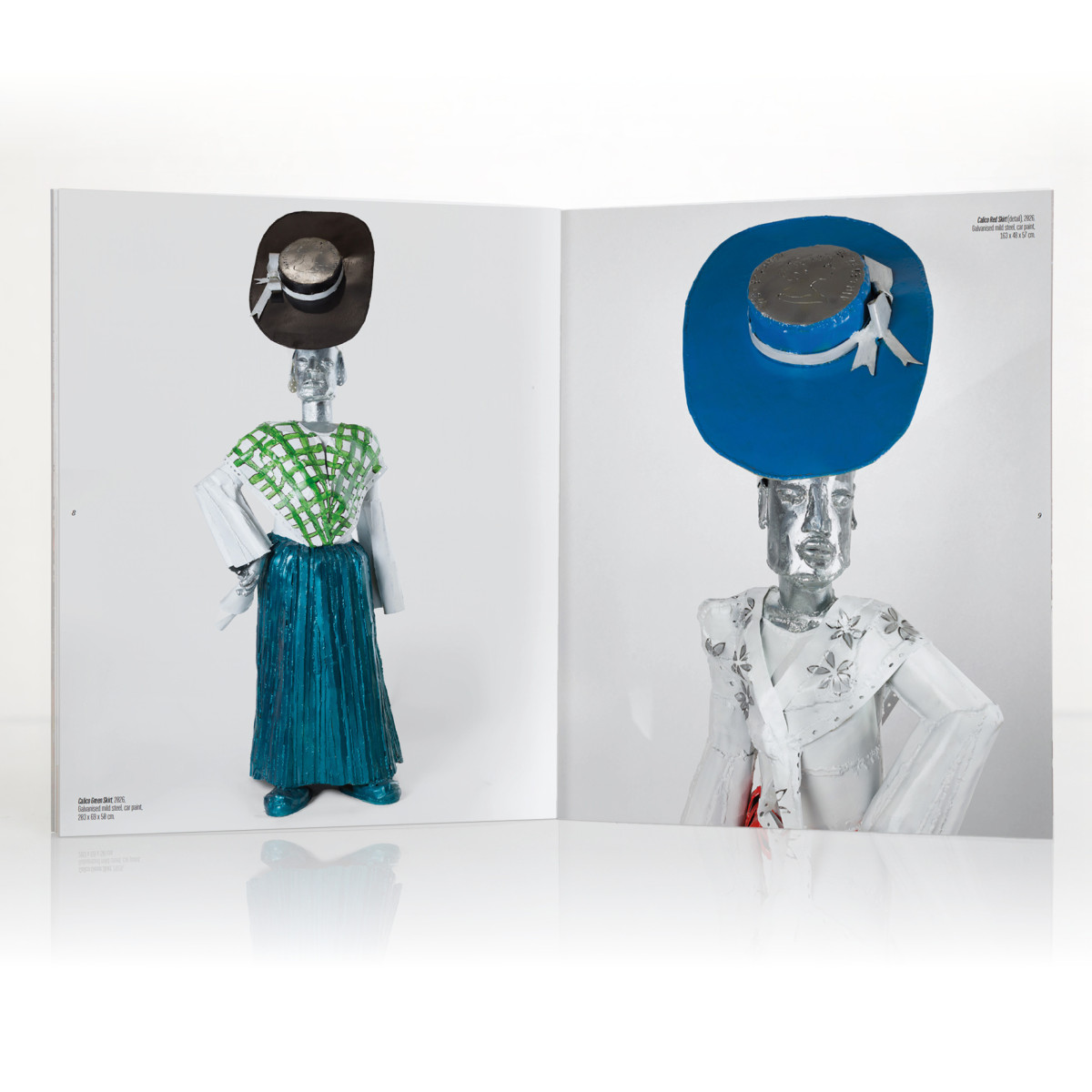
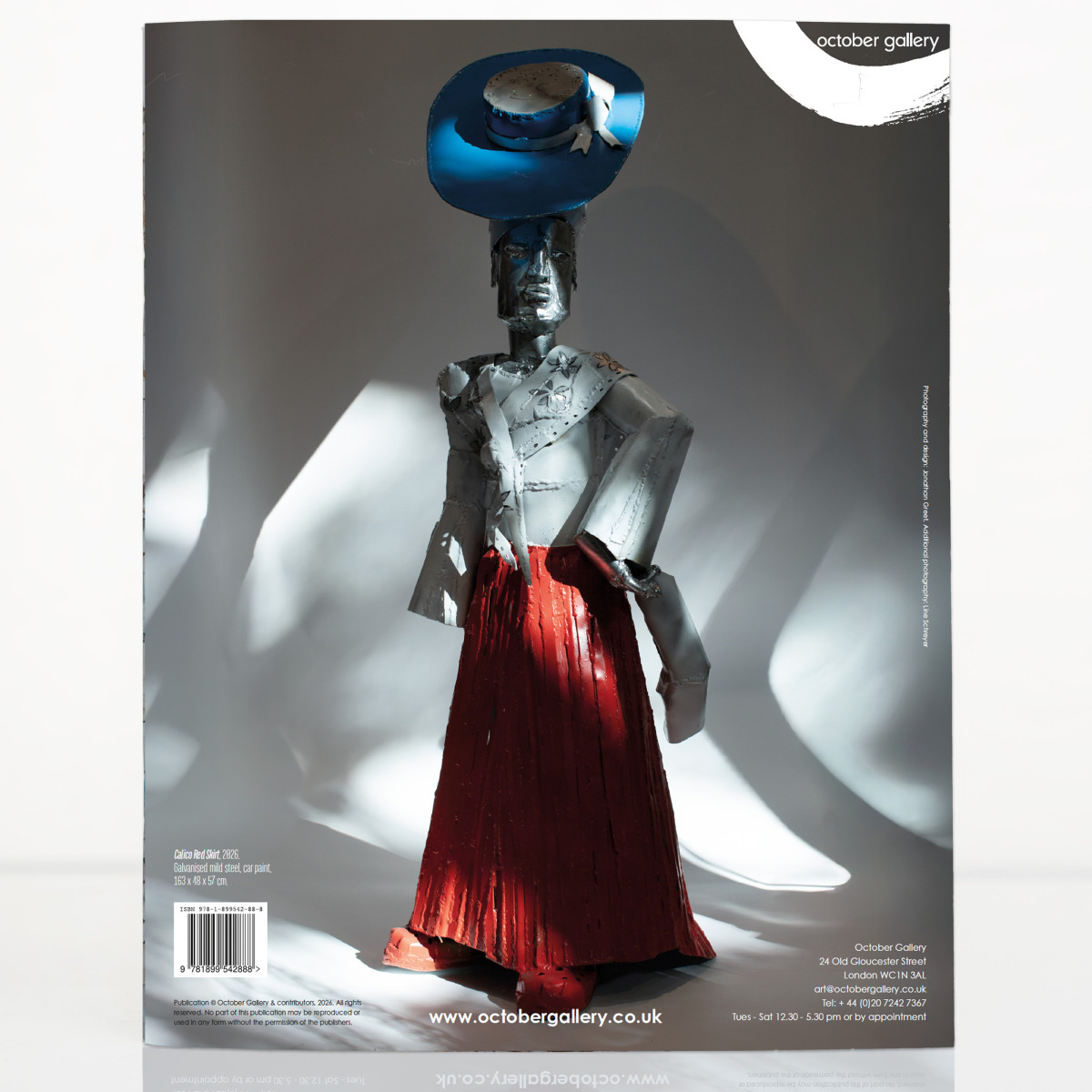
Internationally renowned artist Sokari Douglas Camp primarily works in galvanised sheet steel. Her work often explores themes of trade, power and colonialism within an African and Caribbean context. The presentation includes Bird of Paradise, 2025, a vibrant female figure modelling yellow and red garments with a bright display of flowers. Her sculptures frequently evoke the substantial frames of formidable African matriarchs. Despite Douglas Camp’s weighty subject matter, her works retain a playfulness and agility that reflects her impressive skills as a sculptor. Douglas Camp comments upon how people of diverse ethnicities, social positions and occupations effected the emergence of distinctive sartorial cultures across the Atlantic world by imbuing material fabrics and modes of dress with new meanings. Her solo exhibition, Fashion and Fortune opens at October Gallery on 21st May and continues to 27th June, 2026. Douglas Camp’s work is also exhibited in The Music is Black: A British Story, the first exhibition to be held at the V&A East Museum, London.
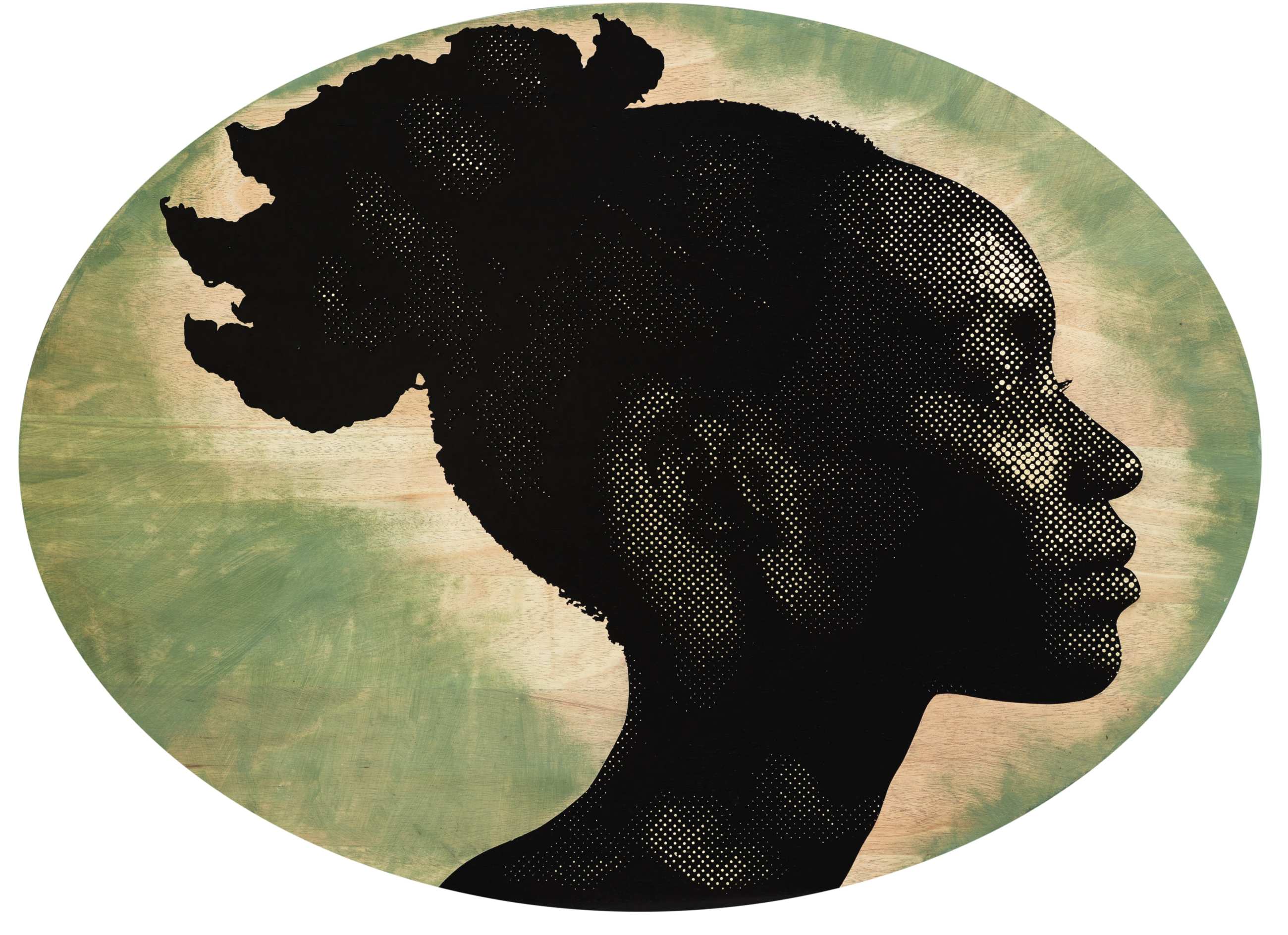
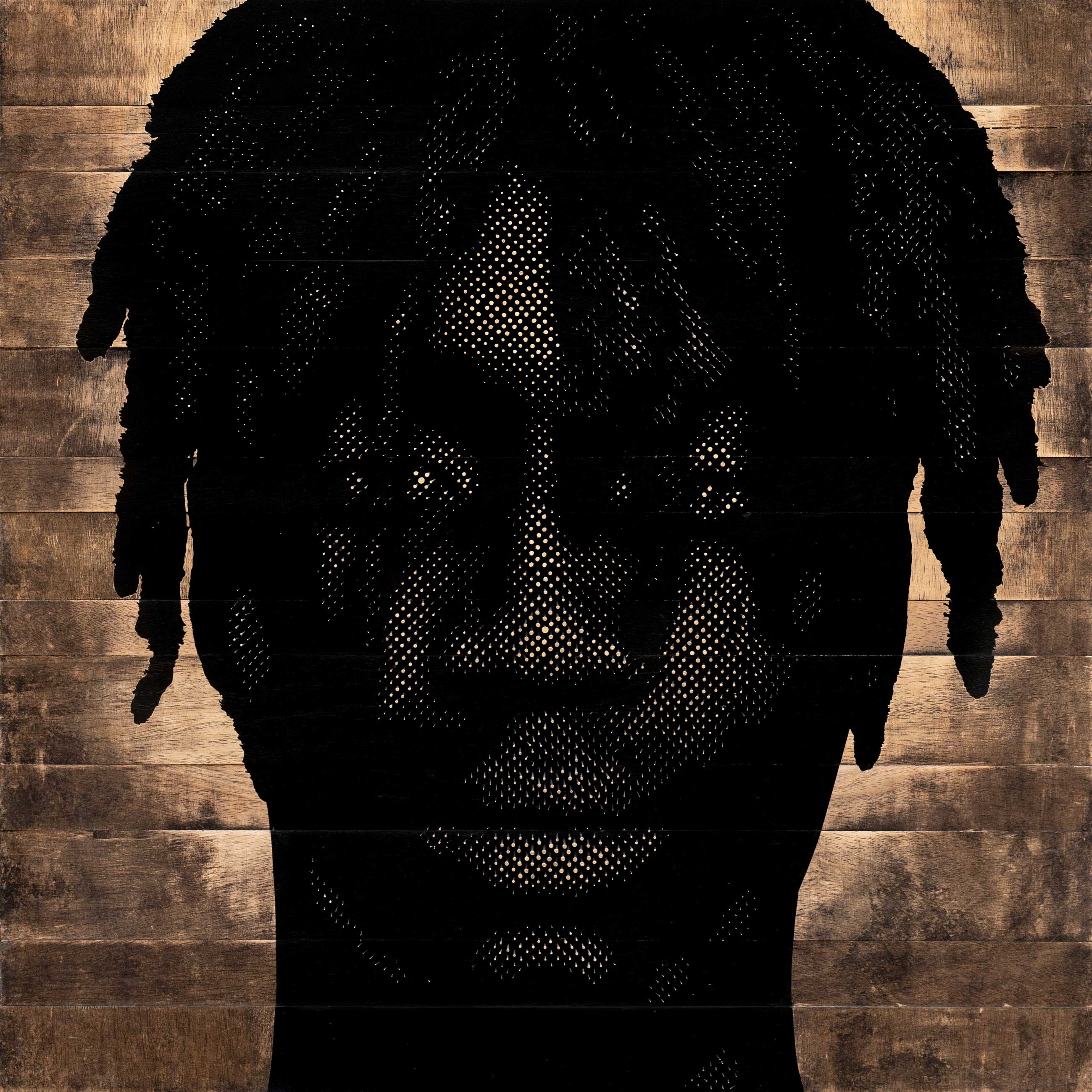
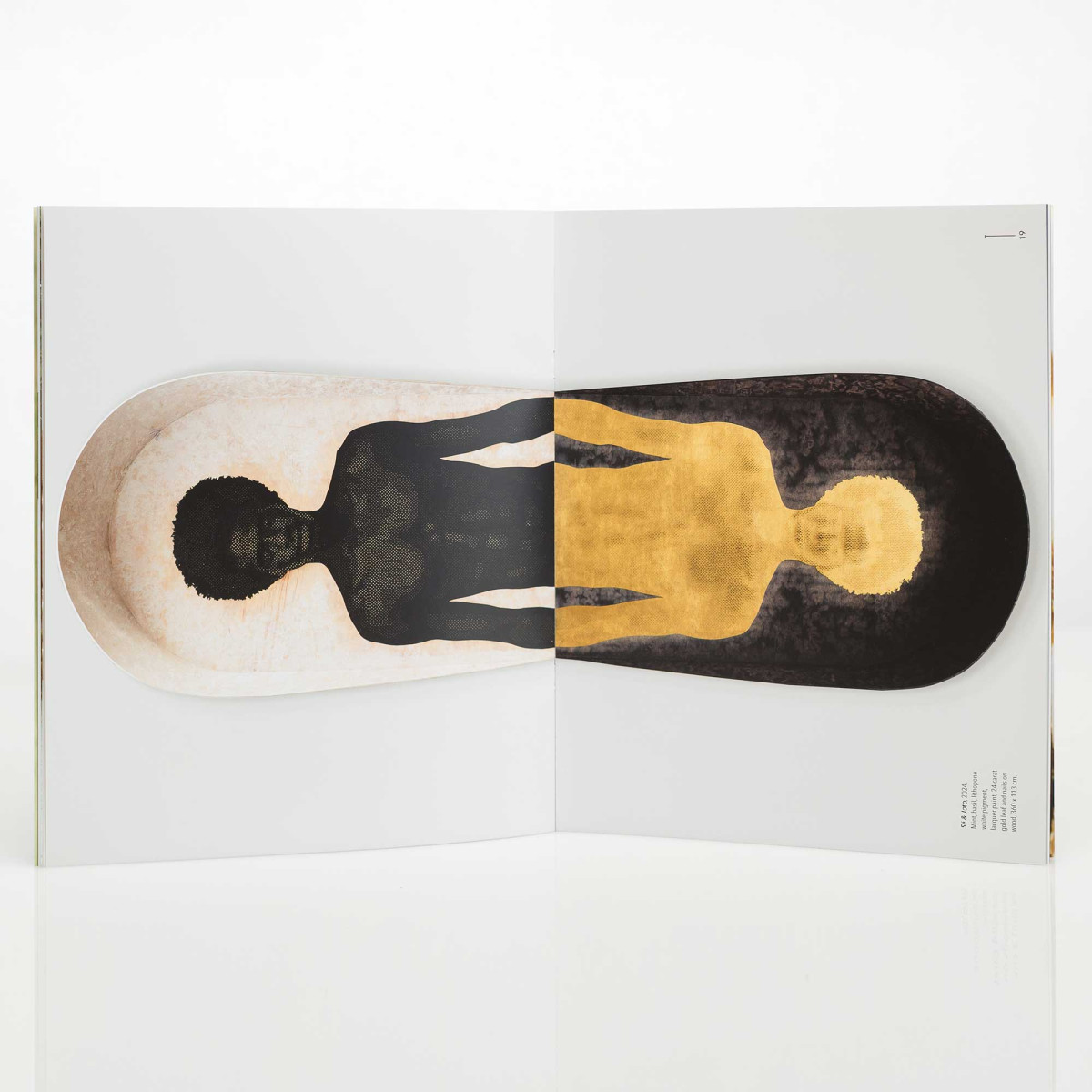
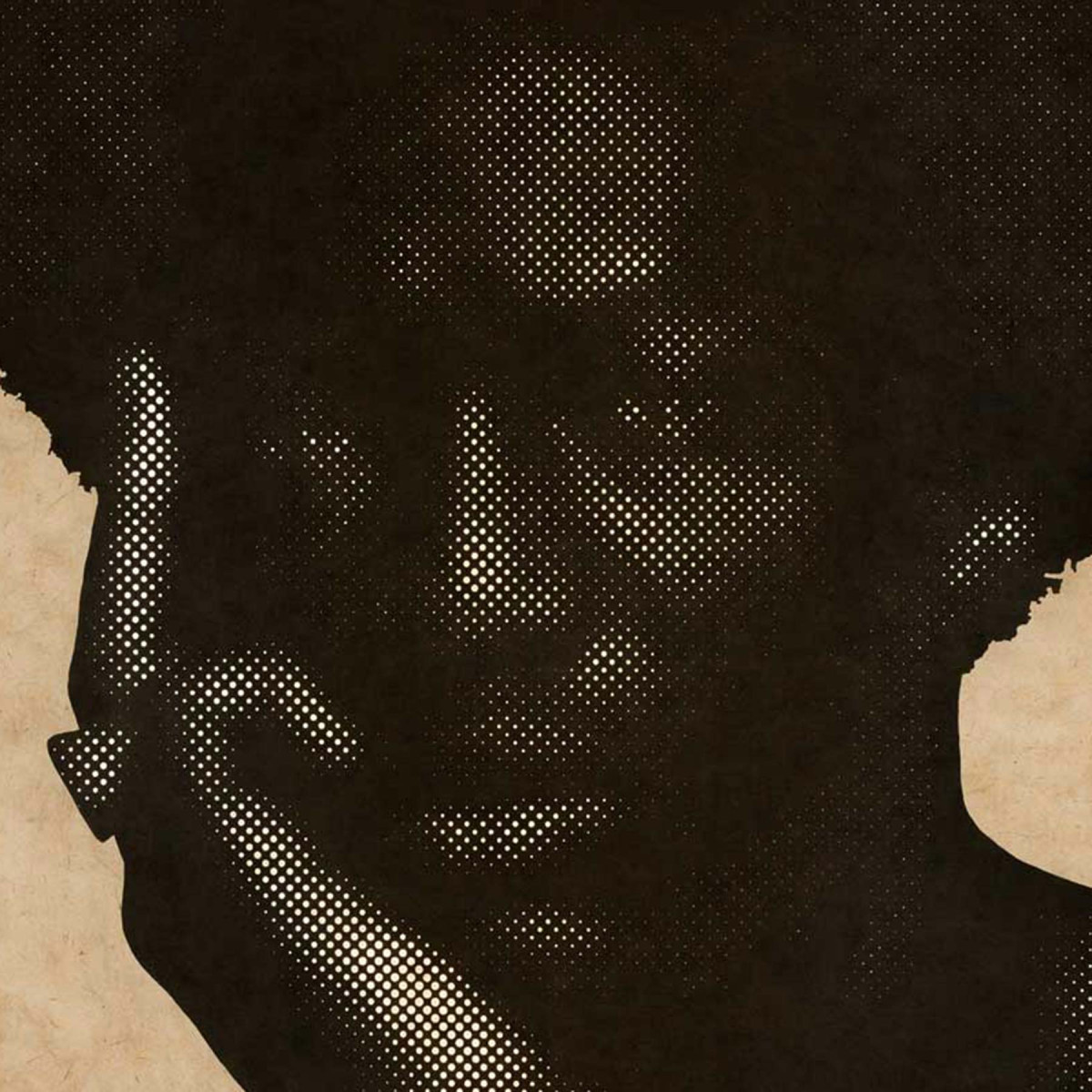
Other sculptural works include remarkable large-scale ‘portraits‘ of the African diaspora by Alexis Peskine, which are rendered, in precise detail, by hammering nails of different gauges, with pinpoint accuracy into wood. On show is an impressive work titled Ikechukwu, created in 2021 during his residency in Florence. The ground for this striking work, a copper leaf nail ‘portrait’, comprises locally sourced earth pigment from the river Arno. Peskine often reflects on his own multicultural heritage by making his pieces in a variety of places. The rich profusion of overlain colours and materials builds to create a complex visual narrative charged with the echoes of centuries of exploitation.
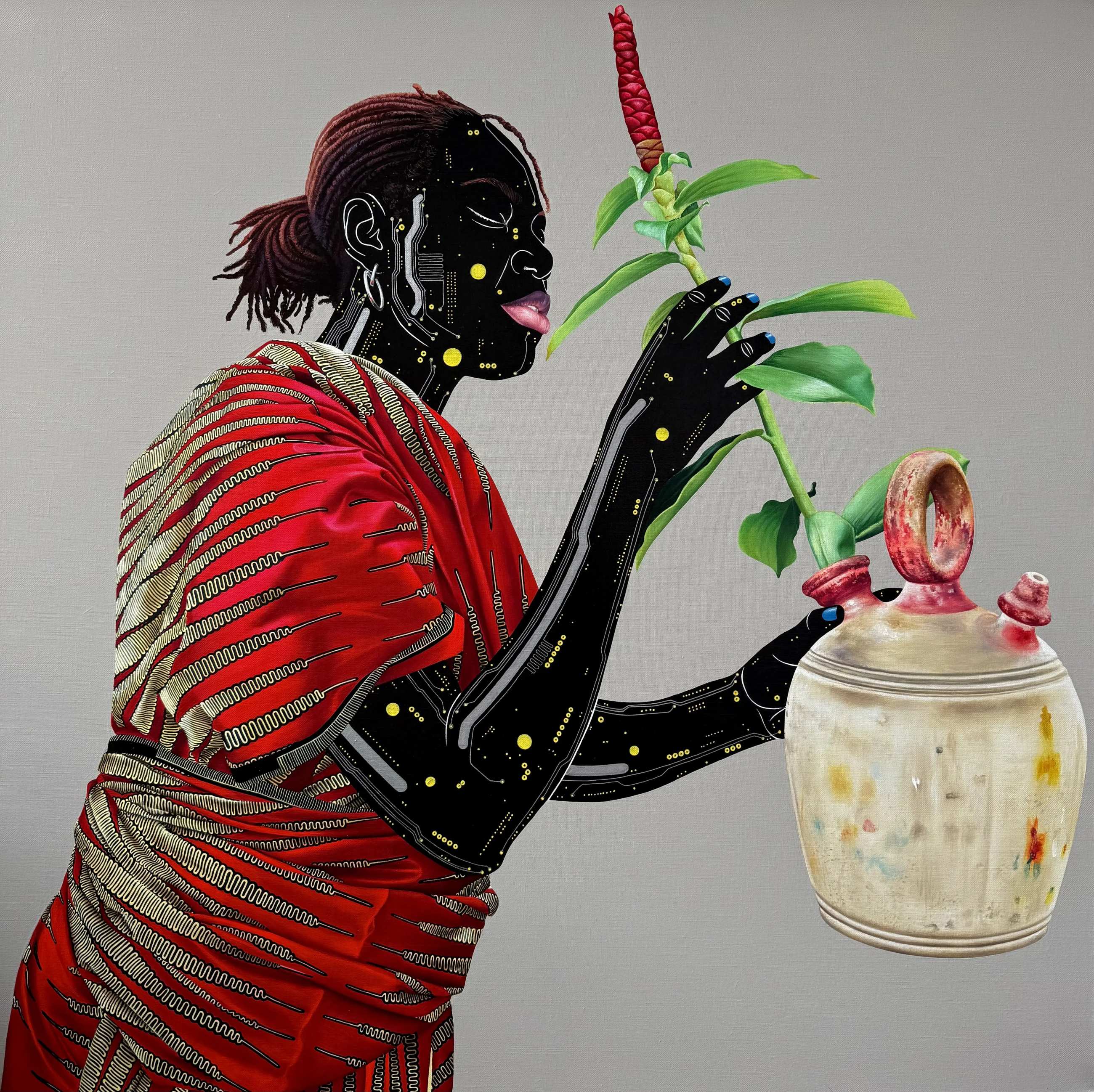
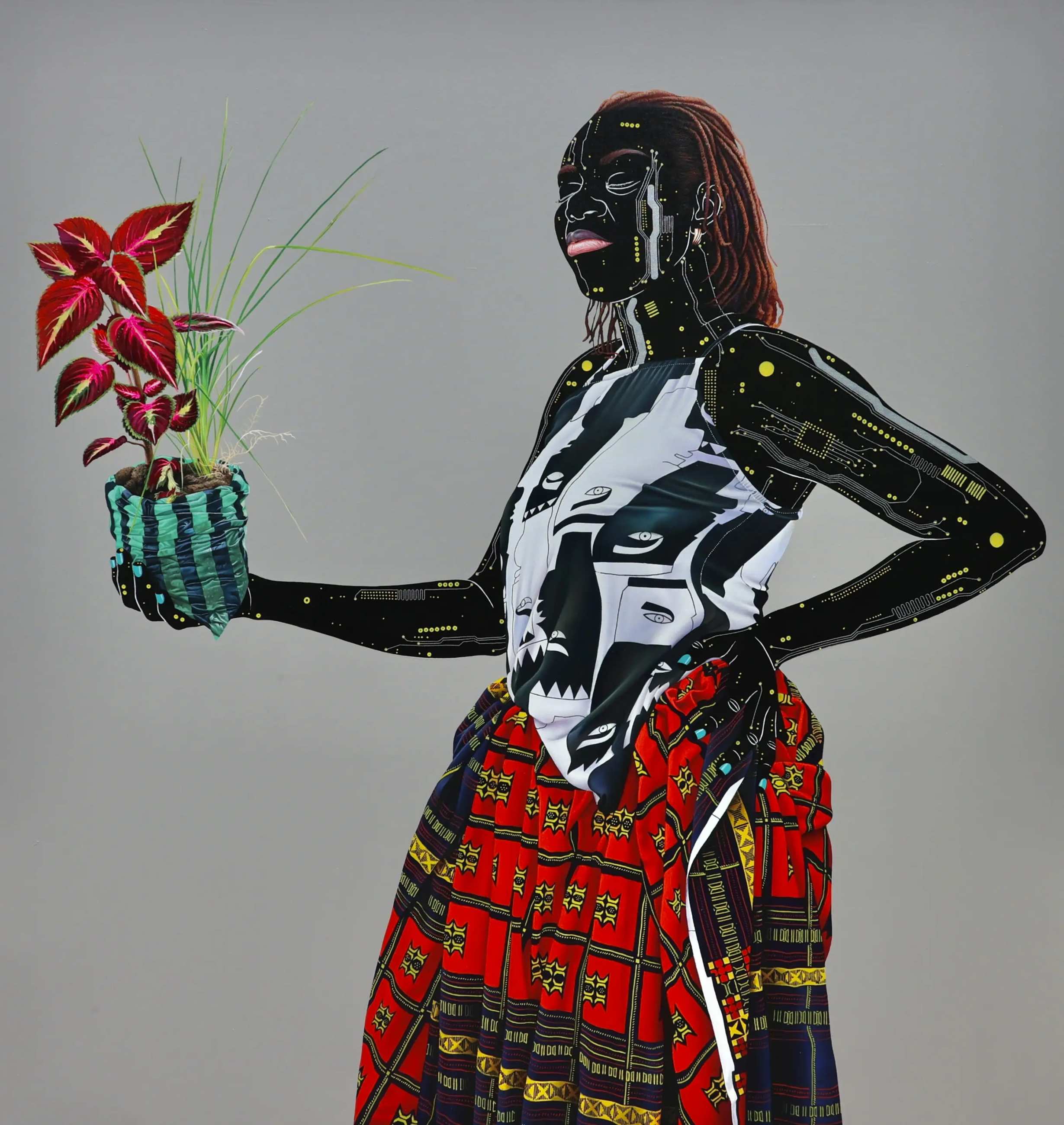
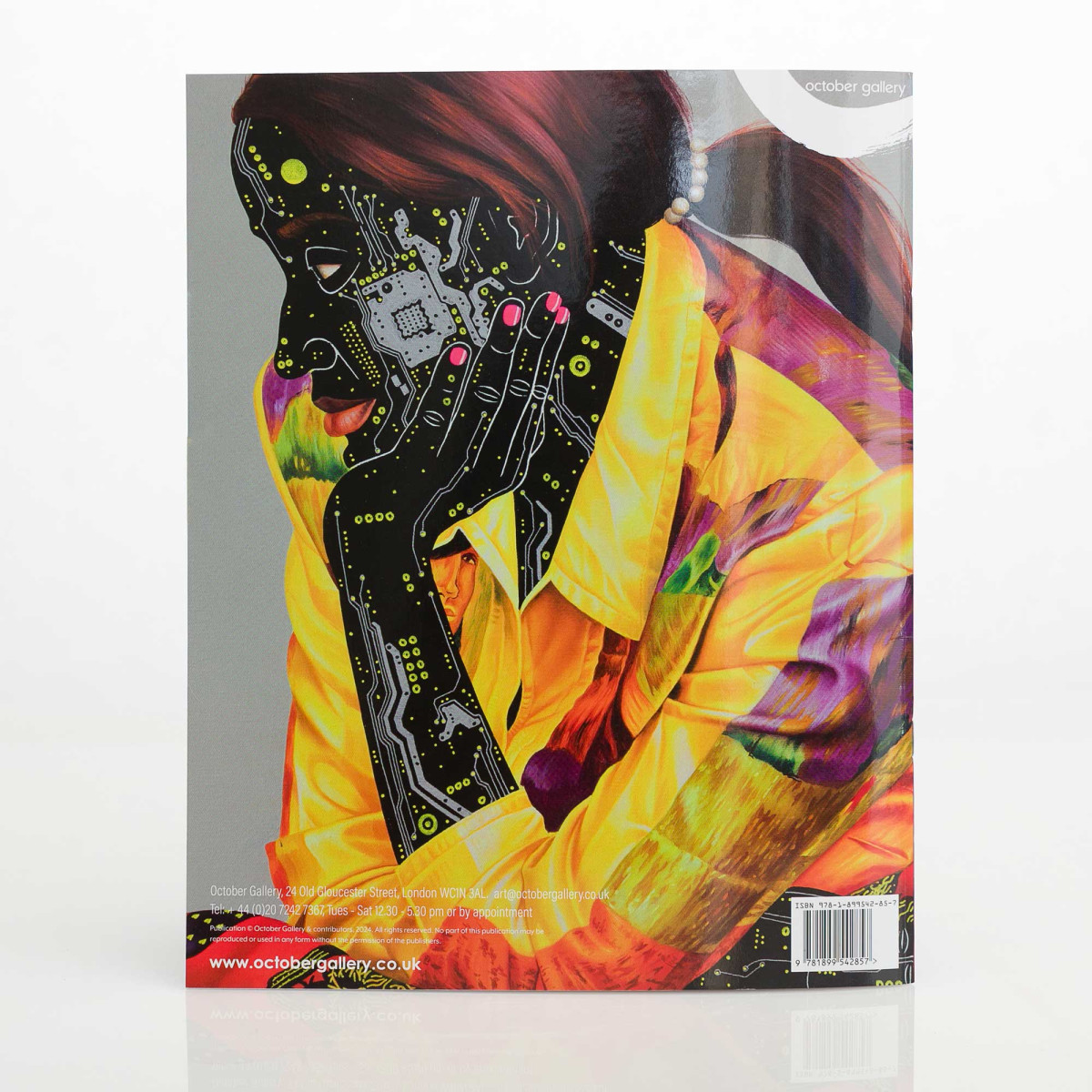
Recent paintings byacclaimed artist Eddy Kamuanga Ilunga are also presented. Displacing the Living, 2025, is a striking work that portrays two female figures dressed in ‘African’ cloths imported from abroad, with one figure holding flowers that intertwine past and present realities of those living in the DRC today. Depicted with painterly prowess, the microchipped skin of Kamuanga’s figures suggest his ongoing concern about the continuing exploitation of both ‘men and minerals’ in his native Democratic Republic of Congo. Kamuanga pays tribute to the strength of local communities, endowing his larger-than-life figures with a poignant, contemplative stillness, while situating heritage as a terrain of resilience and survival.
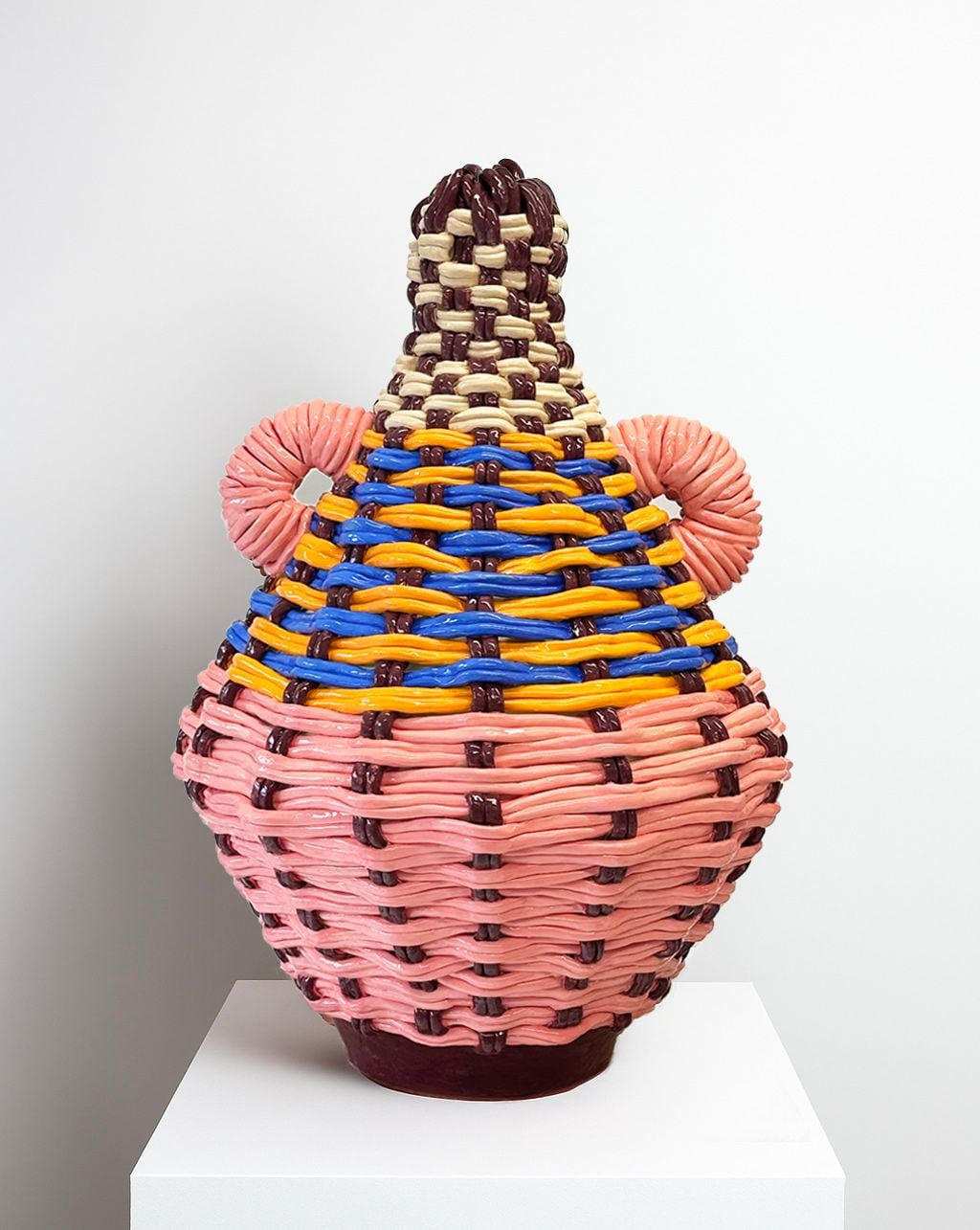
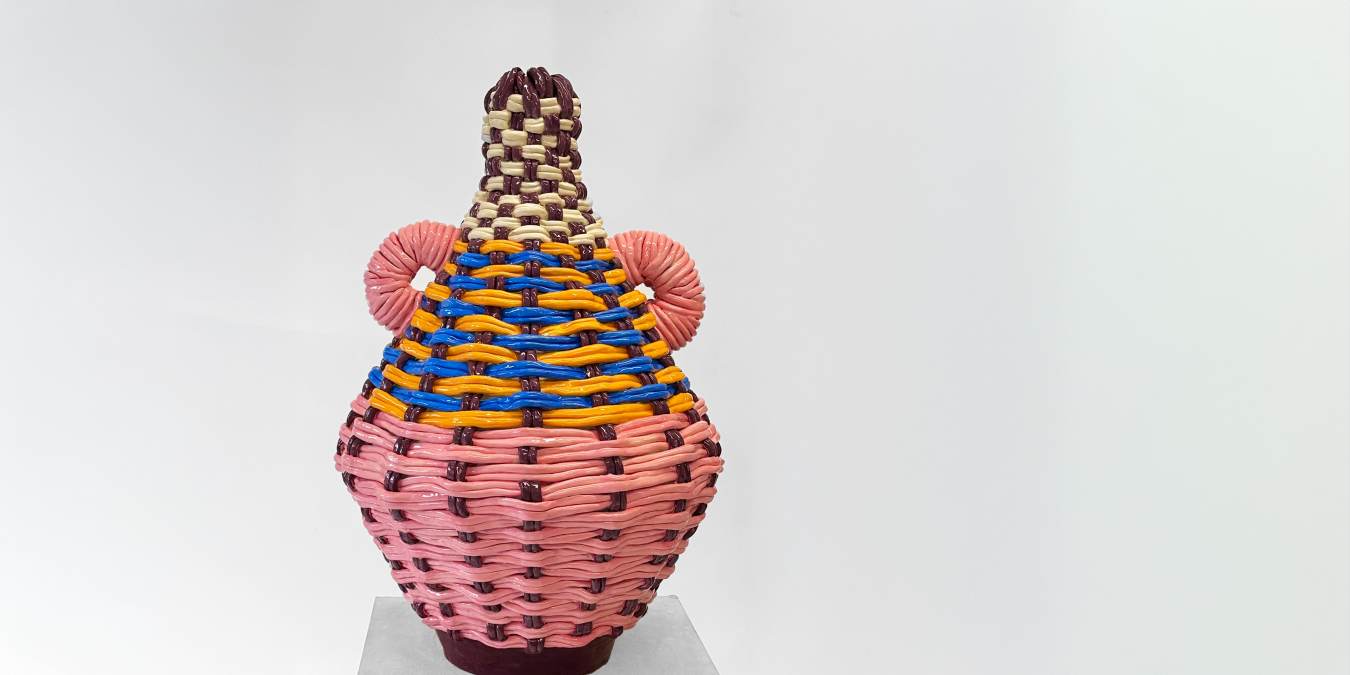
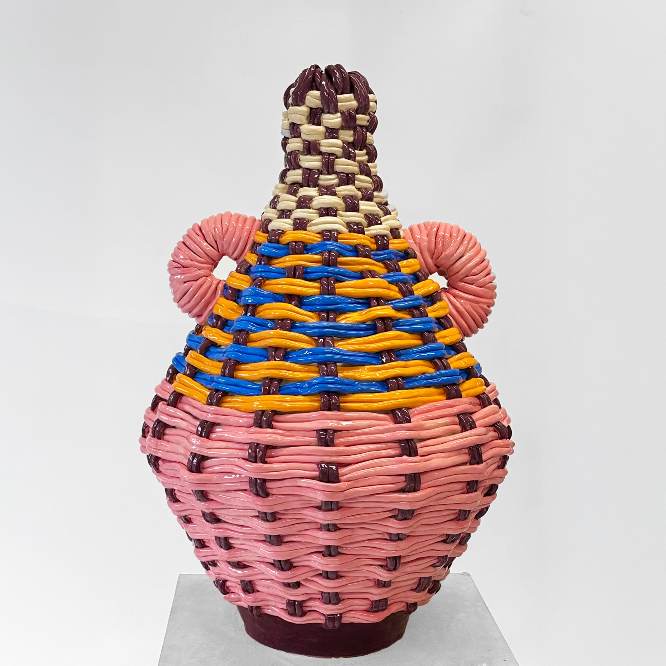
Other highlights on show are striking ceramic vessels by Xanthe Somers whose work is informed by post-colonial contexts, with reference to Zimbabwe, her country of birth. Somers’ intricate artworks are hand-coiled in traditional fashion before being disturbed by having their surfaces punctured, woven or enhanced with meticulously painted details. By knowingly combining excessive ornamentation with veiled political commentary, Somers draws attention to women's work, exploitation of cheap labour and the impact of eco-racist practices throughout the Global South. Xanthe Somers will exhibit new works at October Gallery this July along with paintings by Yacout Hamdouch and photographs by James Barnor.
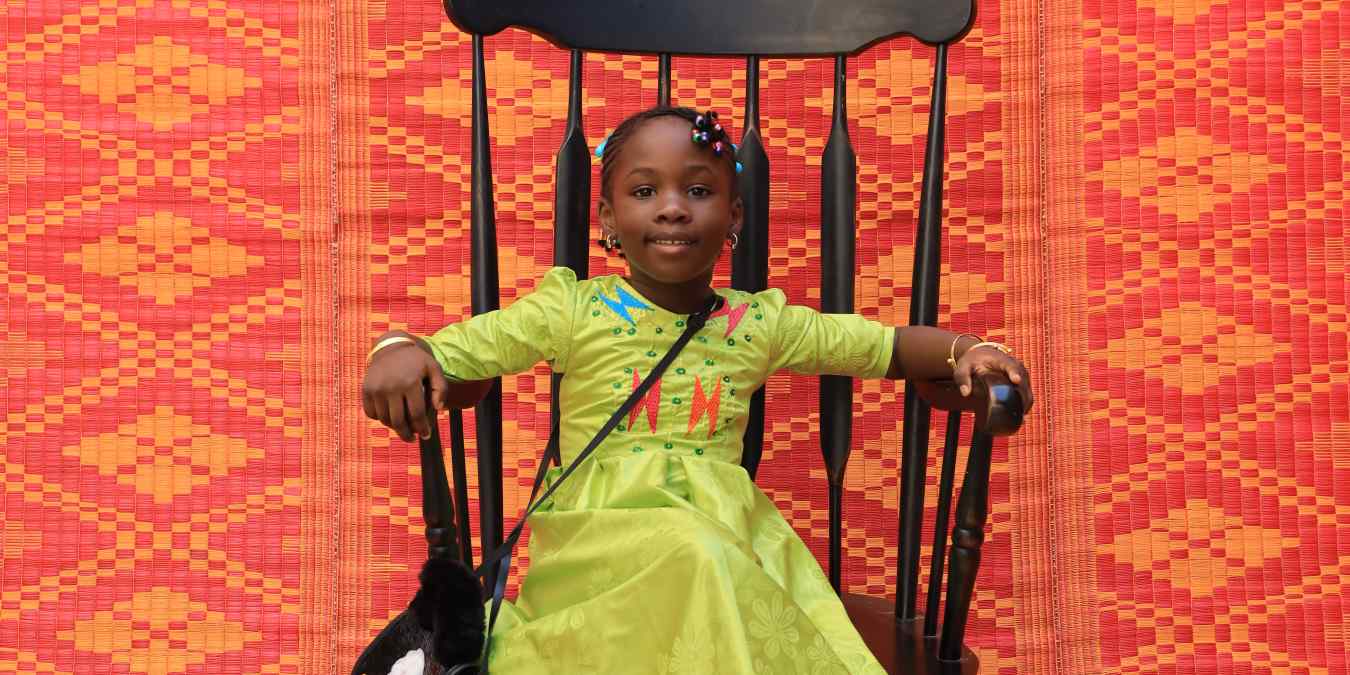
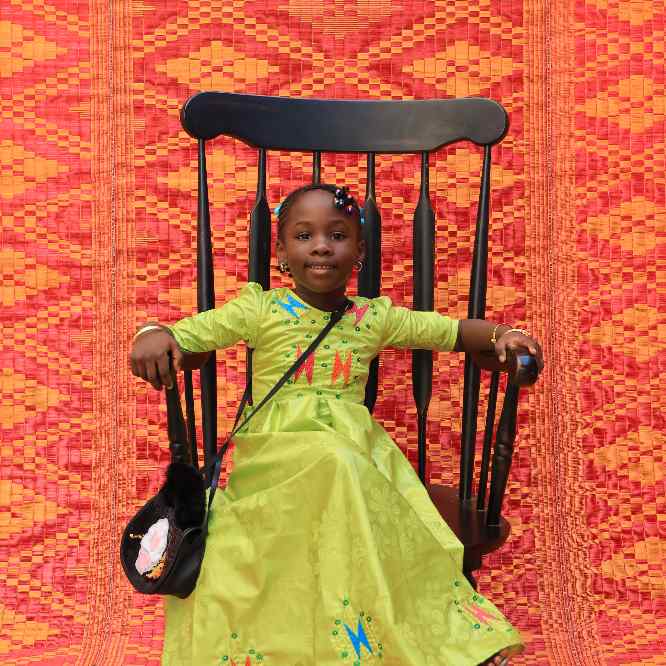
Djibril Dramé exhibits bold photographic works from his series Ndewendeul, which he commenced in 2010, as an exploration of the spiritual values of the Baye Fall Sufi brotherhood—an unorthodox yet powerful community within the larger Islamic world. While the project is rooted in his close relationship with his Sufi “brothers” and “sisters,” it also extends beyond them, inviting the presence of the “other” and opening a broader dialogue about community, identity, and belonging. In 2014, Dramé developed the first major iteration of the series by setting up a portable studio in Dakar, Senegal. This allowed him to capture intimate moments of sharing and joyful celebration during traditional Eid festivities. Dramé’s arresting images reverberate with the dramatic styles of individuals dressed in the vibrantly coloured patchwork fabrics characteristic of the Baye Fall brotherhood, whom he often portrays against patterned, industrial PVC canvases.