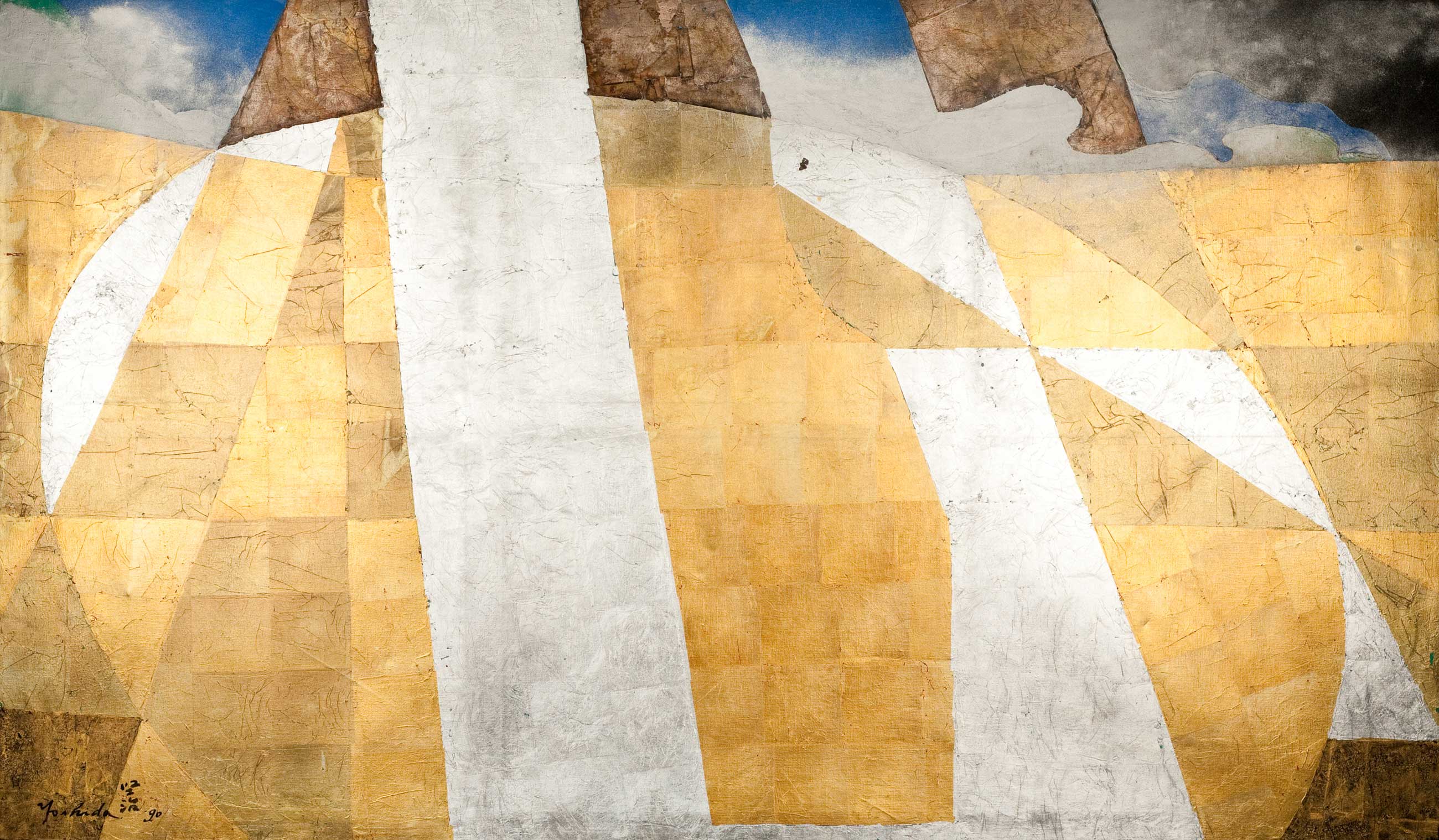
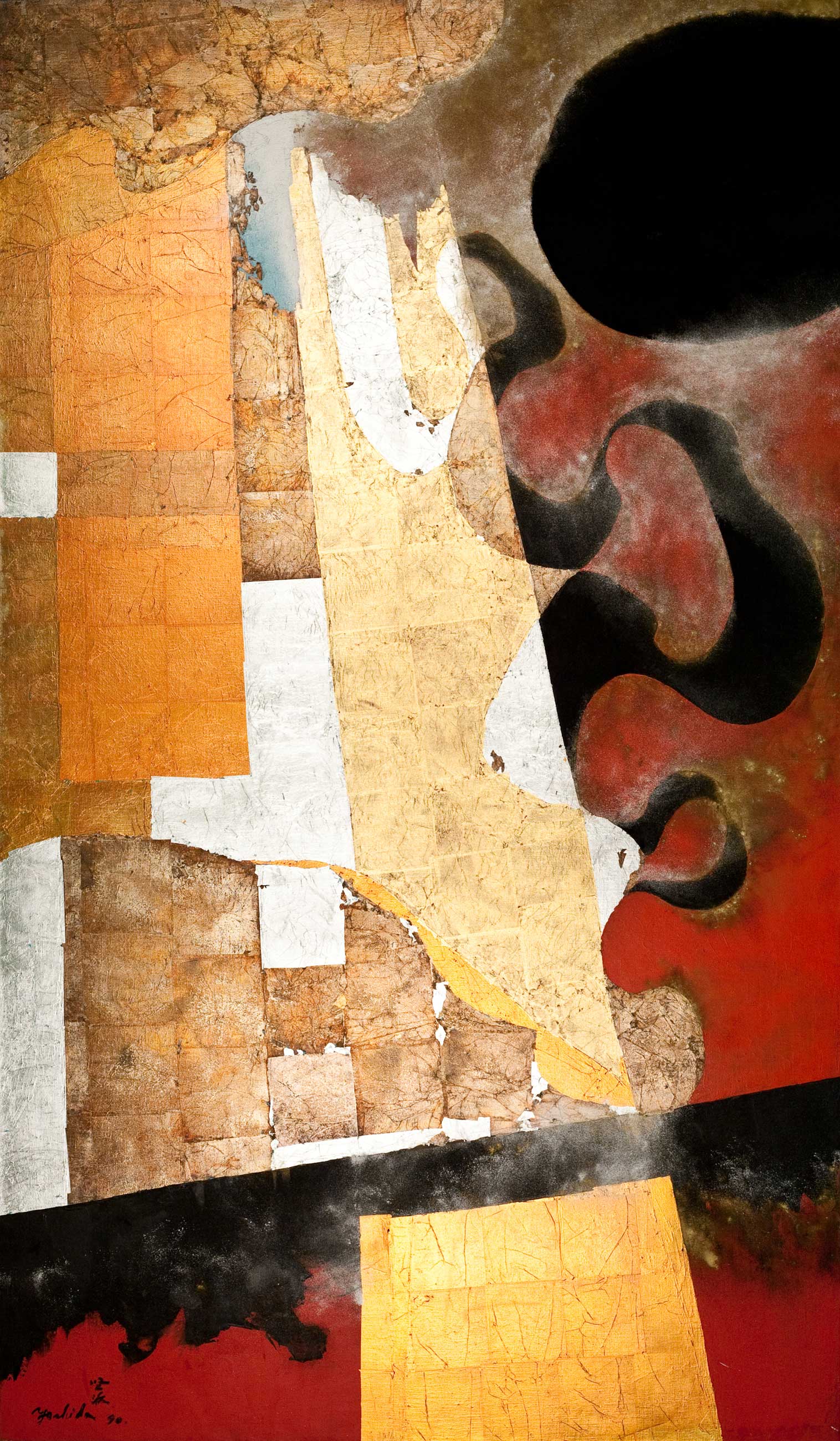
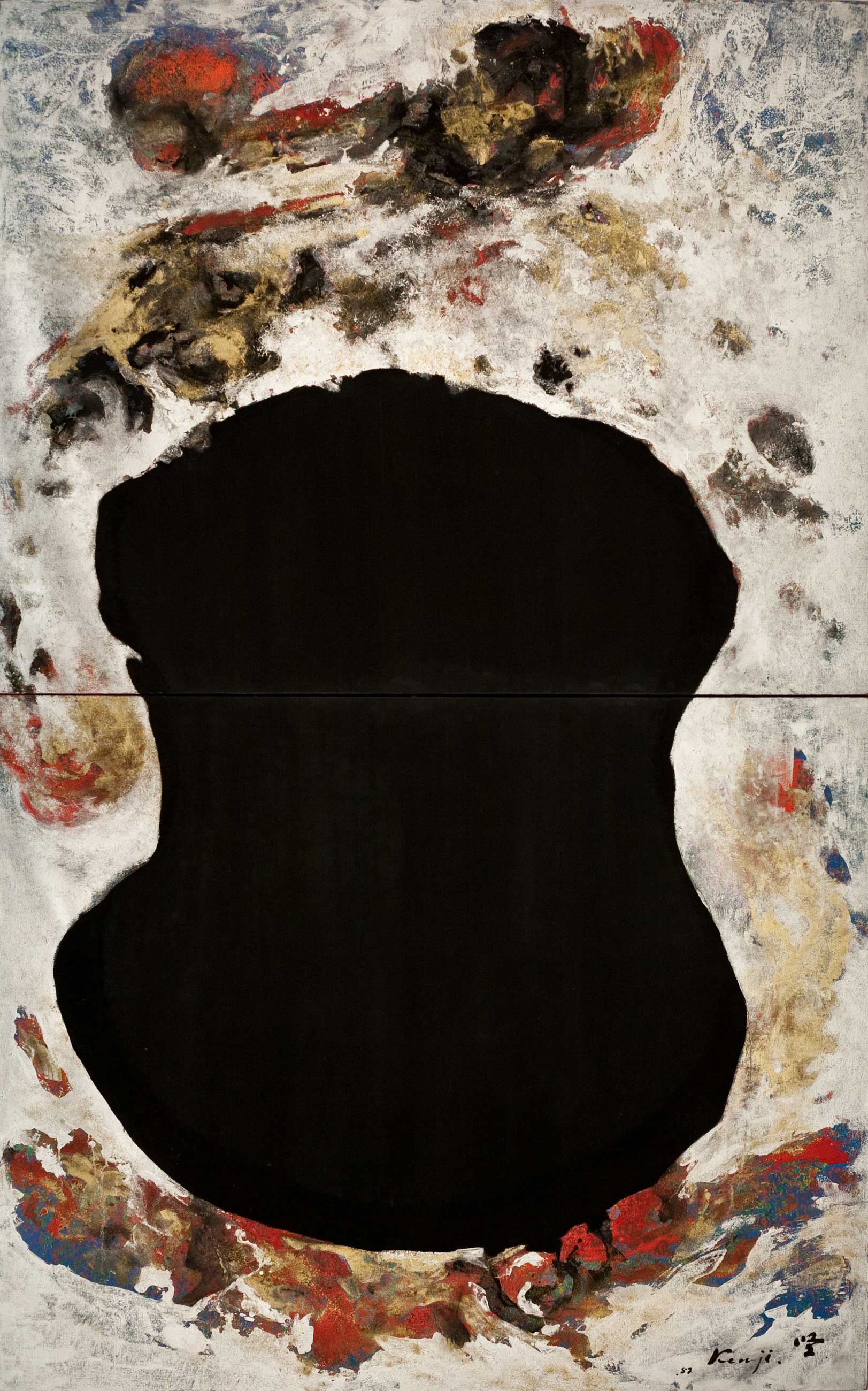
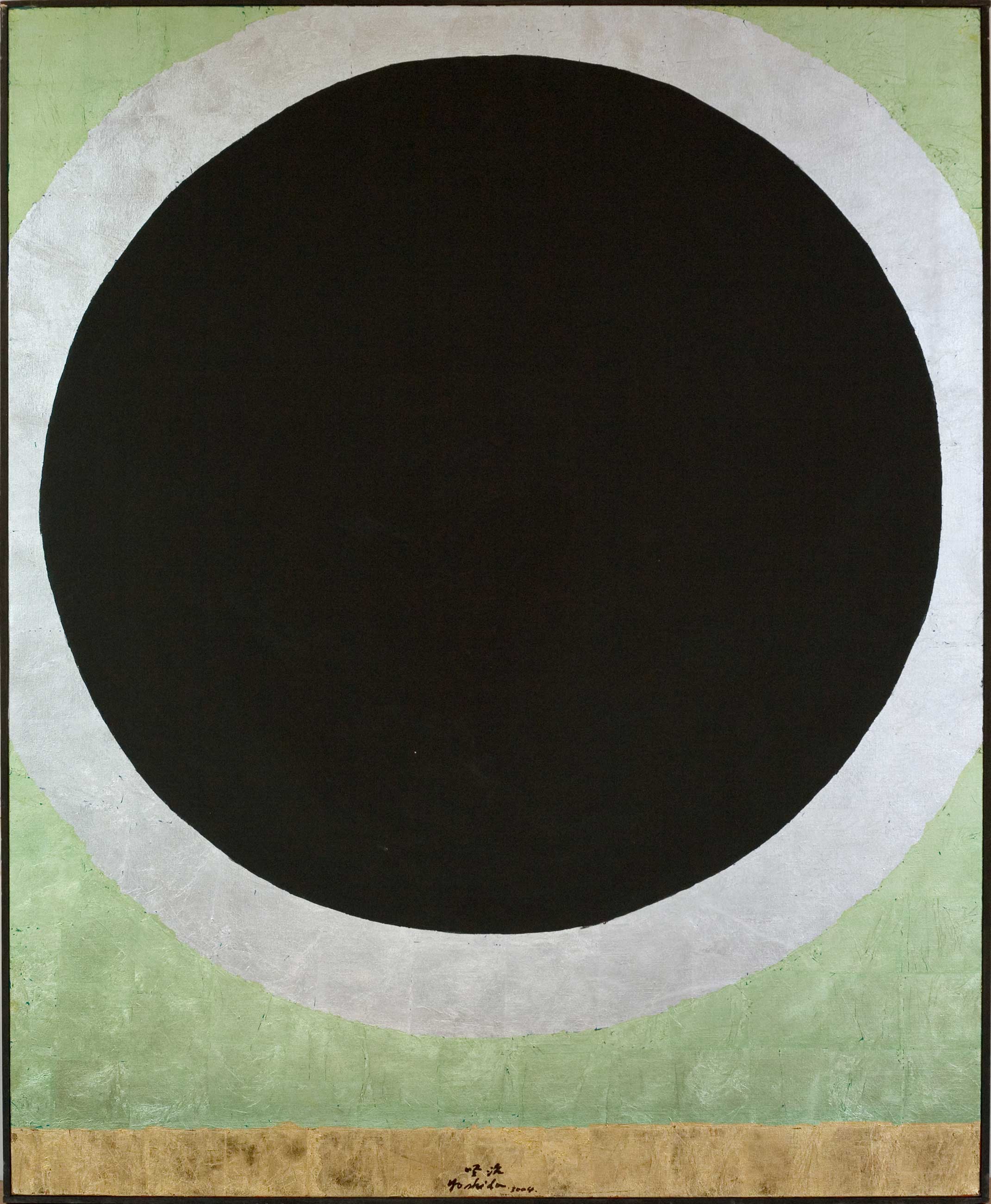
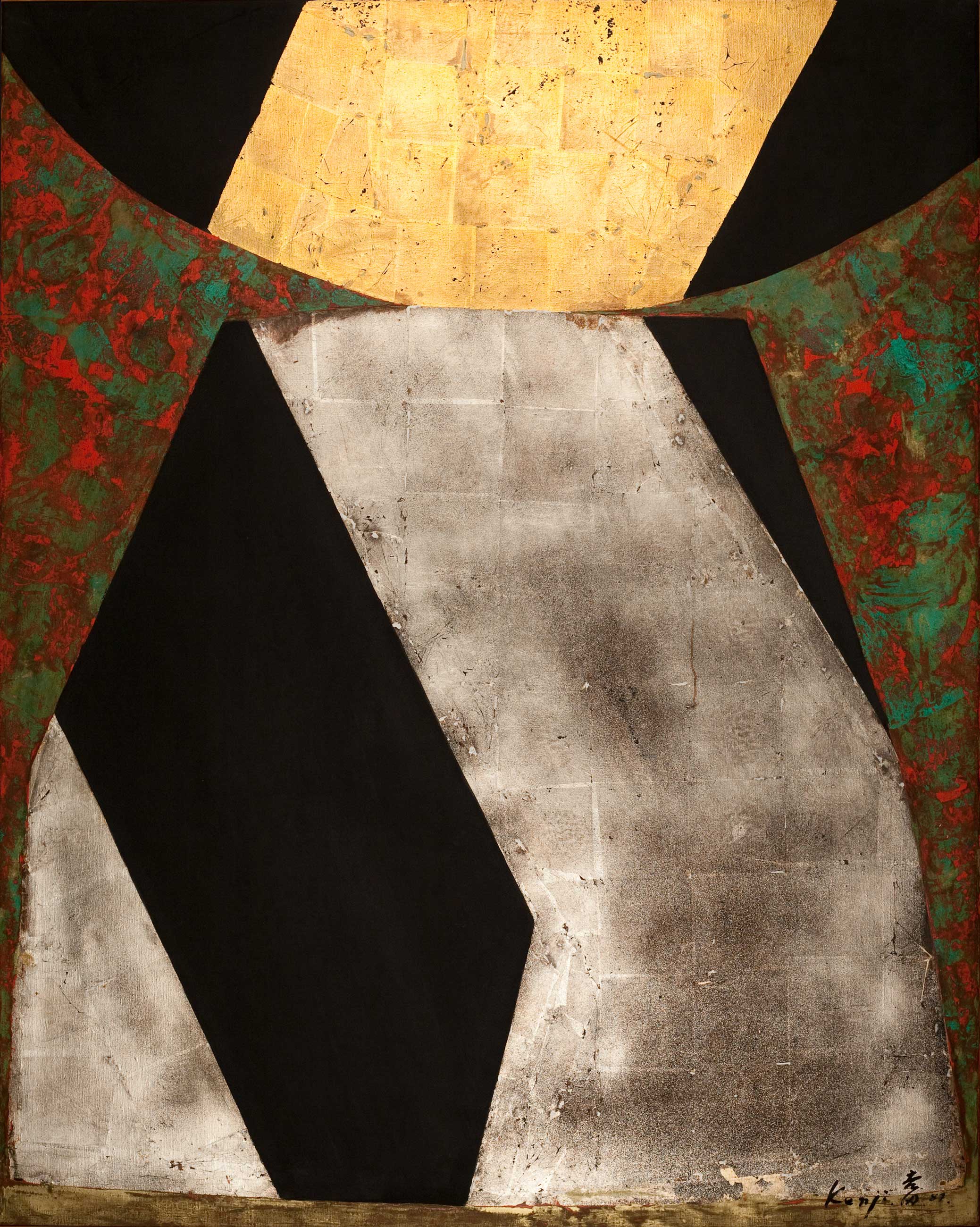
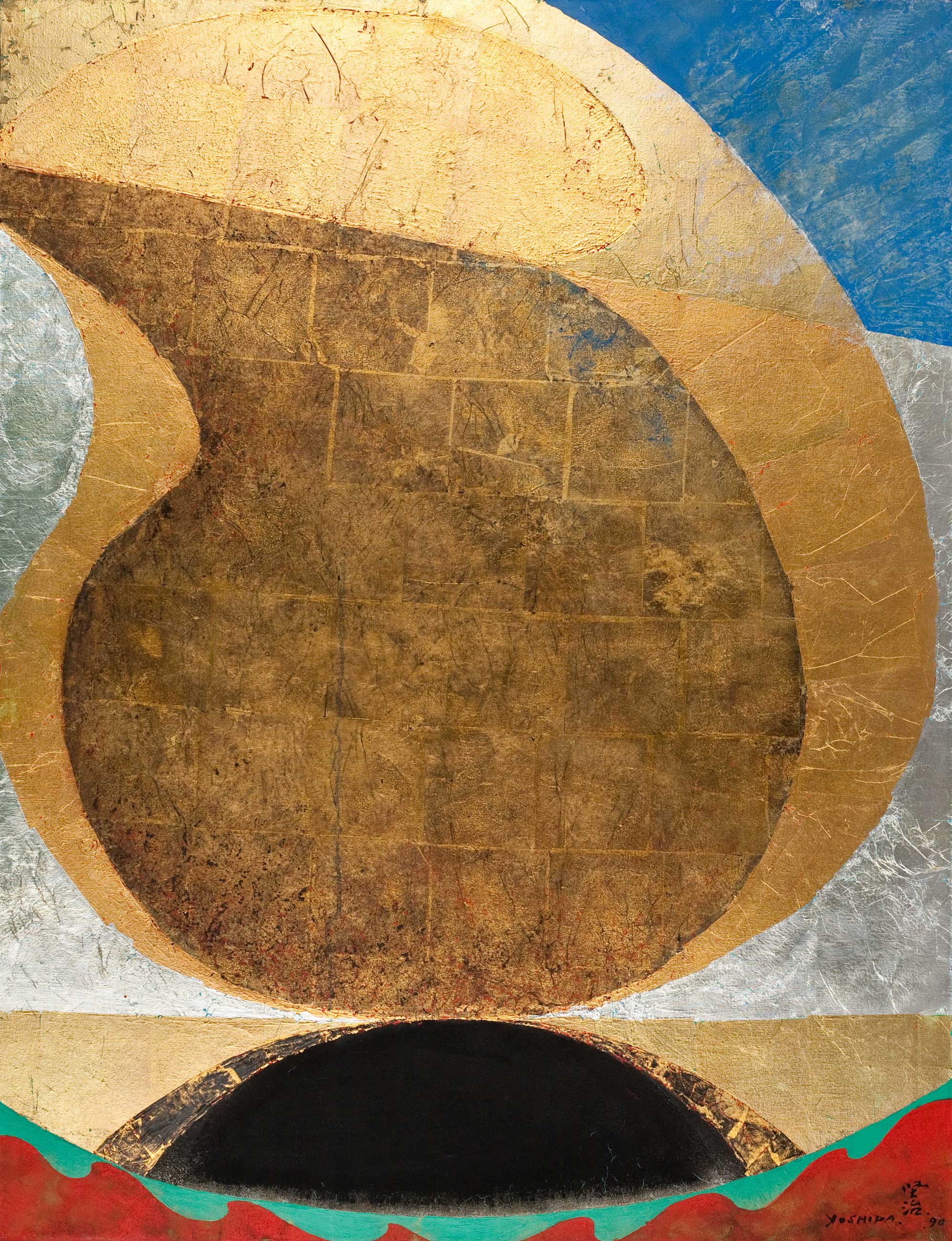
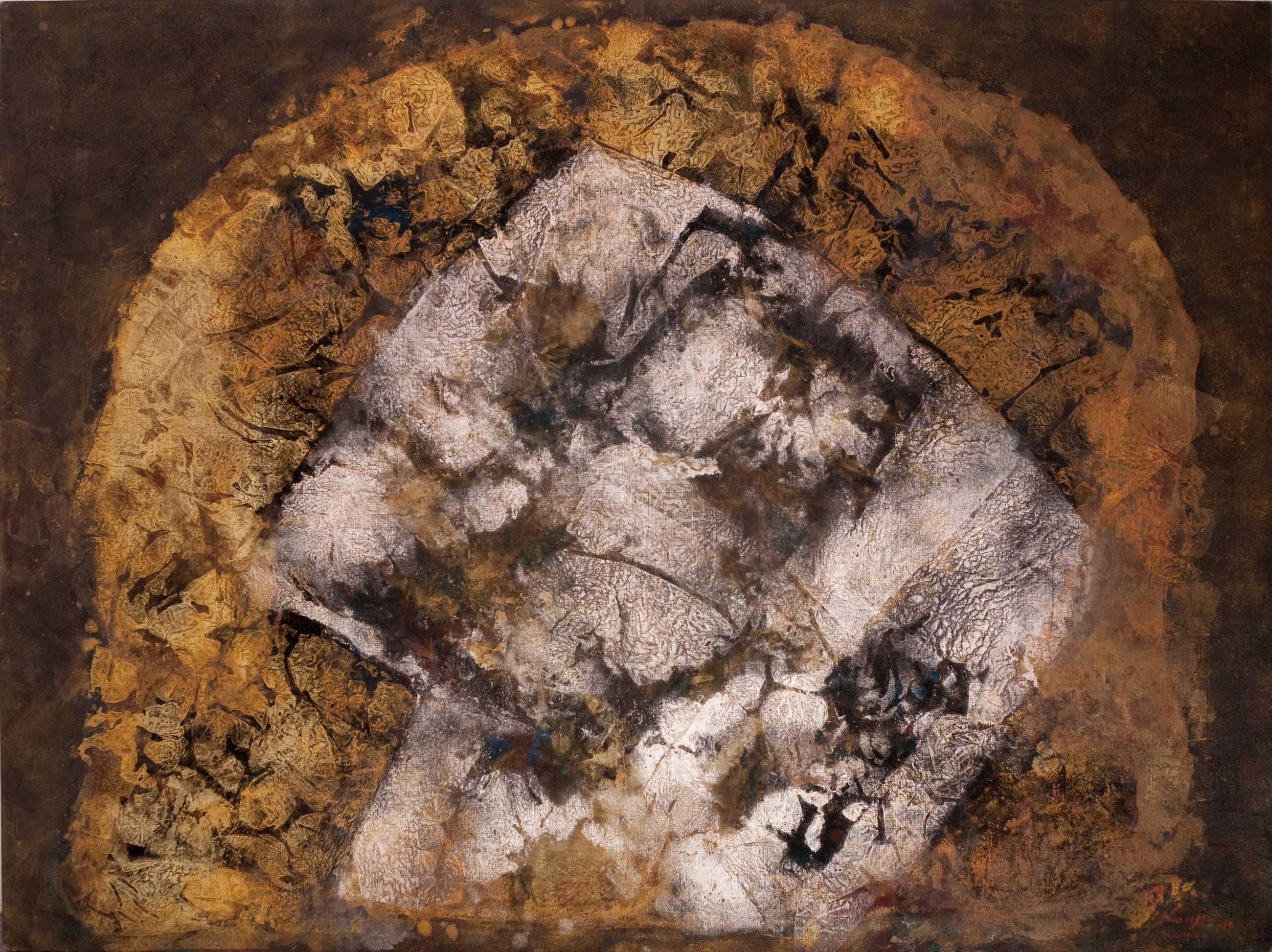
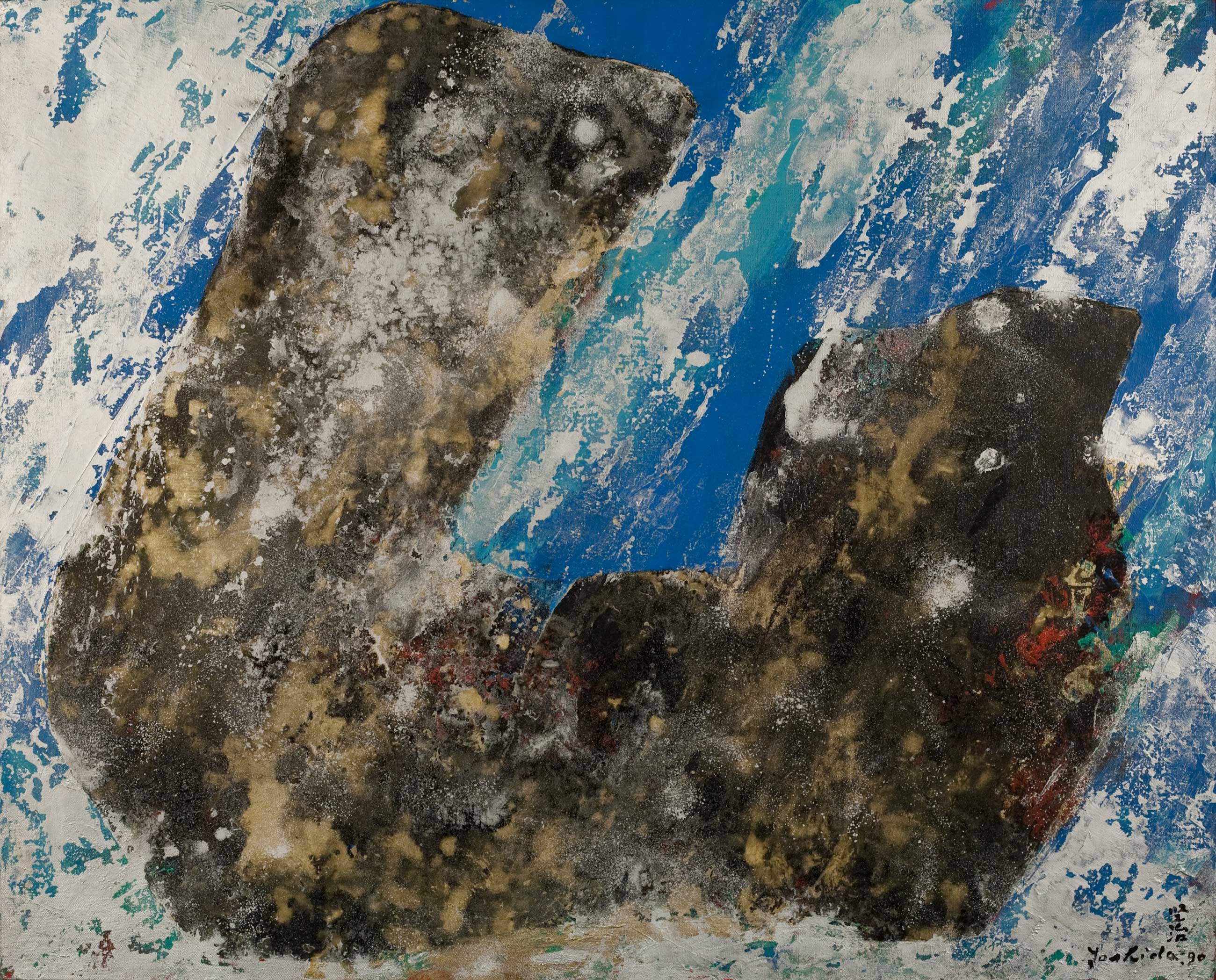
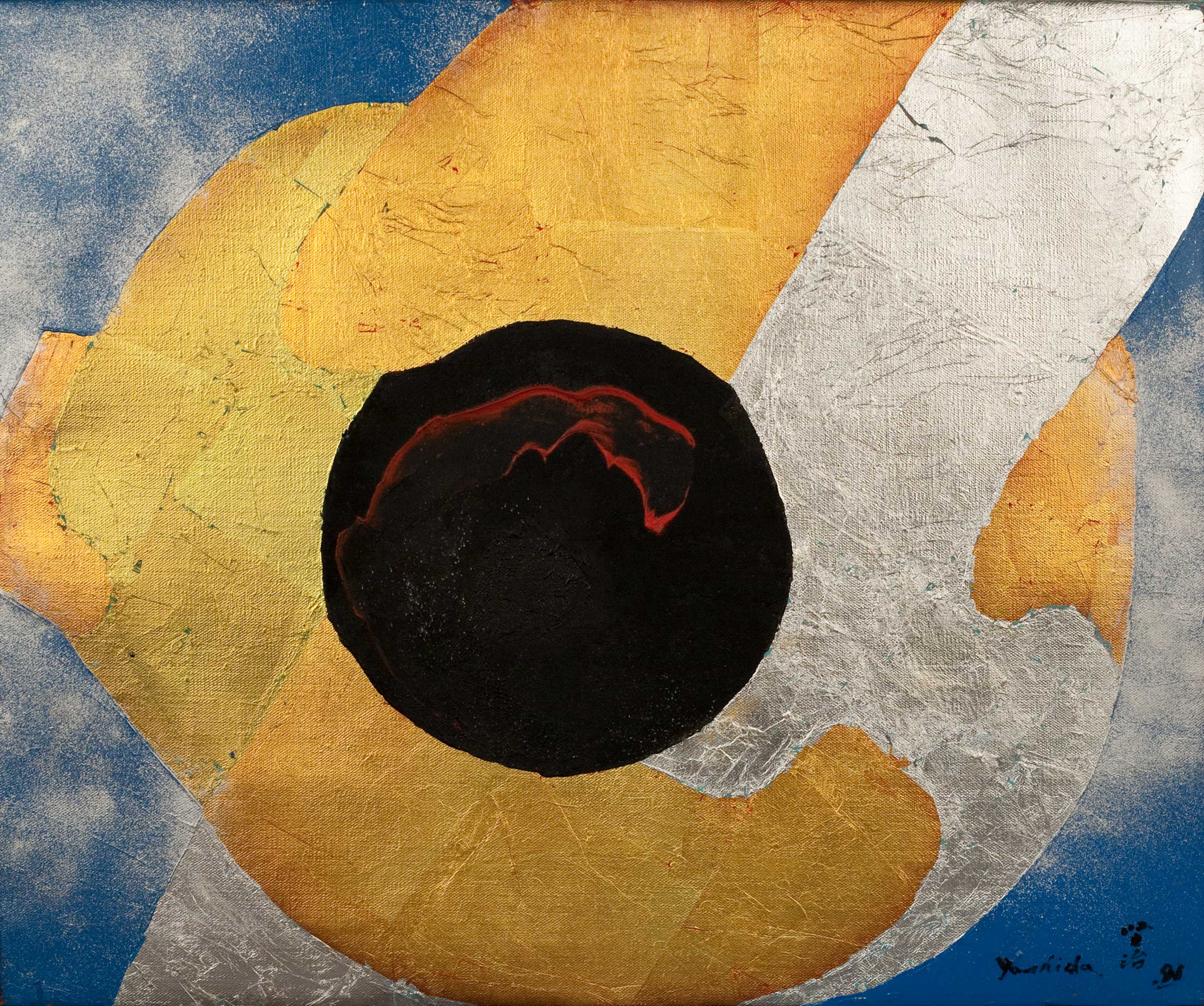
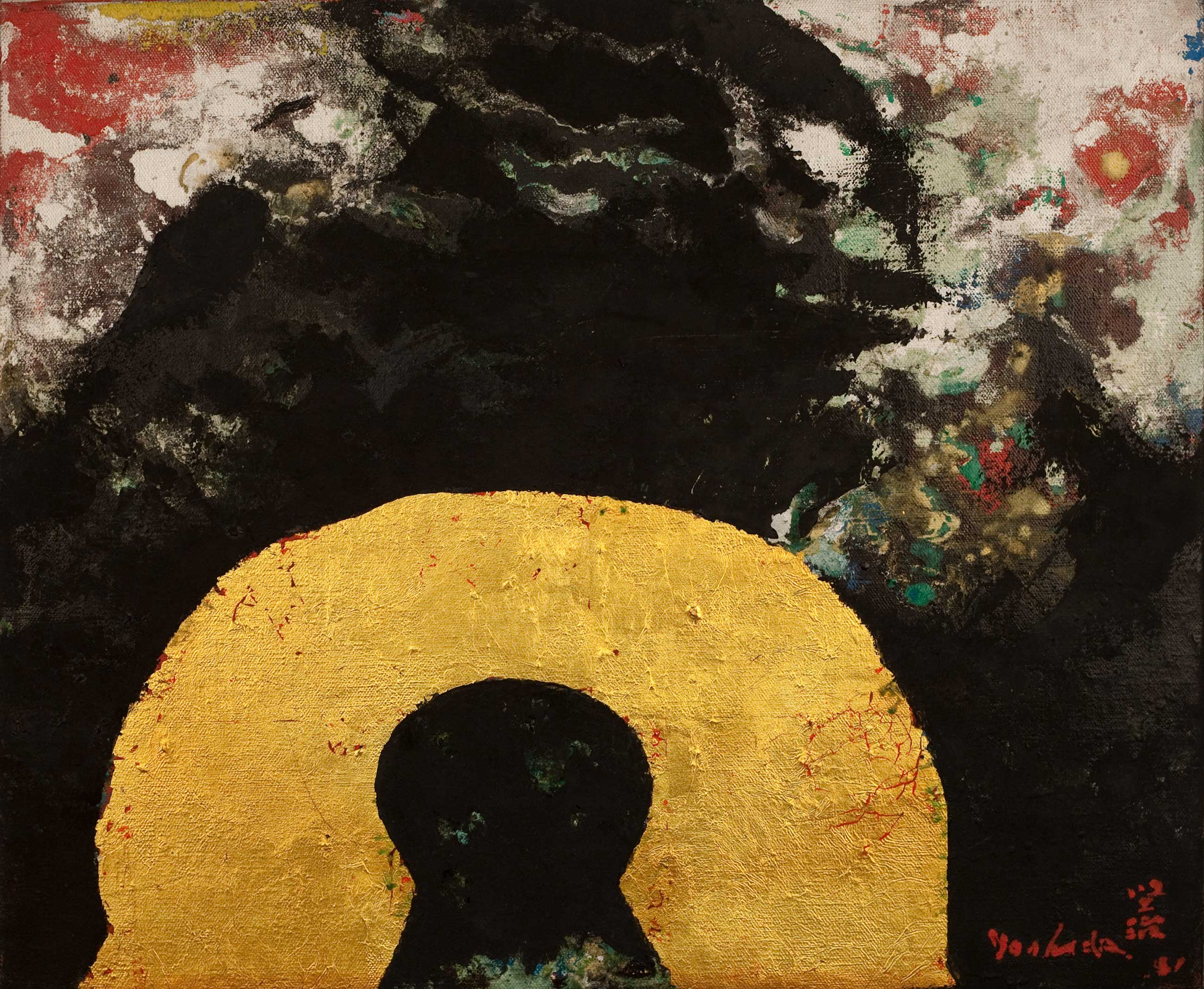
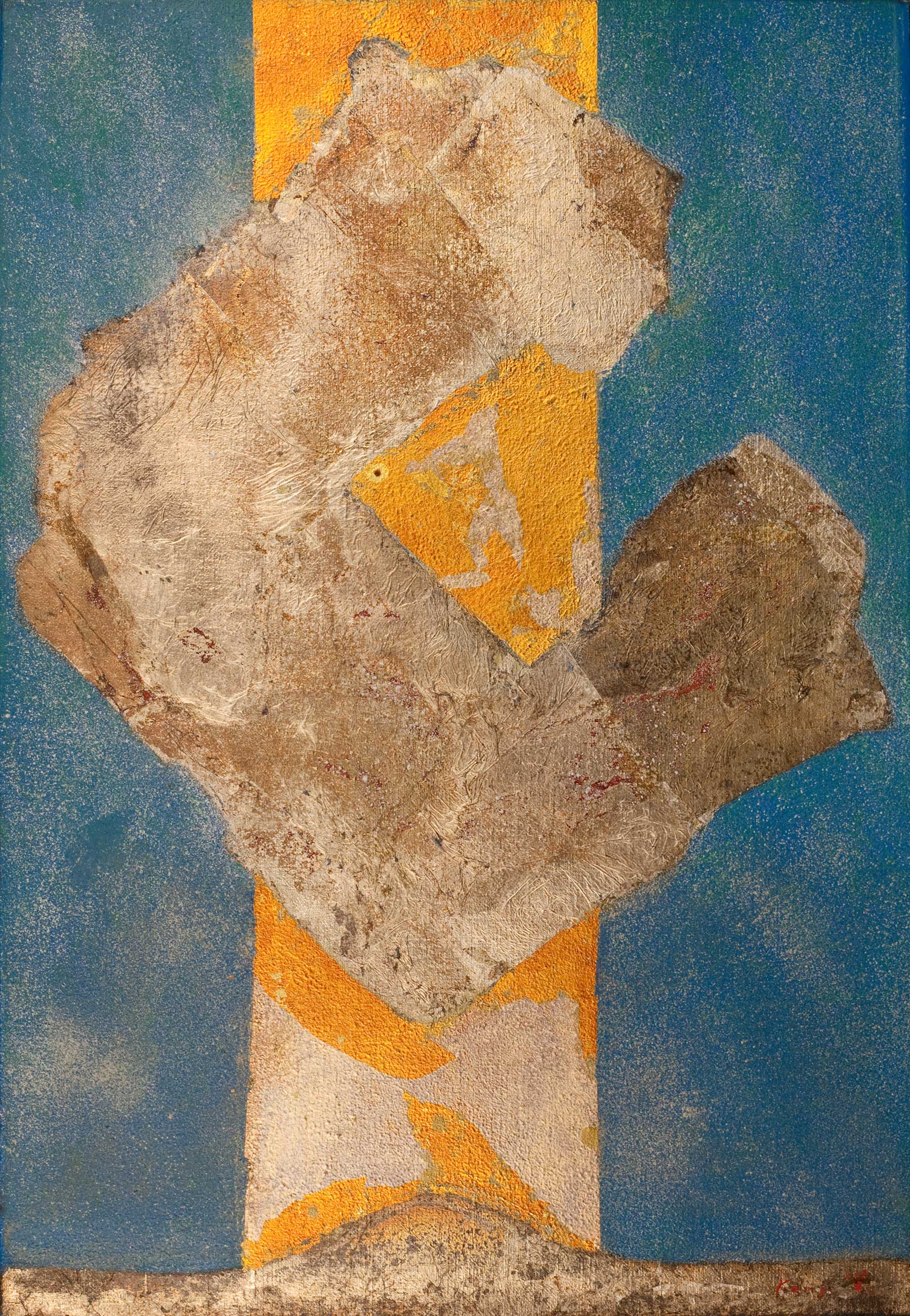
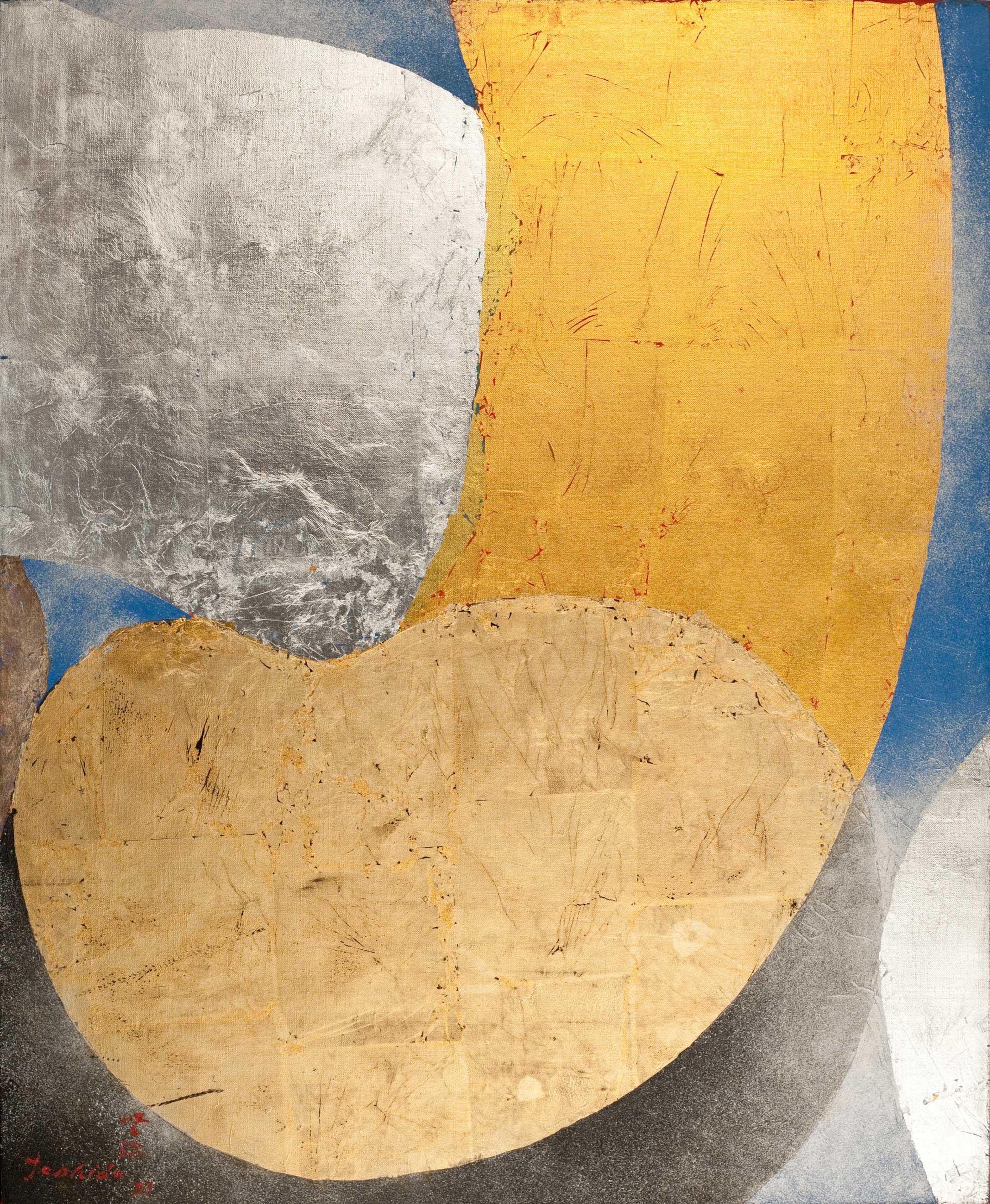
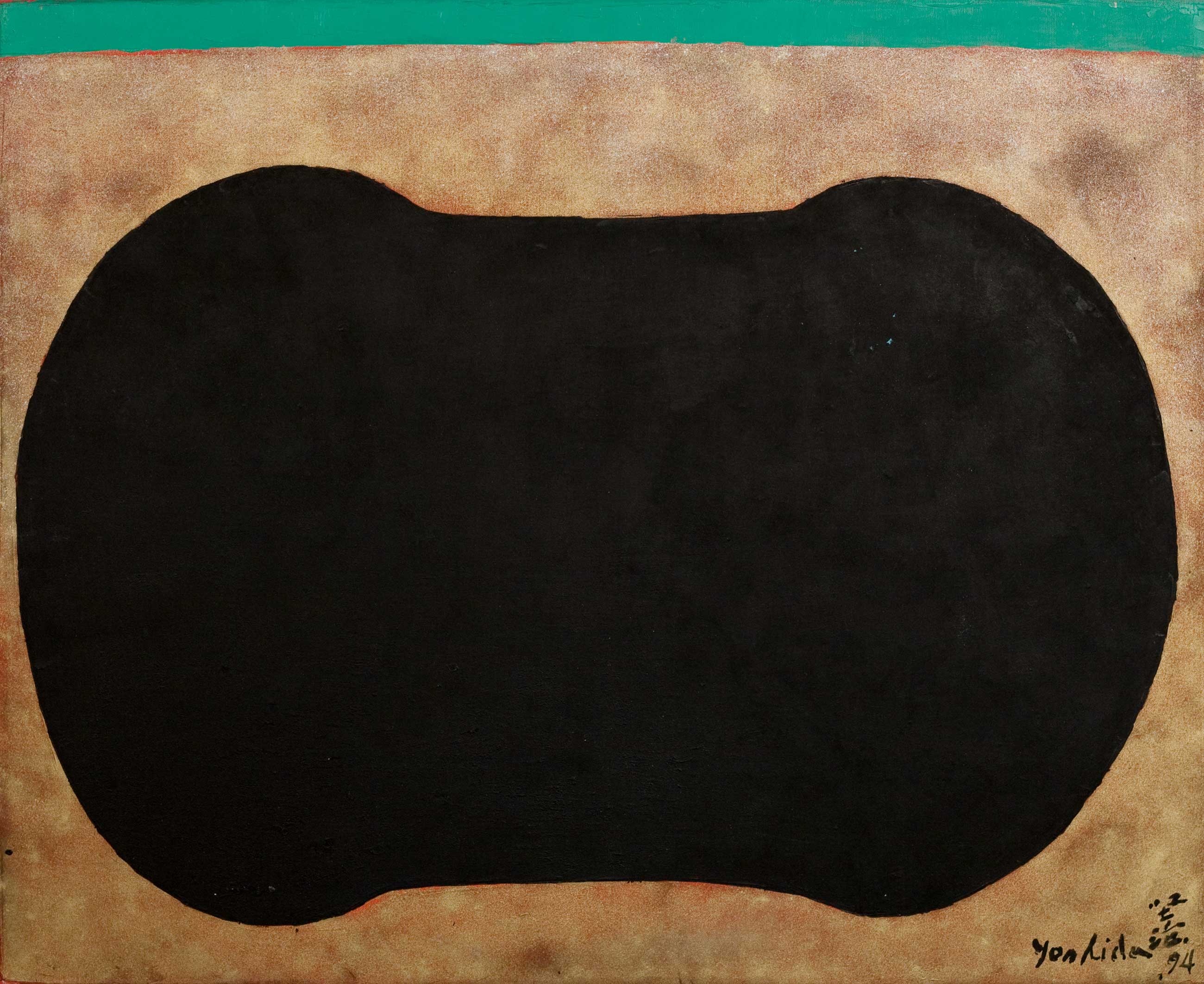
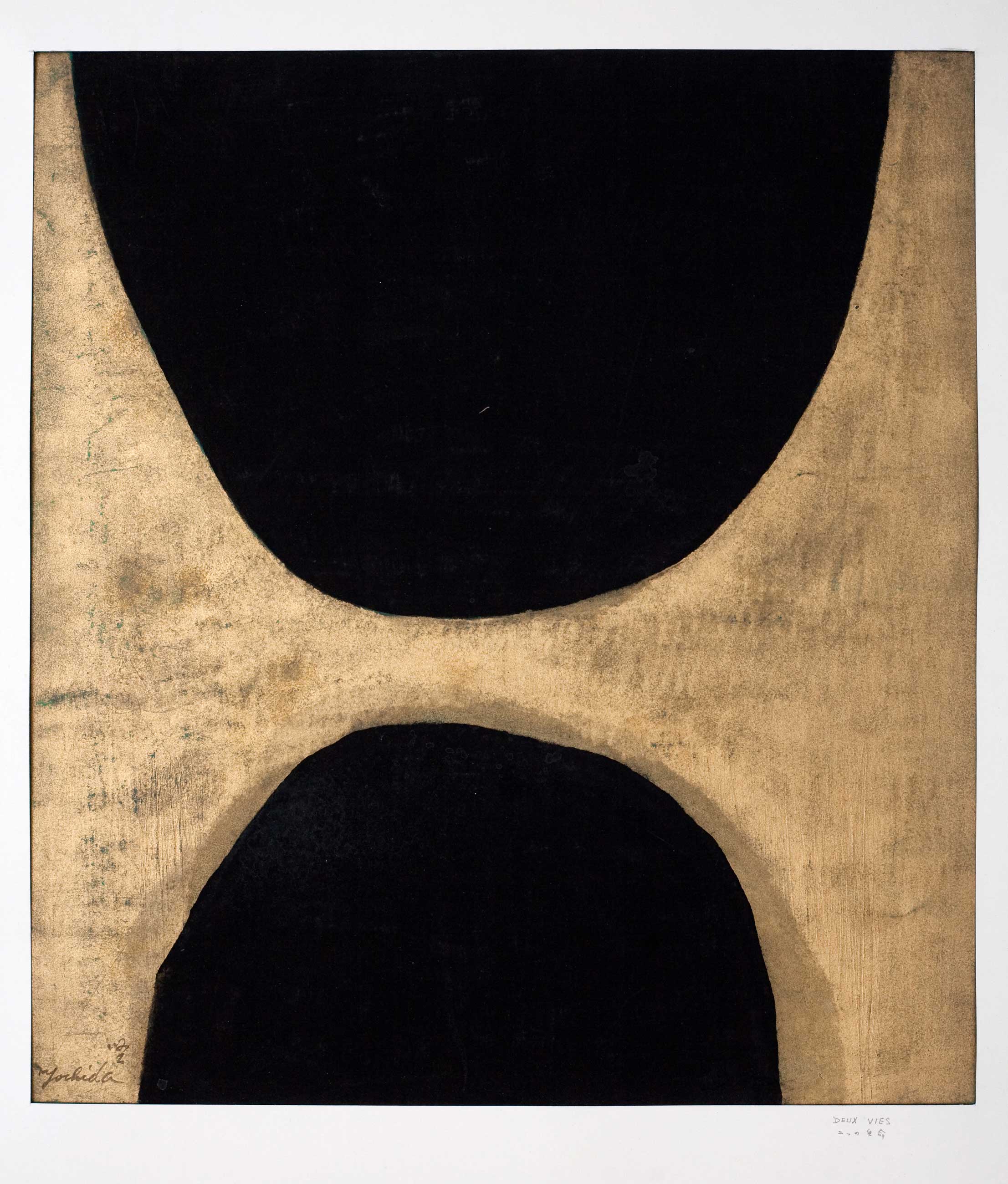
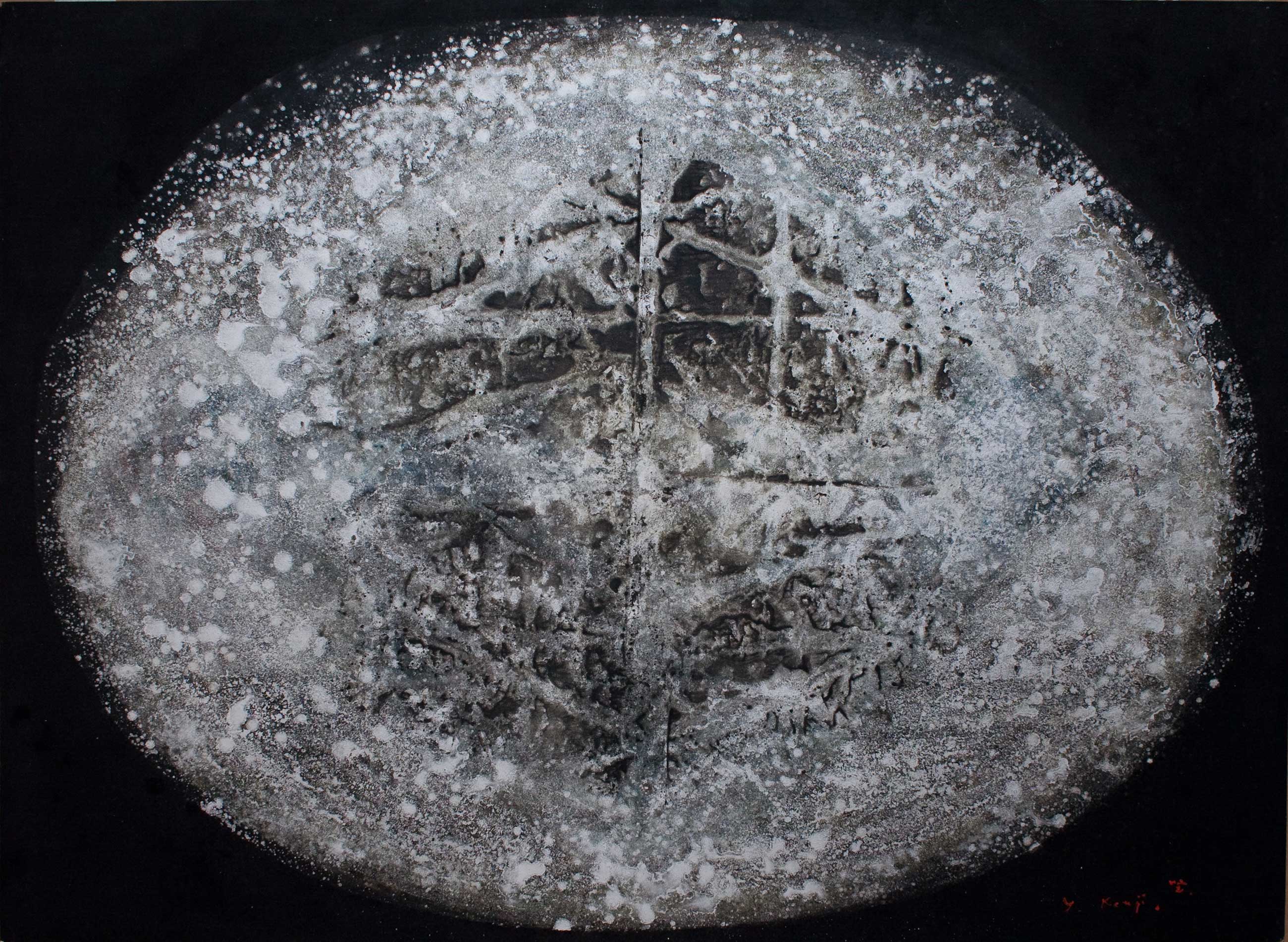
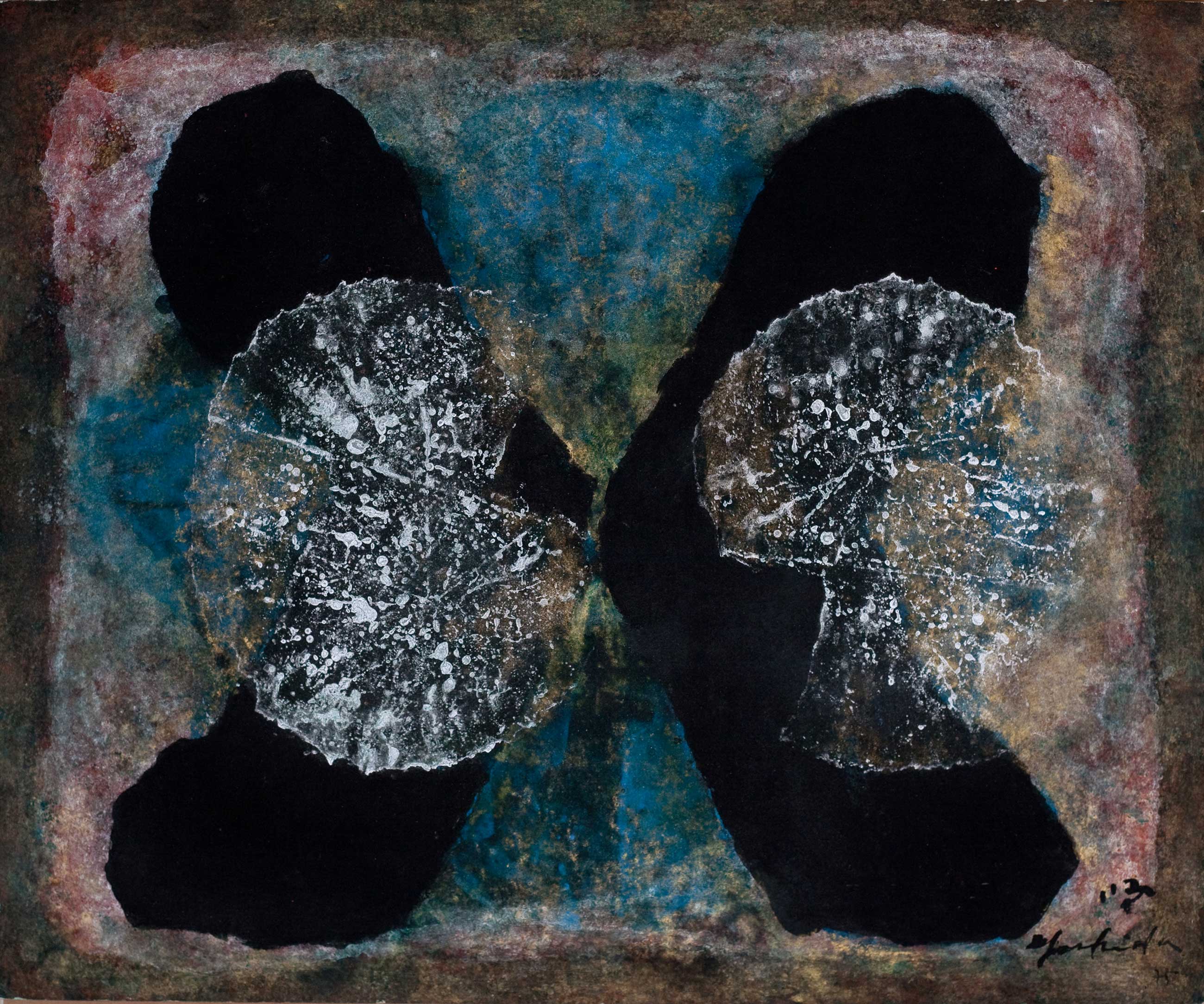
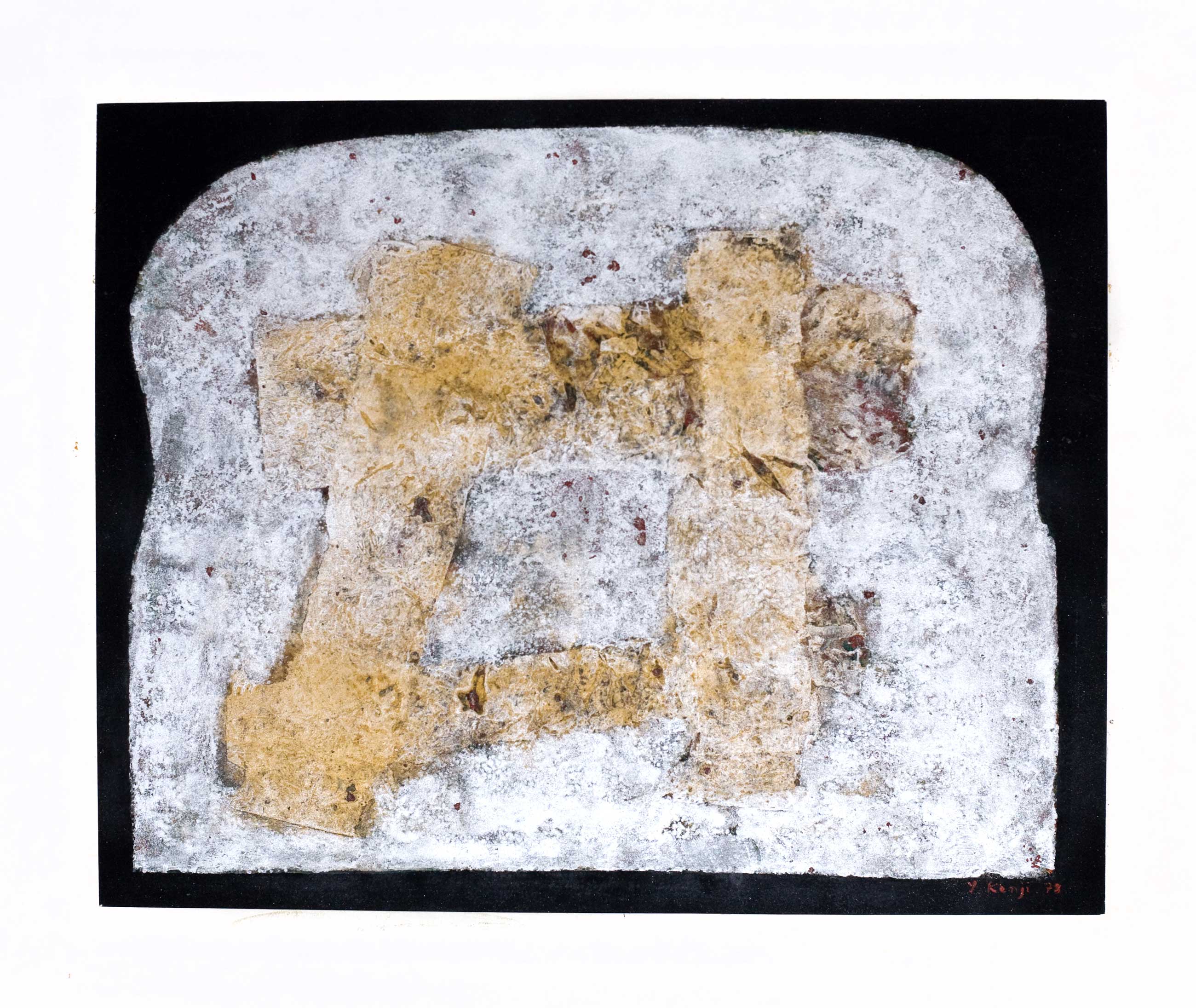
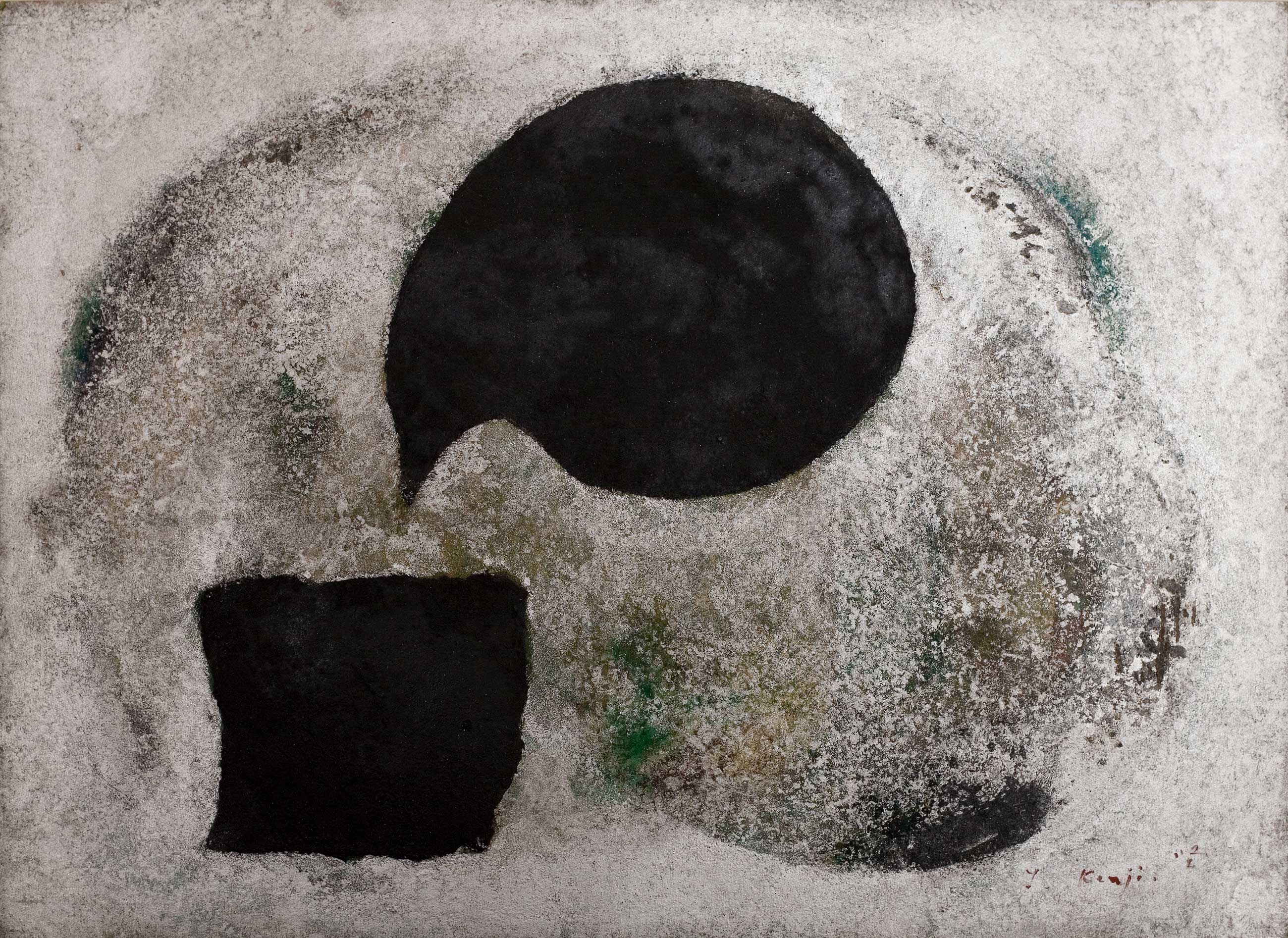
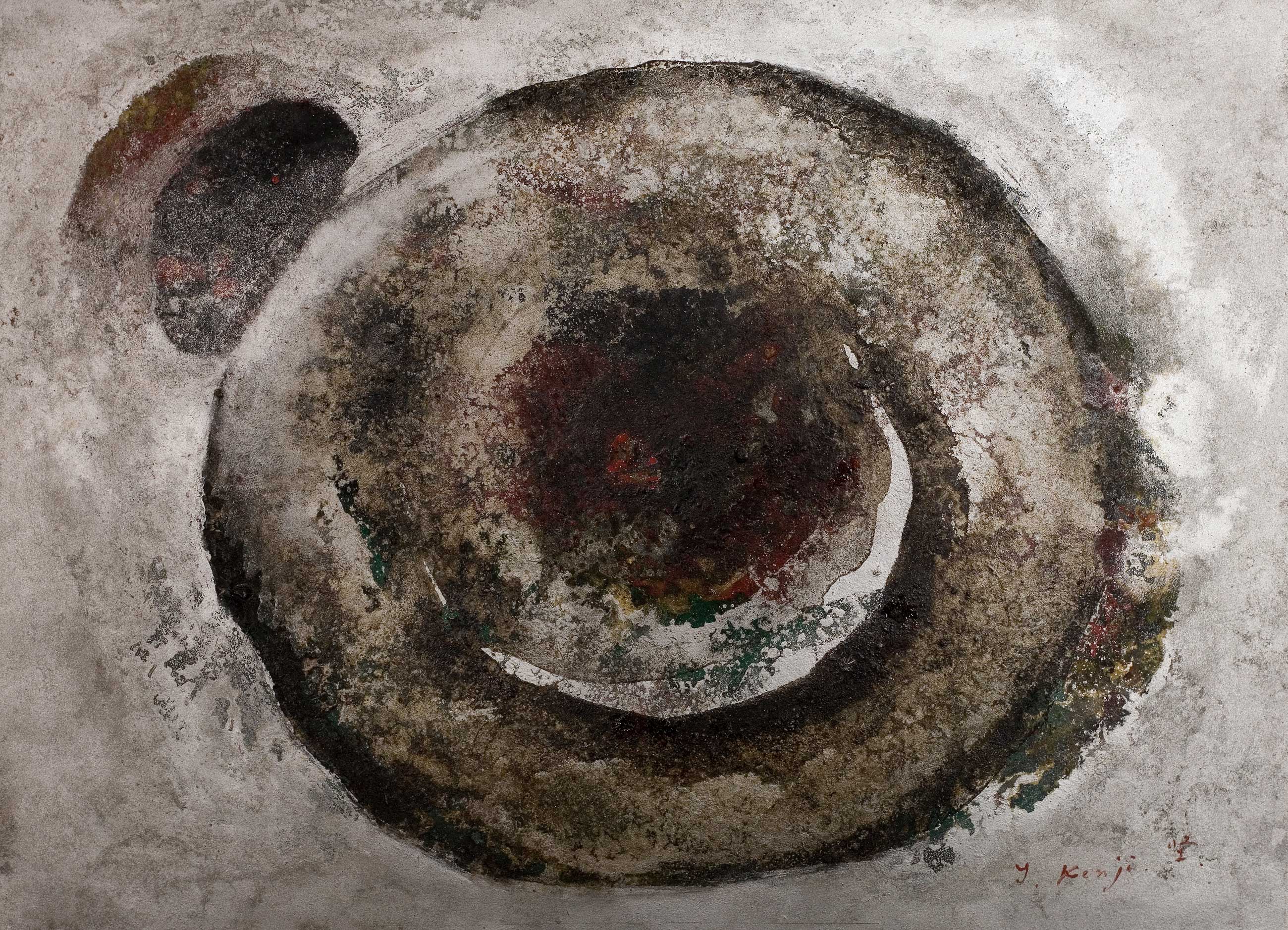
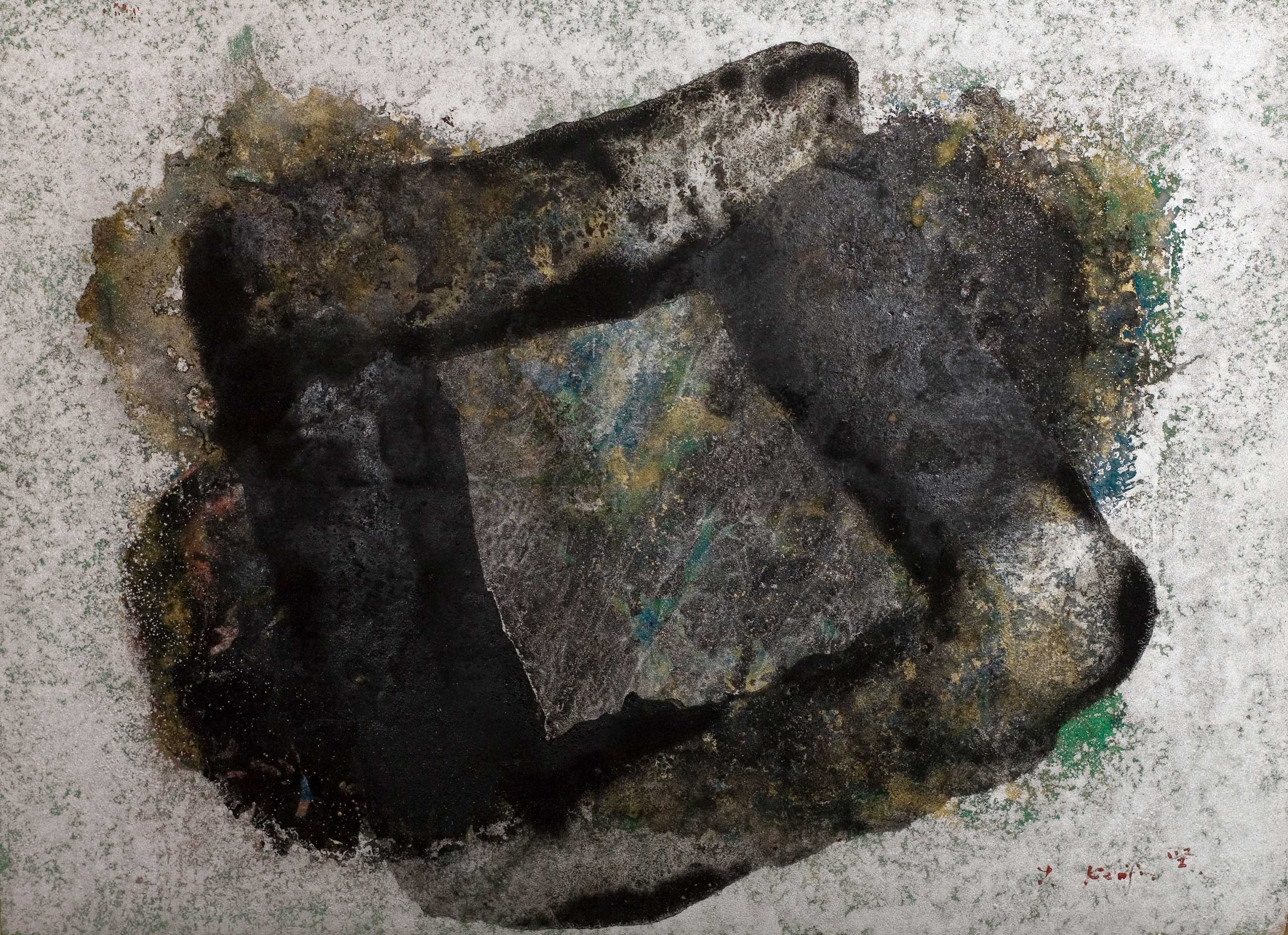
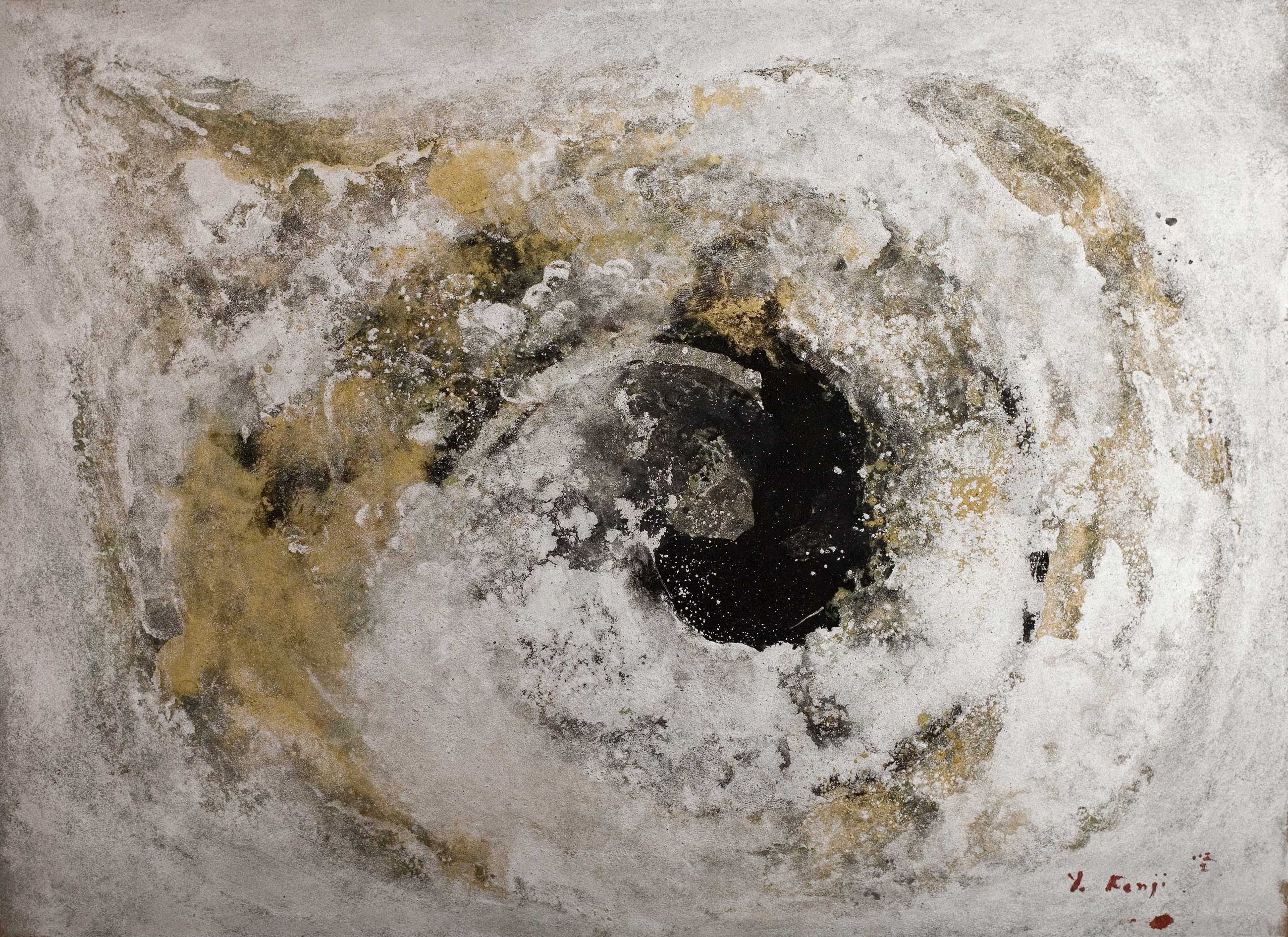
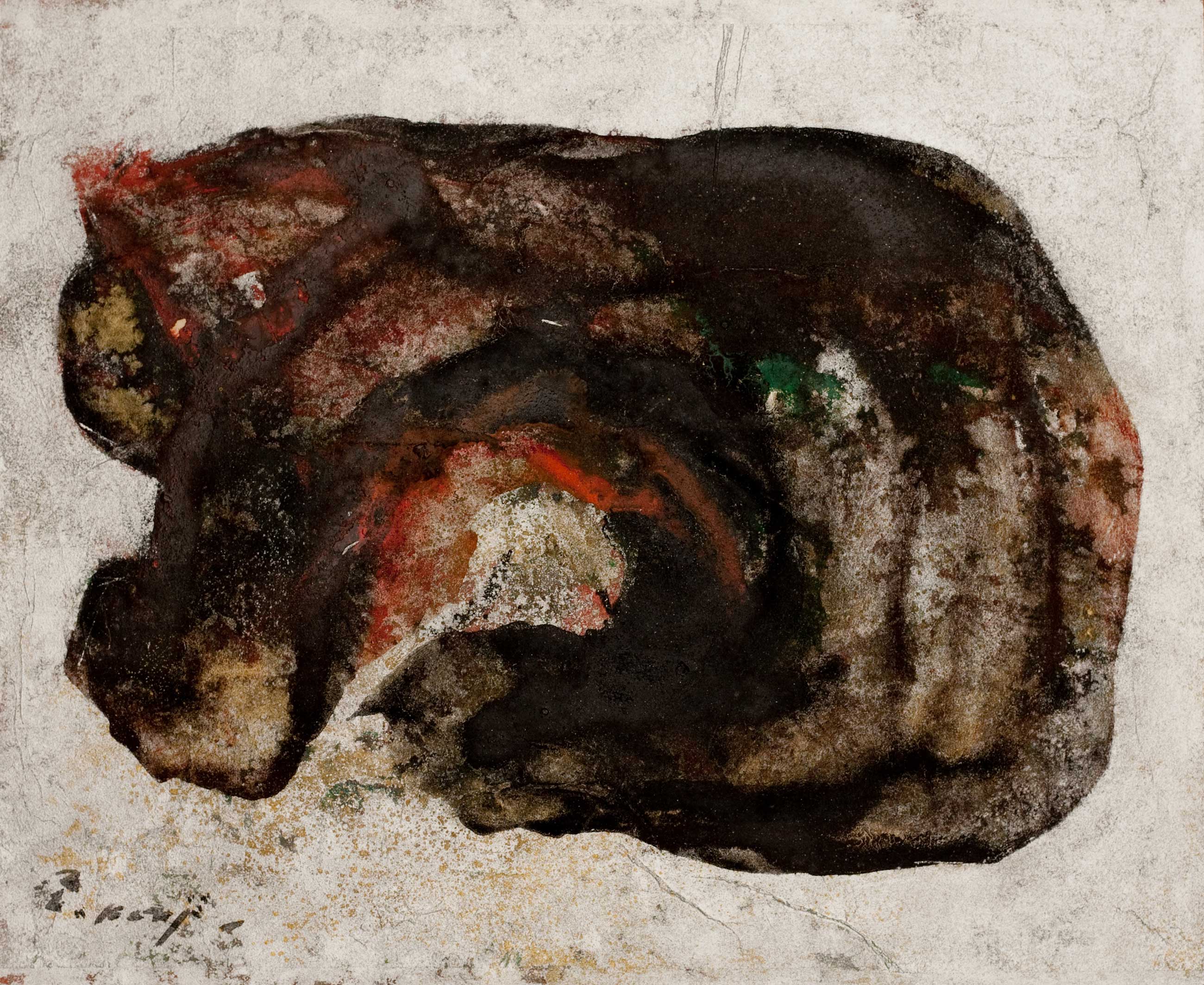
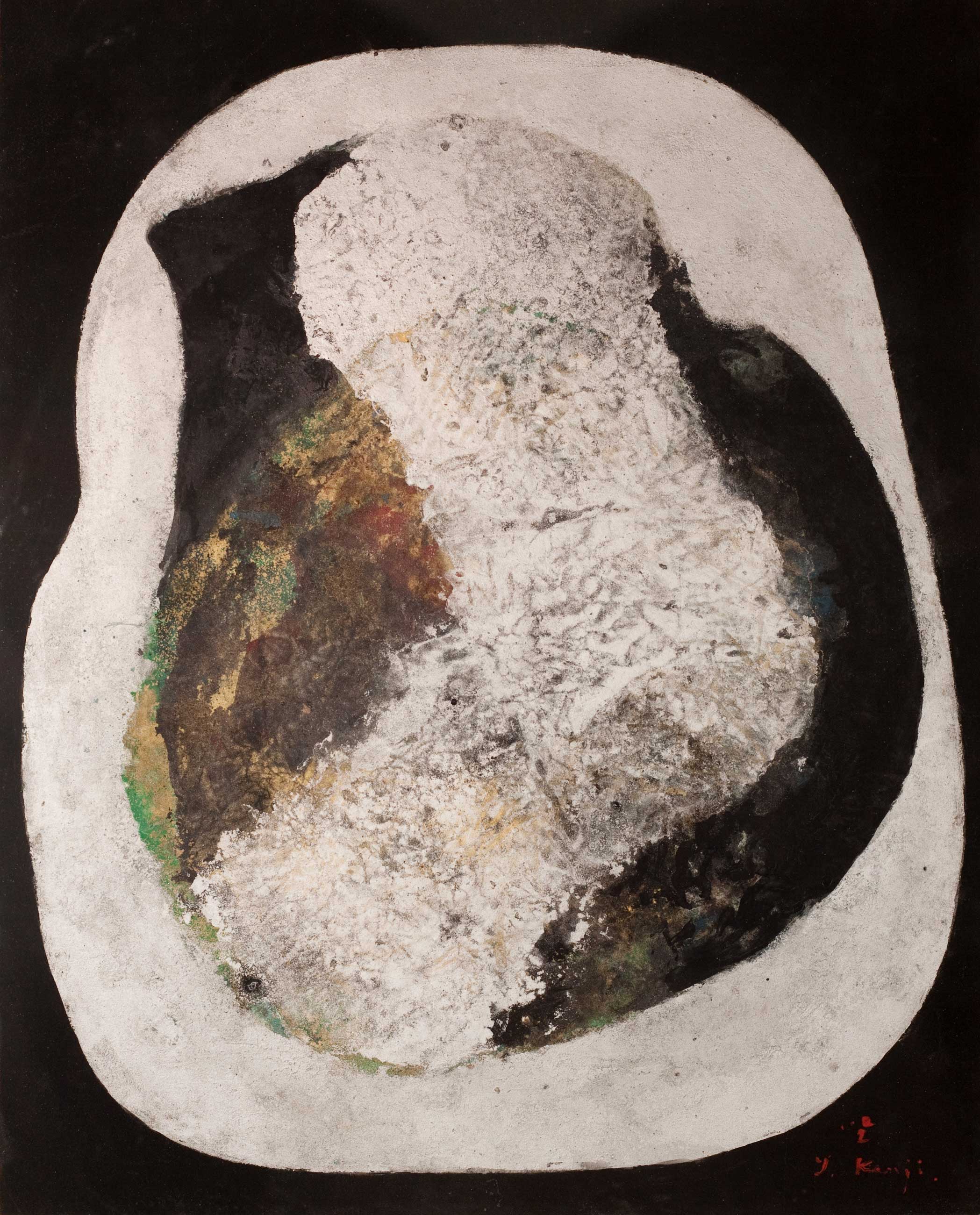
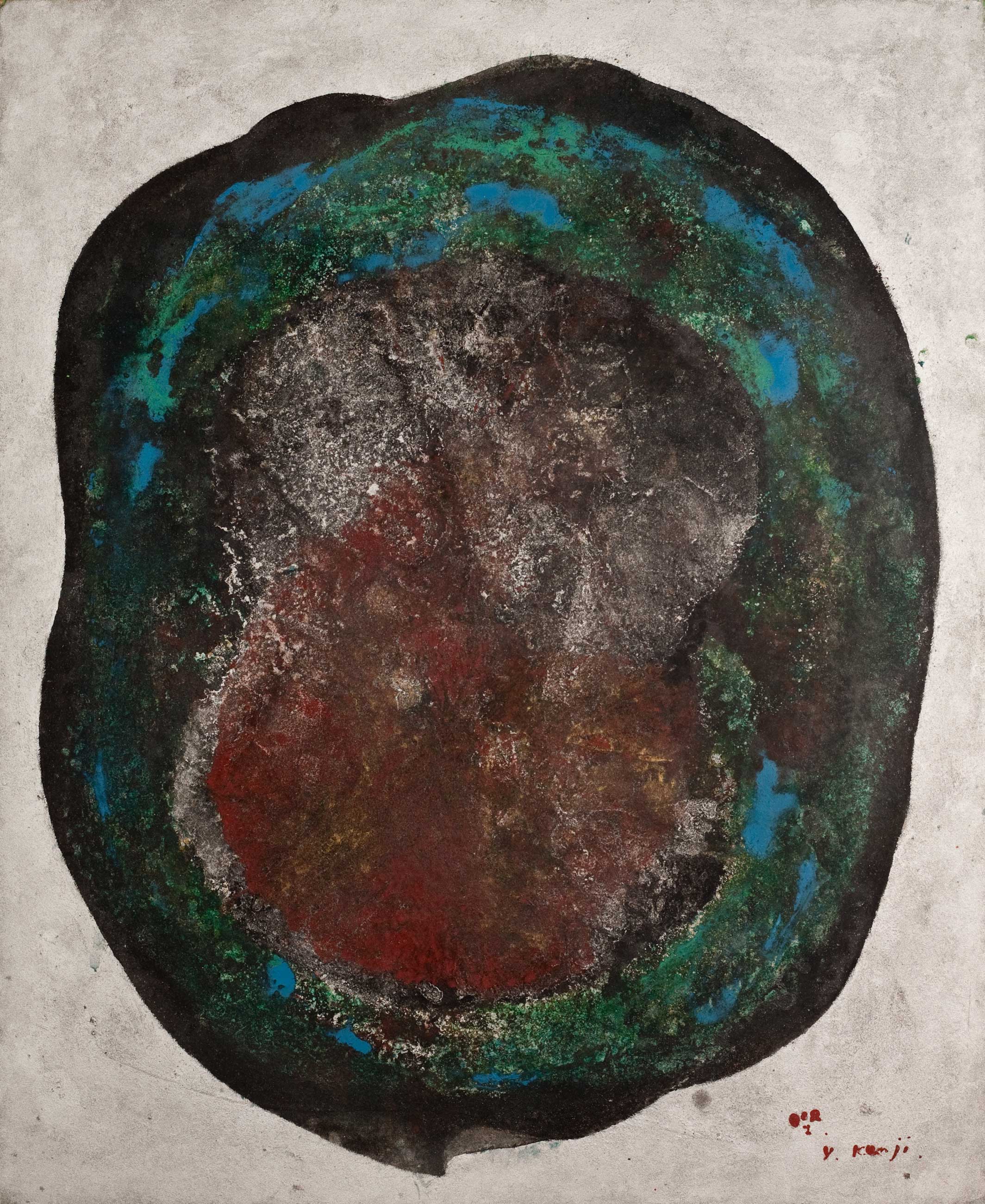
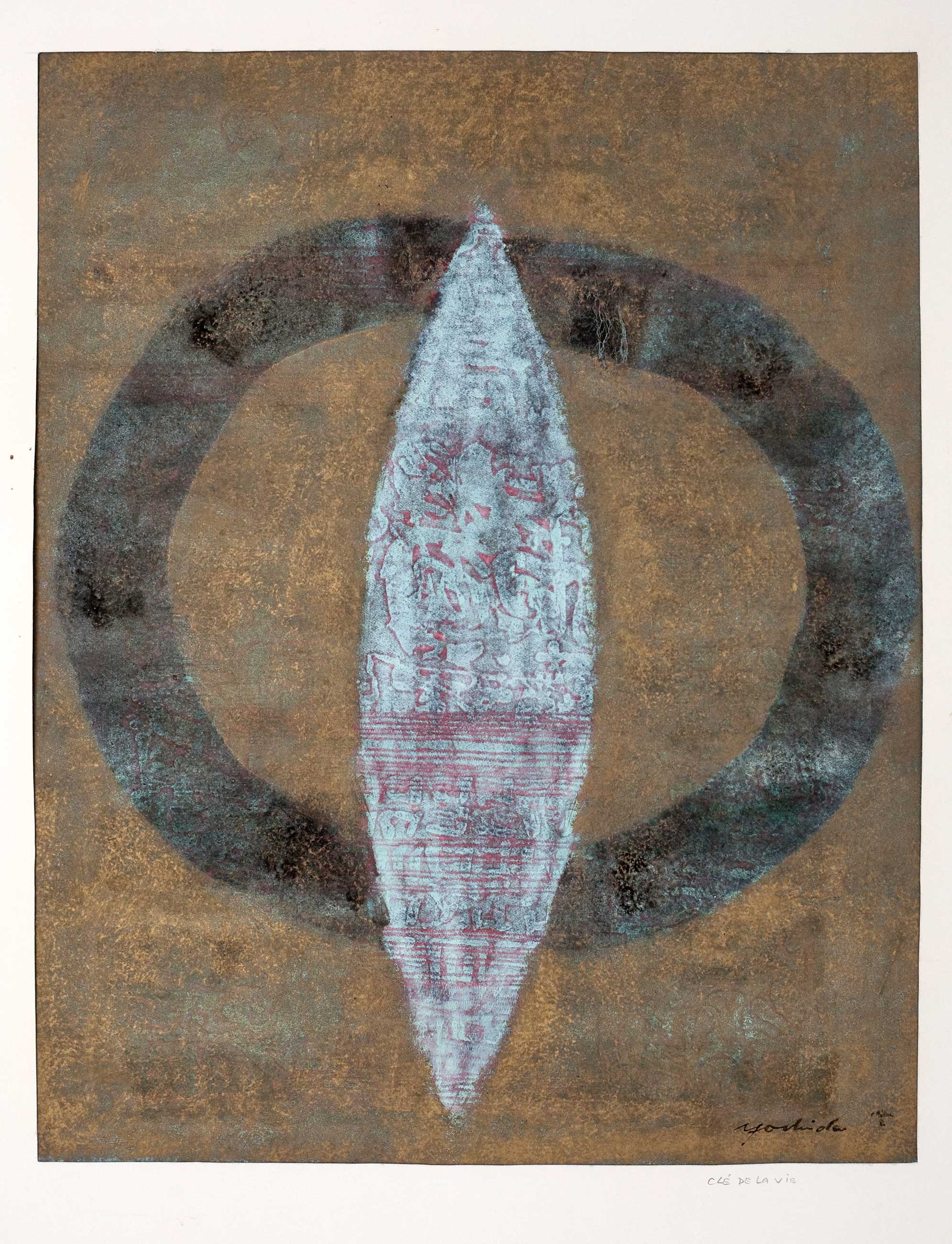
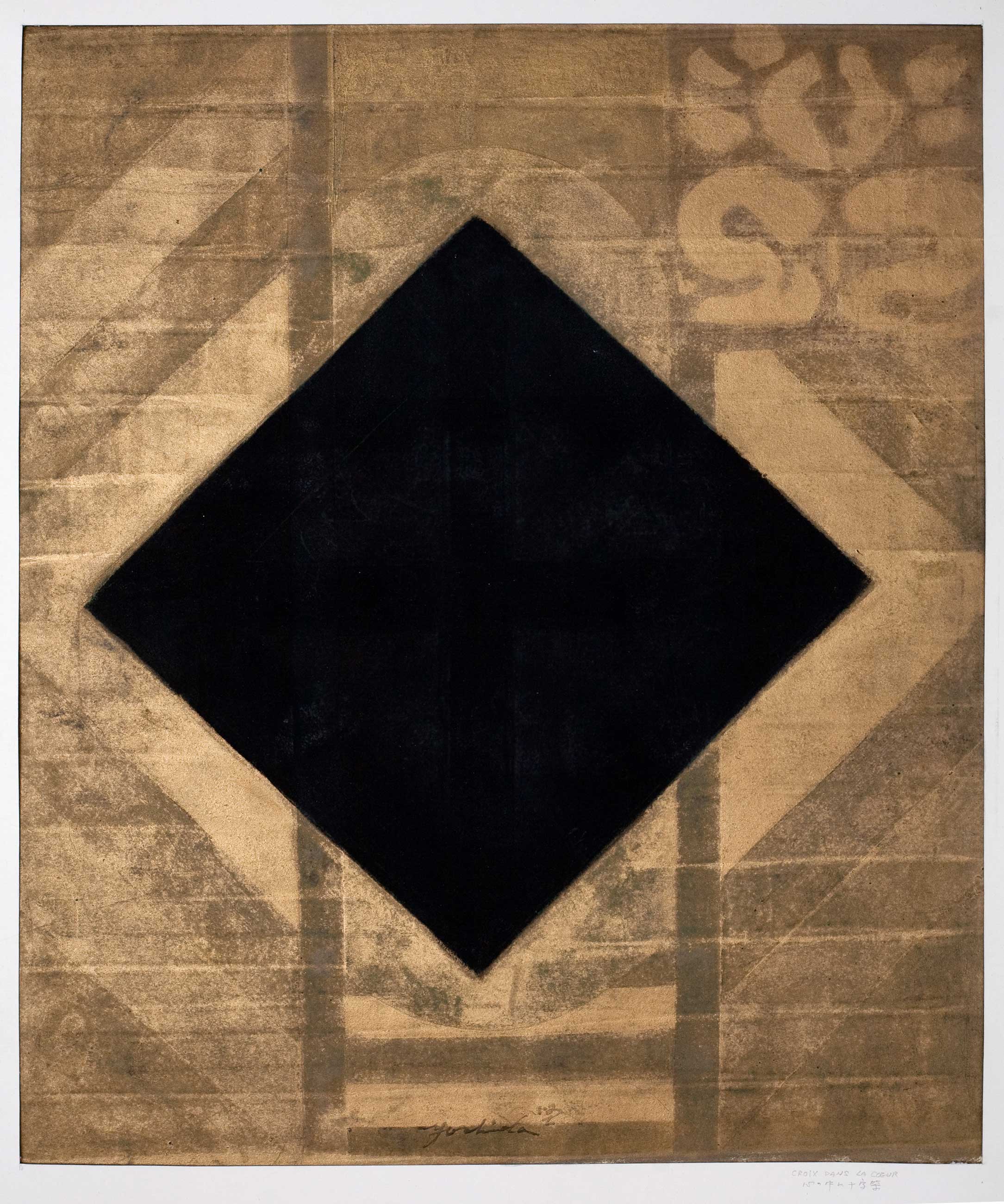
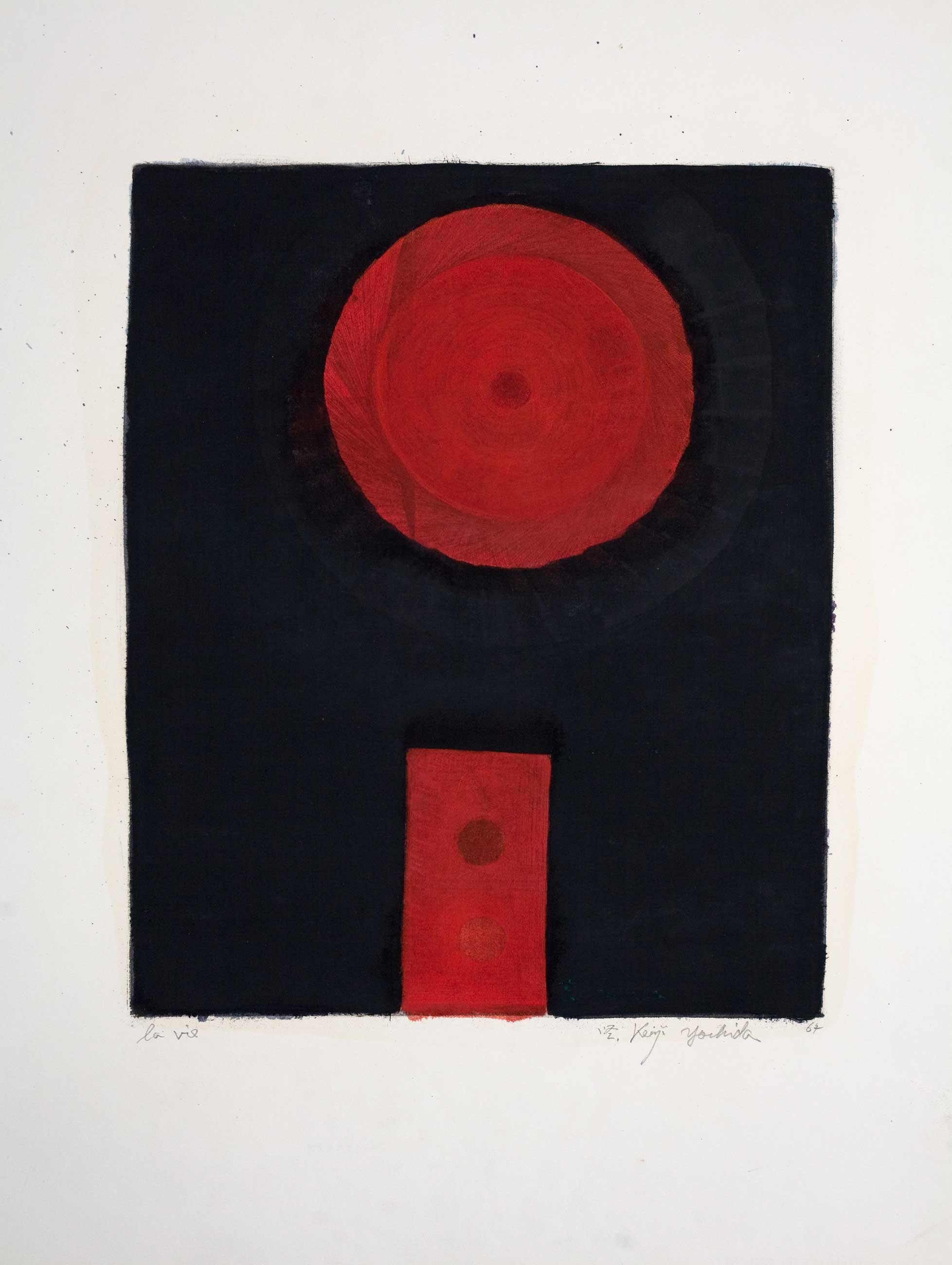
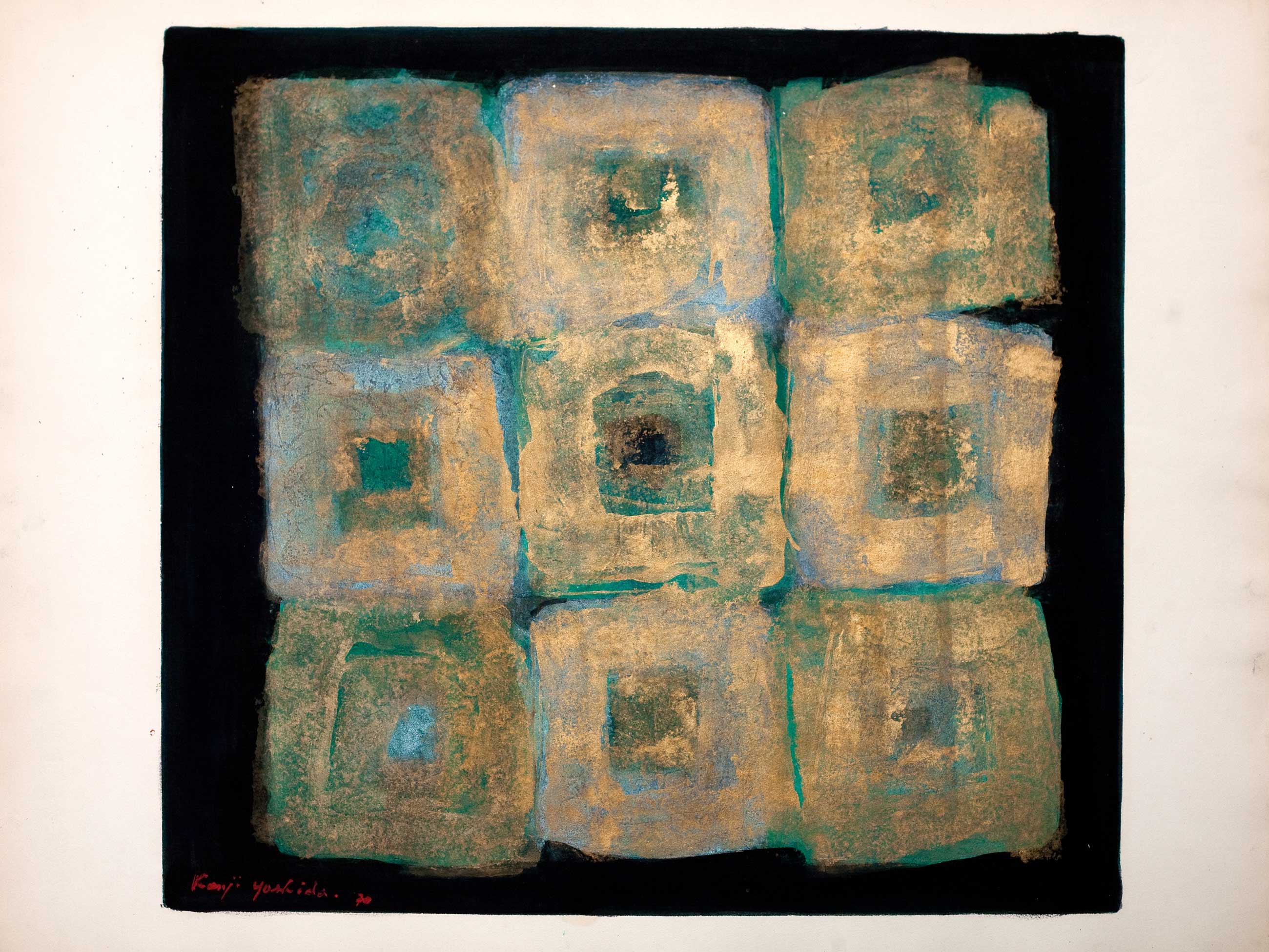
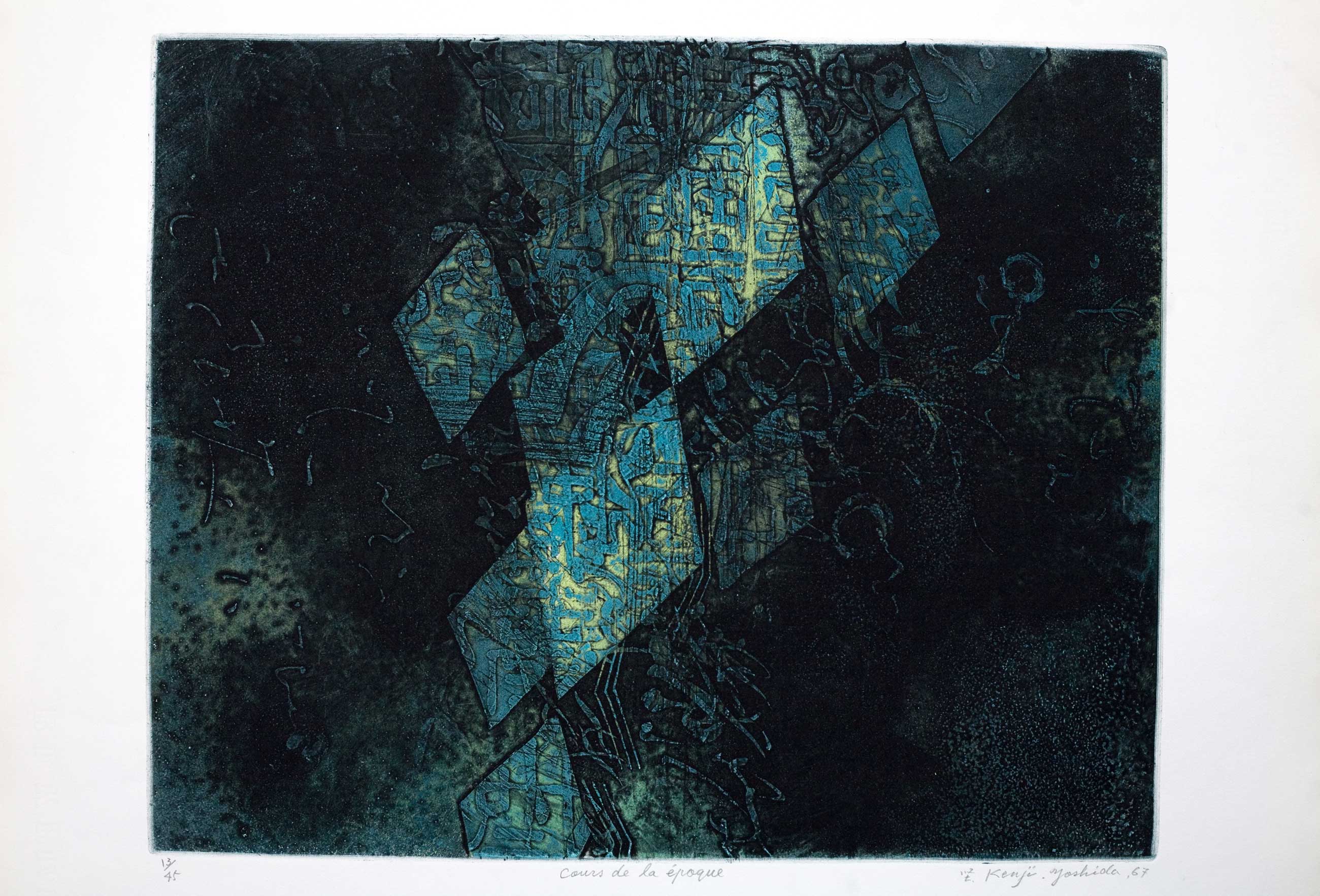
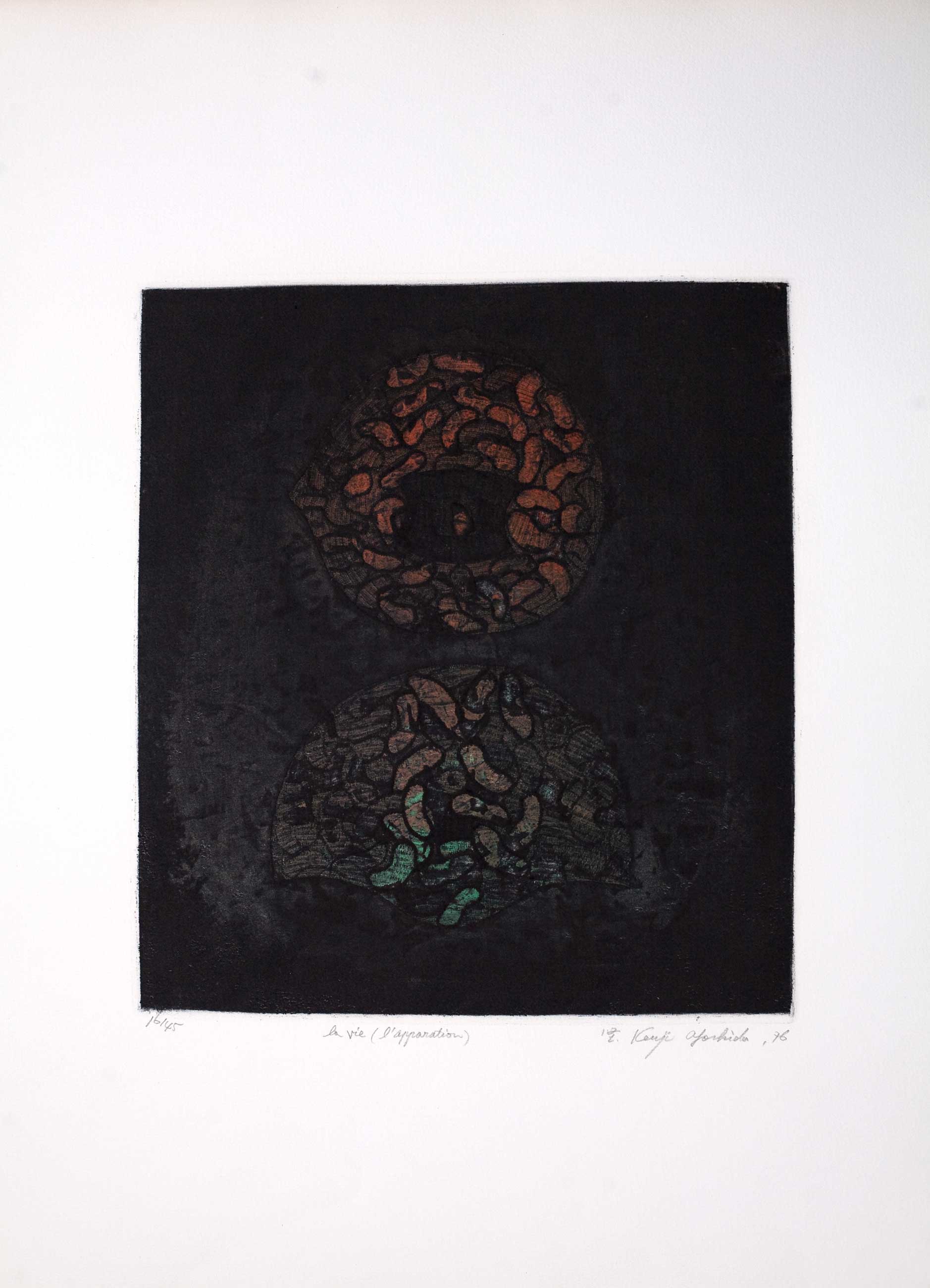
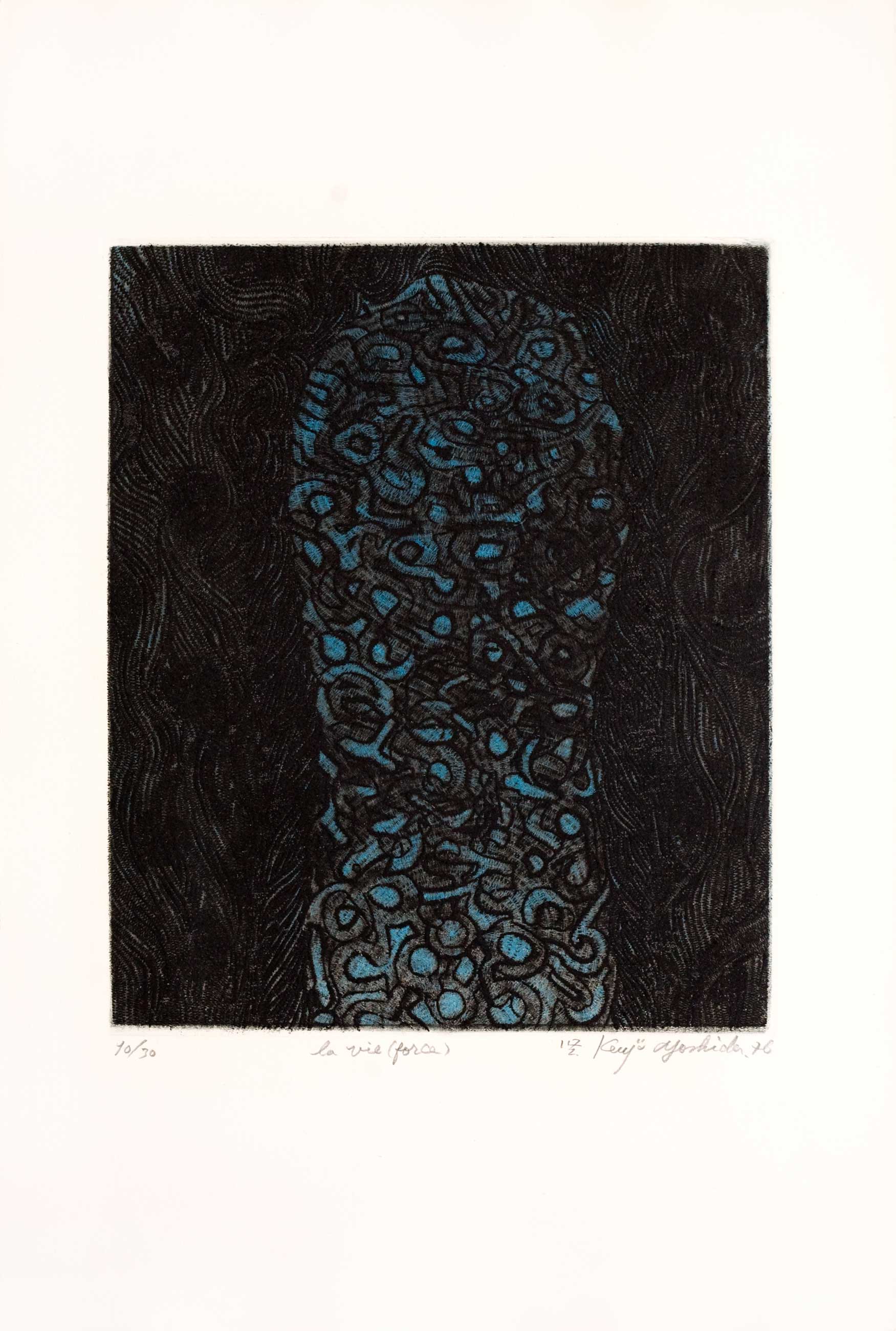
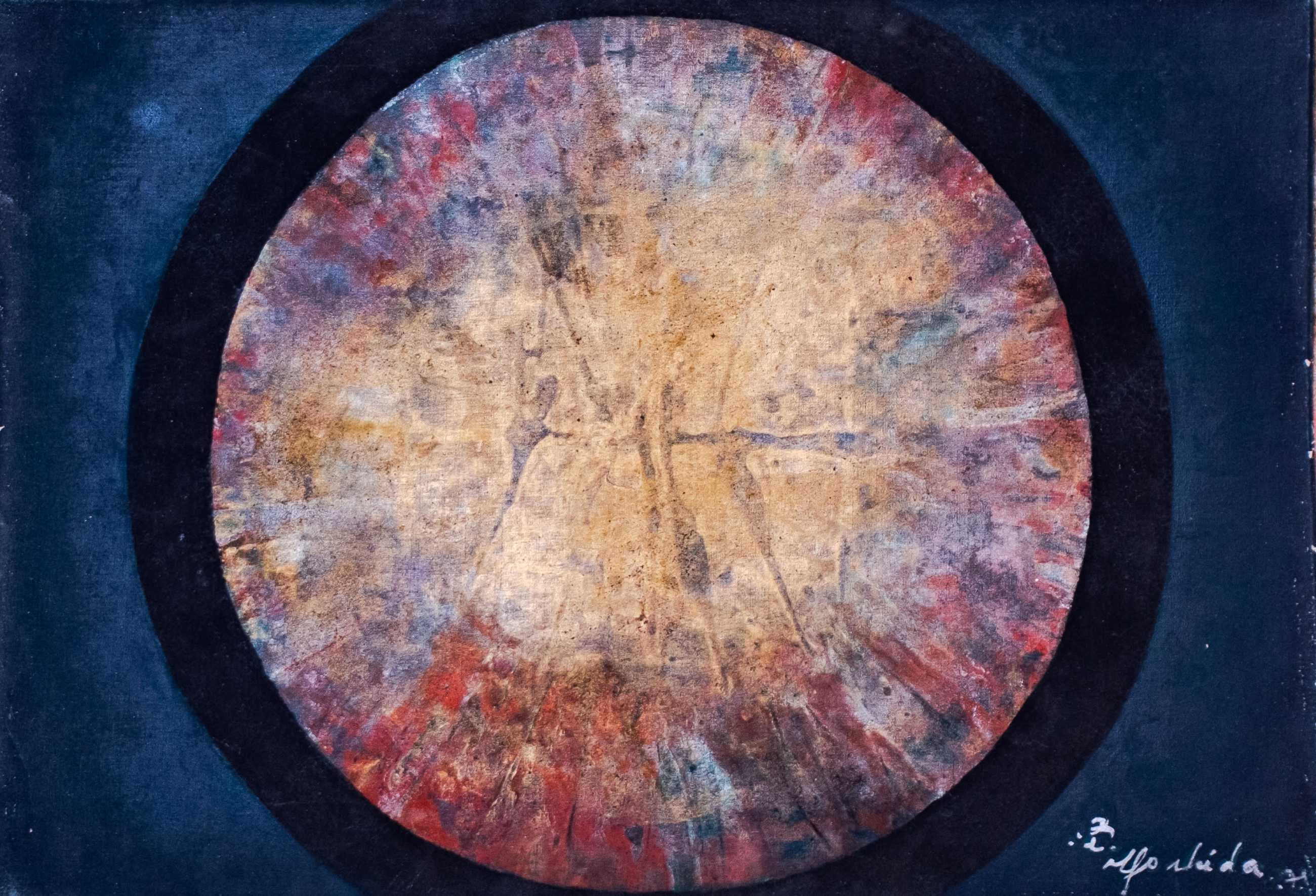
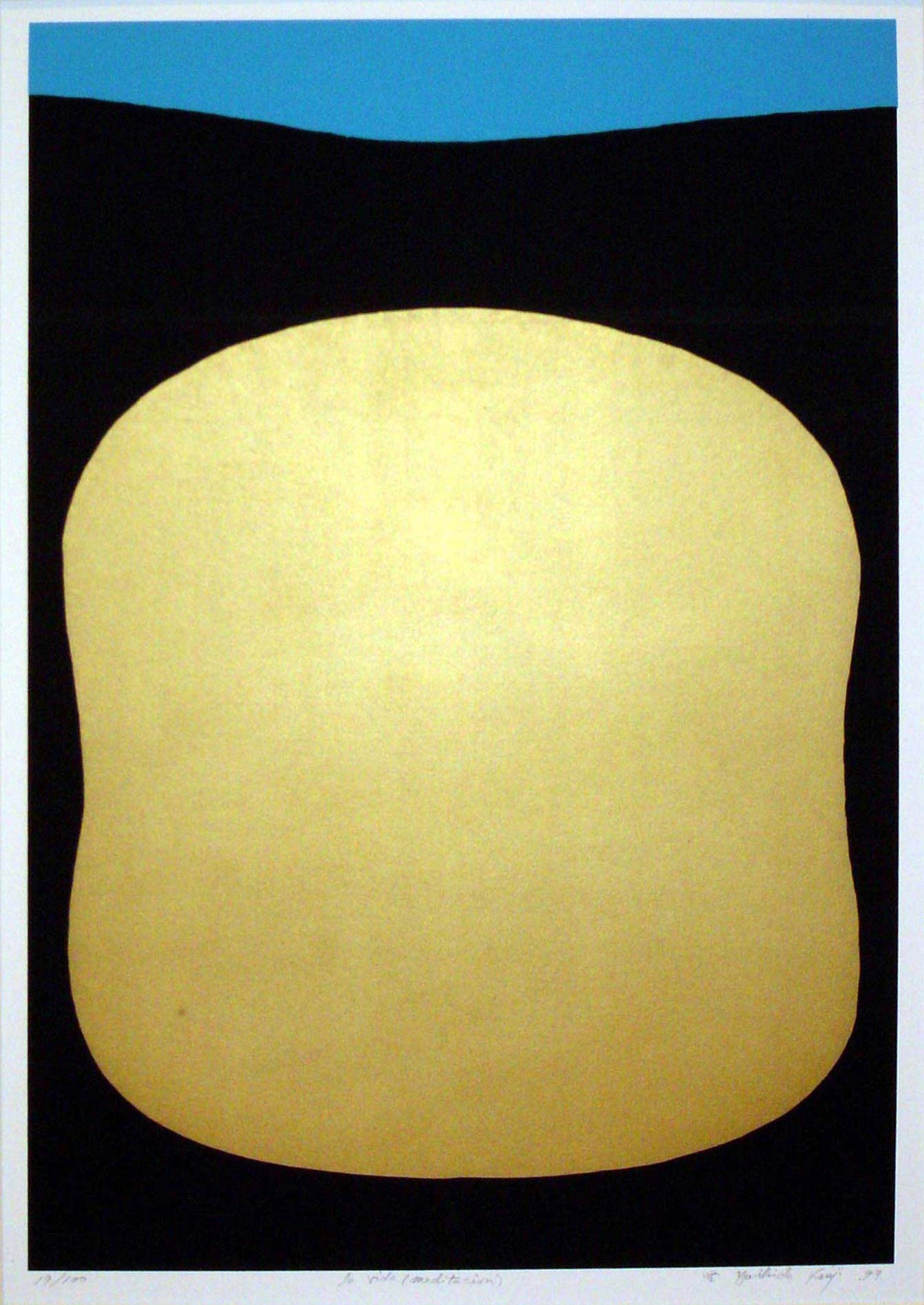
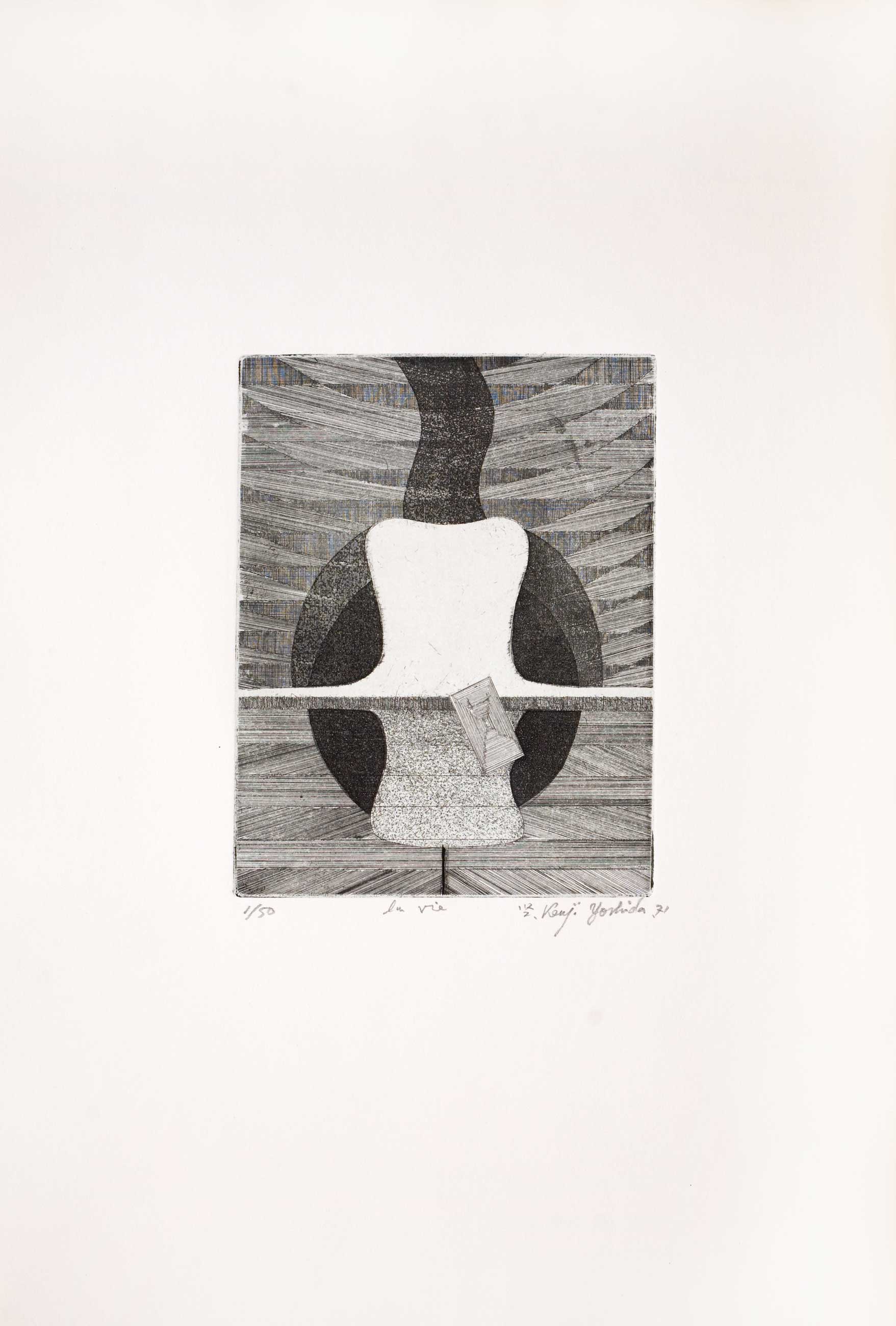
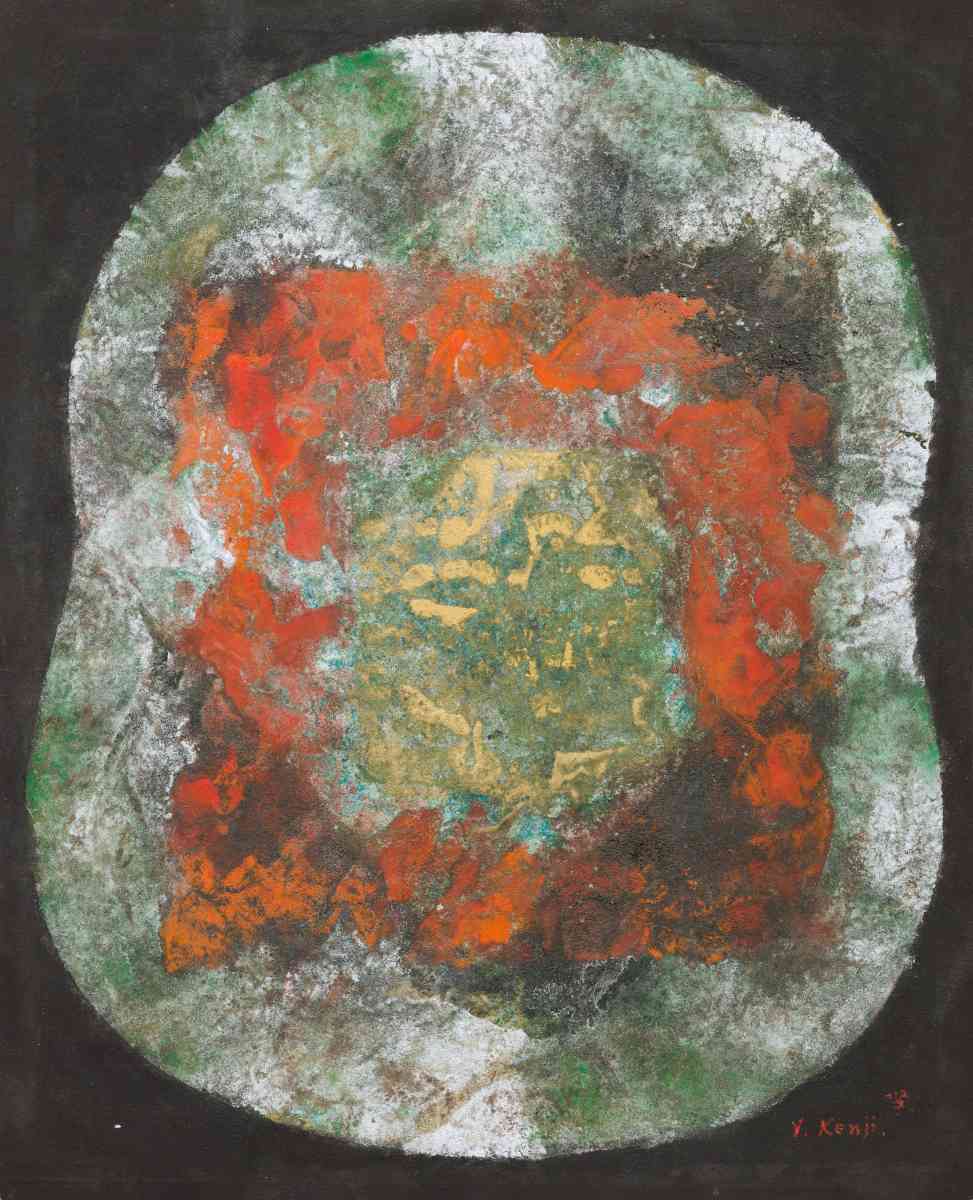
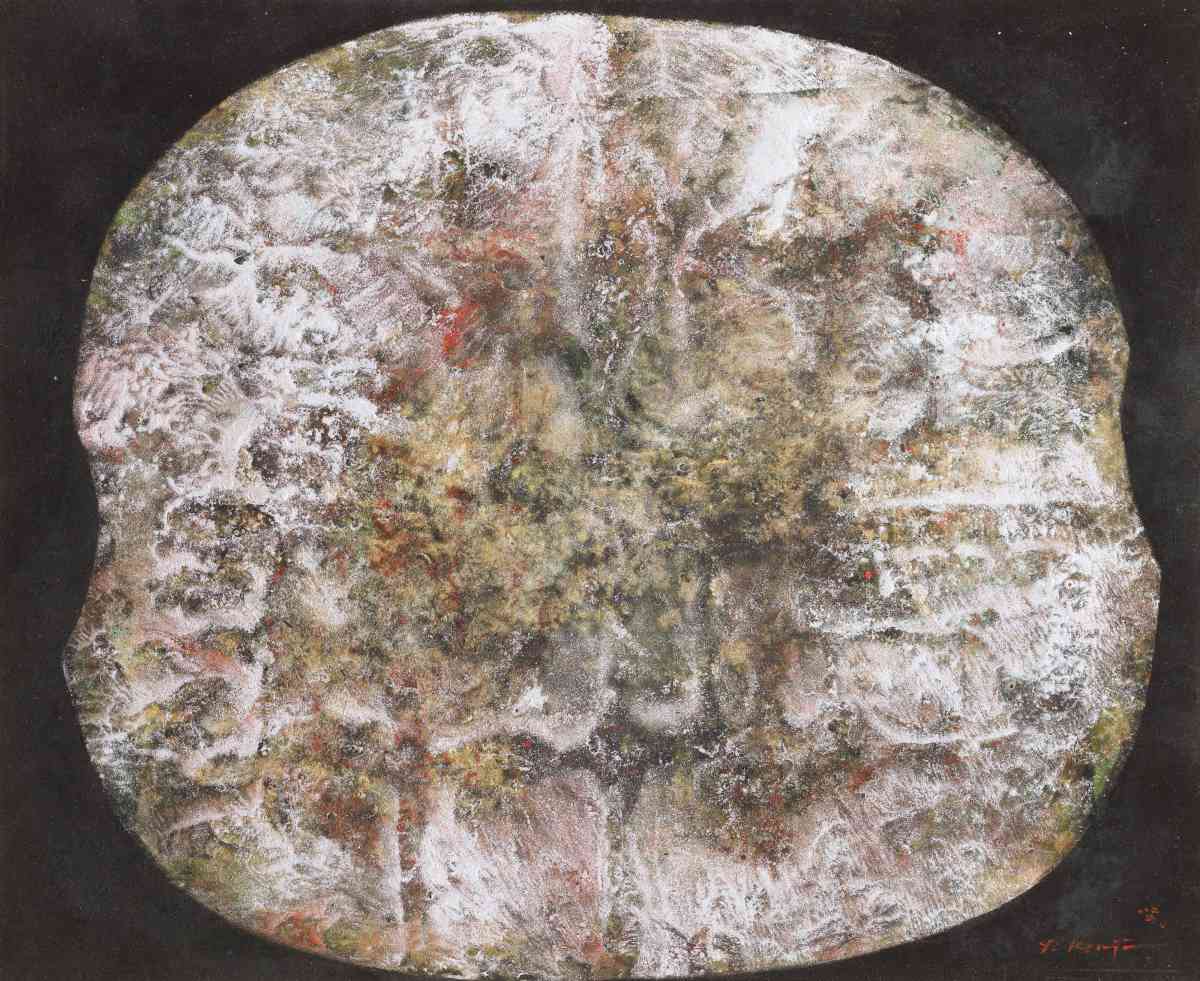
| Born in 1924, Ikeda City, Japan. Died in 2009, Tokyo, Japan. |
| Selected Solo Exhibitions |
| 2024 |
|
Yoshida, Synergia House, London, UK |
| 2021 |
|
Yoshida Kenji Exhibition, Nokogiriyama Museum of Art, Chiba, Japan |
| 2016 |
|
Yoshida Kenji, Glenn Green Galleries, Santa Fe, New Mexico, USA |
| 2015 |
|
Kenji Yoshida; Infinite Light, October Gallery, London, UK
Yoshida Kenji Exhibition, Miurart Village Art Museum, Ehime, Japan |
| 2013 |
|
Kenji Yoshida; Supreme Beauty, October Gallery, London, UK |
| 2012 |
|
Yoshida Kenji - Prayer, the Brilliance of Life Hatsukaichi Art Gallery, Hiroshima, Japan |
| 2011 |
|
Yoshida Kenji, Painter of Life, Tsurugaoka Hachimangu Shrine, Kanagawa, Japan |
| 2010 |
|
Kenji Yoshida; A Celebration of Life, October Gallery, London, UK |
| 2008 |
|
Vie Et Paix, UNESCO, Paris, France |
| 2007 |
|
Kenji Yoshida: Inochi To Heiwa - Life and Peace, October Gallery, London, UK |
| 2006 |
|
La Vie et la Paix de Yoshida Kenji, Château de Blois, Blois, France |
| 2003 |
|
Life Force - New Works By Kenji Yoshida, October Gallery, London, UK |
| 2003 |
|
La Vie the act of living, Canterbury Cathedral, Canterbury, UK |
| 2002 |
|
La Vie the act of living, Norwich Cathedral, Norwich, UK |
| 2001 |
|
Shinjuku Park Tower Hall, Tokyo, Japan
Unexpected Encounters, Galerie Prisma, Bolzano, Italy |
| 2000 |
|
La Vie the act of living, Christ Church Cathedral Dublin, Dublin, Ireland |
| 1998 |
|
Museo de Aguascalientes, Aguascalientes, Mexico |
| 1998 |
|
Museo de Arte Contemporáneo Atenco de Yucatán, Mexico |
| 1997 |
|
Museo de Arte Moderno, Mexico City, Mexico |
| 1993 |
|
The British Museum, London, UK |
| 1991 |
|
Kenji Yoshida: Recent and Selected Works, October Gallery, London, United Kingdom
Glenn Green Galleries, Santa Fe, New Mexico, USA |
| 1989 |
|
Kenji Yoshida: Recent Work, October Gallery, London, UK
Château Sonderborg, Sonderborg, Denmark |
| 1983 |
|
Art-Houre Gallery, Tokyo, Japan |
| 1984 |
|
Galerie Galise, Thonon, France |
| 1982 |
|
L'Ecole de France, Geneva, Switzerland |
| 1979 |
|
Galerie Aujourd’hui, Geneva, Switzerland |
| 1977 |
|
Galerie Point W., Gaillard, France |
| 1977 |
|
Galerie L’Estampille, Brussels, Belgium |
| 1976 |
|
Fujiyoshi Gallery, Tokyo, Japan |
| 1974 |
|
Modern-Art Galerie, Vienna, Austria |
| 1973 |
|
Seibu Gallery, Tokyo, Japan |
| 1972 |
|
Neue Galerie der Stadt Linz, Linz, Austria |
| 1968 |
|
The Tikotin Museum of Japanese Art, Haifa, Israel |
| 1966 |
|
Hammarlund Kunsthandel, Oslo, Norway |
| 1964 |
|
Takekawa Gallery, Tokyo, Japan |
| 1960 |
|
Maramatsu Gallery, Tokyo, Japan |
| 1959 |
|
Maramatsu Gallery, Tokyo, Japan |
| 1958 |
|
Maramatsu Gallery, Tokyo, Japan |
| 1957 |
|
Maramatsu Gallery, Tokyo, Japan
|
| Selected Group Exhibitions |
| 2024 |
|
Defrost, Honey and Smoke, London, with October Gallery, London UK
Vital Force, October Gallery, London, UK
|
| 2022 |
|
Expanding Horizons, October Gallery, London UK |
| 2021 |
|
Painting Unbound: Artists of the Transvangarde, October Gallery, London, UK |
| 2019 |
|
Dream No Small Dream: Celebrating 40 Years of the Transvangarde, October Gallery, London, UK |
| 2017 |
|
Transvangarde 2017, October Gallery, London, UK |
| 2016 |
|
Art16, London, with October Gallery, London, UK |
| 2014 |
|
35 Years of Transvangarde, October Gallery, London, UK |
| 2013 |
|
Masters of the Transvangarde, October Gallery, London, UK
The World of Extraordinary Objects, October Gallery, London, UK
Present Moment, October Gallery, London, UK |
| 2012 |
|
Masters of the Transvangarde, October Gallery, London, UK |
| 2011 |
|
Transvangarde Now, October Gallery, London, UK |
| 2009 |
|
Transvangarde, October Gallery, London, UK |
| Selected Collections |
| Bibliothèque Nationale, Paris, France |
| Bibliothèque Royale, Brussels, Belgium |
| Museum of Modern Art, Skopje, Republic of Macedonia |
| Museu de Arte Contemporânea, São Paulo, Brazil |
| Modern Art Museum, Norrköping, Sweden |
| American Artists Association, New York, USA |
|
Ministry of Culture, Paris, France |
| Musée d’art moderne, Haifa, Israel |
| The Tikotin Museum of Japanese Art, Haifa, Israel |
| Gerber Foundation, California, USA |
| The Royal Collection of Denmark |
|
The British Museum, London, UK |
|
Museo de Arte abstraccion de Zacatecas, Mexico |